





The Century of Solitude: America’s Growing Loneliness Epidemic
People are struggling — 1 in 5 adults in the United States reported feeling loneliness “a lot of the day yesterday,” according to Gallup data reported last week.
Researchers have coined the term “century of solitude” to describe the current phenomenon in which individuals prioritize solo time. But whether it’s intentional or not, the fact remains that people are on their own more often.
Loneliness was classified as an epidemic by former US Surgeon General Dr. Vivek Murthy in 2023, and it impacts some groups of people more than others.
Side effects: Humans rely on one another for survival. Social connection is as essential to humanity as food, water or shelter, according to Murthy. Loneliness and isolation are linked to higher risks of heart disease, stroke, diabetes, addiction, dementia, self-harm and suicide.
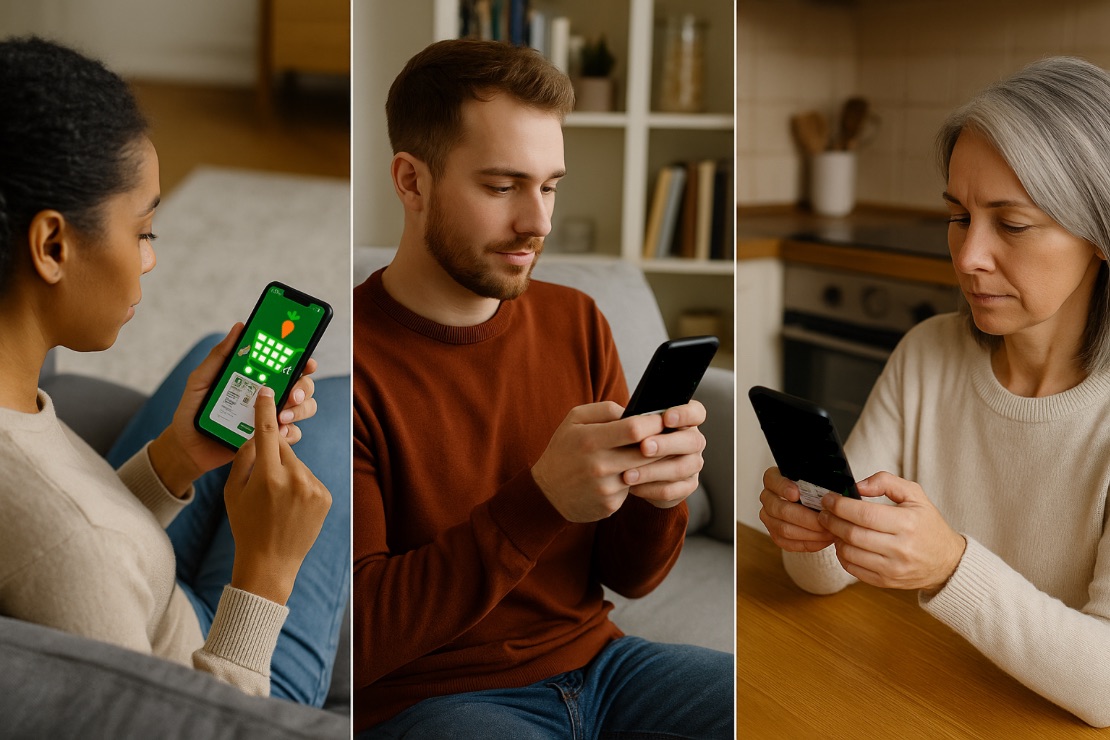
Tech takeover: With the rise of social media and artificial intelligence, some are opting for digital interaction over connections with other people. Young people are developing unhealthy connections with celebrities. An expert explains why teens are so stressed.
‘Crisis of connection’: Dr. Niobe Way, a professor of developmental psychology at New York University, said that as boys get older, they often disconnect from and stop using their emotional intelligence because “boy culture” does not support those skills. Less than half of men report being happy with their friendships in adulthood.
Challenges to socializing: Adults have it harder than ever when it comes to making friends. Some cite the “collapse of third places,” while others blame the “culture of convenience” — when certain needs can be met with the push of a few buttons, people interact less.
One possible solution: “Social prescribing” is a health care referral for community activities, not medications. Solutions-focused journalist Julia Hotz said it can improve physical and mental health.
If you or someone you know is struggling with mental health, dial or text 988 for free and confidential support.