





AT A GLANCE
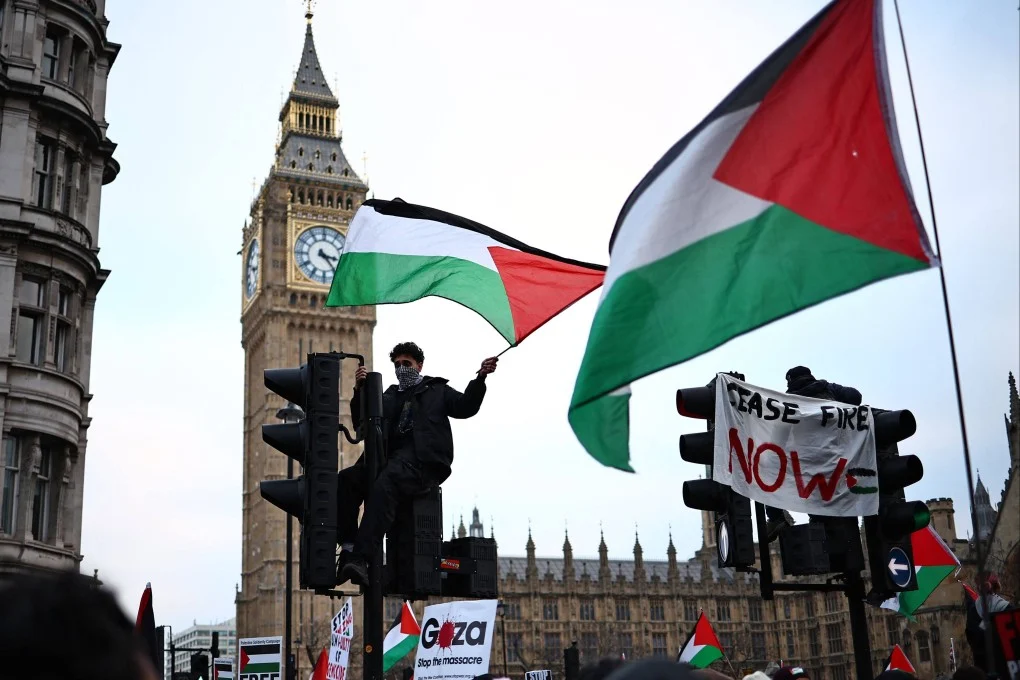
- The UK, Canada, and Australia announced coordinated recognition of Palestinian statehood, breaking with U.S. and Israeli opposition.
- Prime Minister Keir Starmer said the move is about reviving a two-state solution and keeping the hope of peace alive.
- Israel’s Benjamin Netanyahu condemned the recognition as a “prize for Hamas” and vowed there will never be a Palestinian state.
- The decision carries historic symbolism, as Britain’s 1917 Balfour Declaration laid the groundwork for Israel but sidelined Palestinian rights.
- France, Saudi Arabia, and at least 10 other nations are expected to push for further recognition at the UN summit.
UK Joins Australia and Canada in Recognizing Palestinian State Despite Opposition From US and Israel
British Prime Minister Keir Starmer confirmed Sunday that the United Kingdom will formally recognize a Palestinian state, in coordination with Canada and Australia. The decision comes 108 years after Britain issued the Balfour Declaration, which endorsed a Jewish homeland in Palestine while pledging not to harm Palestinian civil and religious rights—rights that Palestinians argue were erased in the decades that followed.
Starmer, under mounting pressure from within his Labour Party to adopt a harder stance on Israel, said recognition is meant to preserve “the last hope of peace.” He emphasized that Hamas would play no role in any future Palestinian governance, calling the militant group’s vision “the opposite of peace.”

Leon Neal, AP
Why Now?
The recognition comes amid Israel’s ongoing war in Gaza, which has left tens of thousands dead, displaced most of the enclave’s population, and prompted accusations of genocide. In the West Bank, settlement expansion continues, with Israeli leaders openly rejecting the idea of a Palestinian state.
“The catastrophic situation in Gaza and the settlement policies in the West Bank have made a two-state solution seem impossible,” said Olivia O’Sullivan of Chatham House. “The UK’s move signals a refusal to let that possibility die.”
Starmer linked the timing to humanitarian concerns, urging the release of hostages and a ceasefire in Gaza. Foreign Secretary Yvette Cooper called the recognition an affirmation of Palestinians’ “inalienable right to self-determination.”
International Momentum
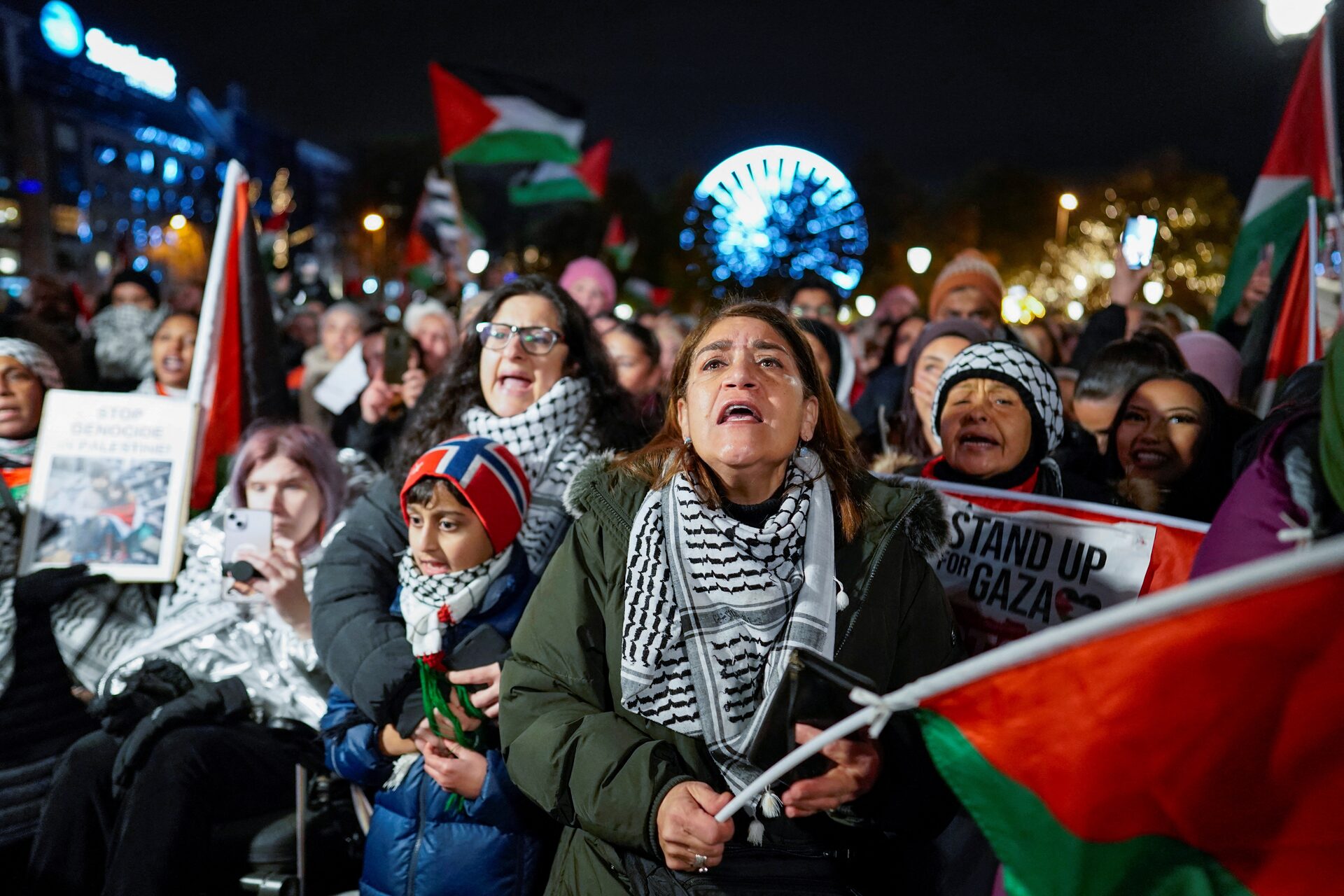
The UK joins over 140 countries that already recognize Palestine, with France expected to announce its recognition at the UN General Assembly. Saudi Arabia will co-host a summit in New York this week to revive peace talks, further isolating Israel and the United States in their opposition.
Palestinian officials hailed the move. Husam Zomlot, Palestine’s mission head in London, called it “a correction of history.” In Ramallah, Palestinian Foreign Minister Varsen Aghabekian Shahin said the recognition was “a message of hope for a sovereign state” and a clear rejection of Israel’s claim to the territories.
Layla Moran, the UK’s first MP of Palestinian descent, told Al Jazeera the recognition was overdue: “It shouldn’t have taken us a genocide to get here.”
Israel Pushes Back
Israel’s Prime Minister Benjamin Netanyahu blasted the announcement, calling it a “massive prize to terror.” He vowed that no Palestinian state would be created west of the Jordan River and promised a “response” after returning from meetings in the U.S.
Far-right ministers in his coalition demanded immediate annexation of the West Bank. National Security Minister Itamar Ben-Gvir said recognition required “action, not words” and pledged to push annexation at the next cabinet meeting. Other hardliners dismissed Palestinian nationhood entirely.
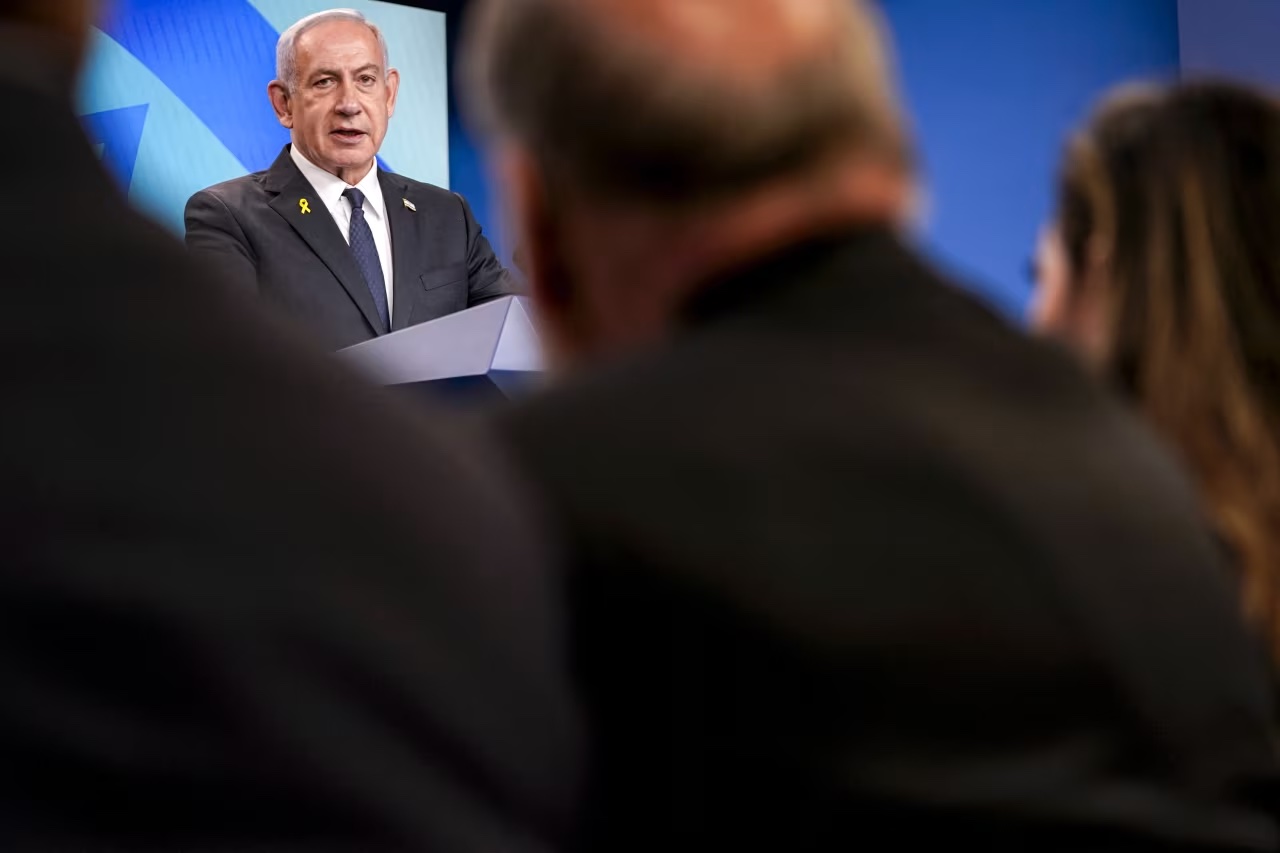
Nathan Howard/Pool via AP
Meanwhile, U.S. President Donald Trump criticized the recognition during his recent state visit to London, framing it as one of his “few disagreements” with Starmer.
The Weight of History
The recognition carries particular resonance given Britain’s colonial legacy in the Middle East. Following World War I, Britain administered Palestine under a League of Nations mandate. Its 1917 Balfour Declaration pledged support for a Jewish homeland while ignoring the aspirations of Palestinians living there.
“The issue today is ending the denial of our existence that started 108 years ago,” said Zomlot. “This recognition is the beginning of correcting those wrongs.”
The move also reflects a shift in London’s longstanding policy. Previous governments insisted recognition should come only as part of a final peace settlement. By acting now, Starmer’s government signaled that waiting for negotiations is futile while the prospect of a two-state solution fades on the ground.
What Happens Next
While recognition is largely symbolic, its diplomatic weight could reshape international dynamics. It underscores a widening rift between U.S. policy—firmly aligned with Israel—and key Western allies like the UK, Canada, and Australia. France’s expected recognition will deepen that divide.
For Palestinians, recognition boosts international legitimacy. For Israel, it may accelerate plans to consolidate control over the West Bank. Analysts warn the recognition could harden positions on both sides, forcing a reckoning over what comes after decades of stalled peace talks.
“This move has symbolic and historic weight,” said O’Sullivan. “But without the United States joining, little will change on the ground.”
Still, for Palestinians and their allies, the decision marks a turning point. “It is a small step,” said Moran. “But it is finally a step in the right direction.”