





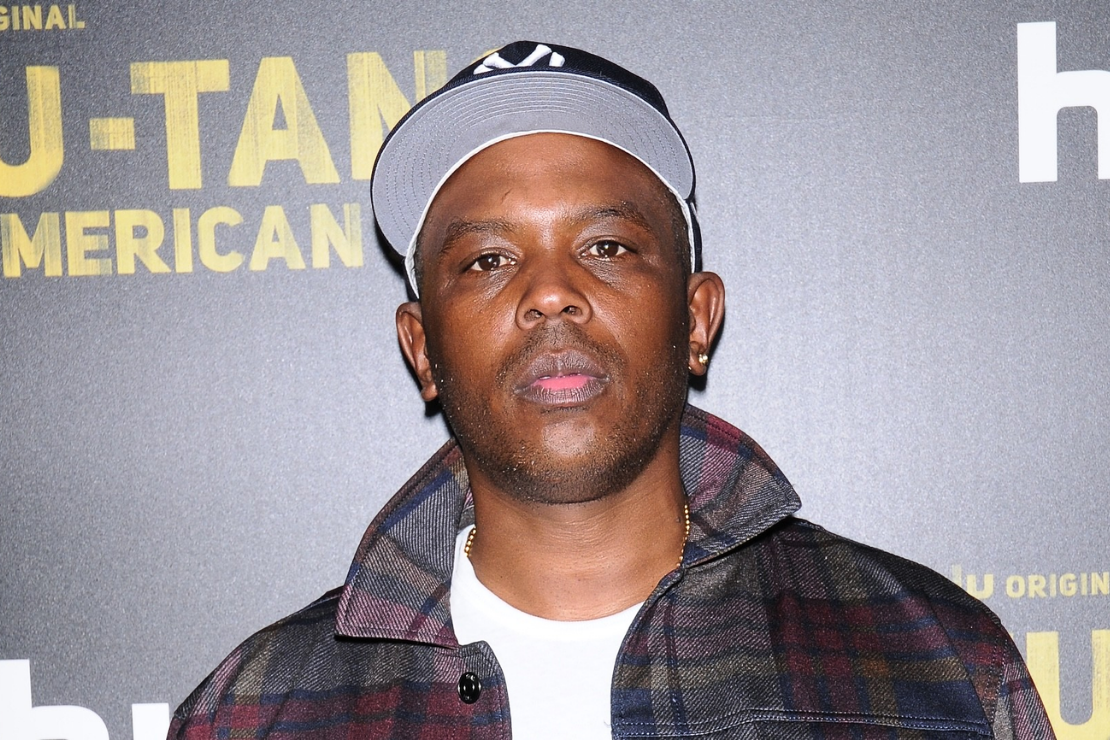
Oliver “Power” Grant Played an Essential Role Behind the Scenes of the Wu-Tang Clan’s Success and Created Wu Wear Clothing
Oliver “Power” Grant, a foundational figure behind the rise of the Wu-Tang Clan, has died at 52 on February 23. While cause of his death has not been revealed to the press, members of the iconic hip-hop group have taken to social media to share tributes to Grant.
Though he was not a performing member of the group, Grant’s presence and influence were deeply woven into Wu-Tang’s origin story and business blueprint. In the hours following news of his death, members of the Clan took to social media to honor the man they credit with helping turn a vision into a movement.
“Paradise, my Brother, safe Travels!!” wrote Method Man alongside a photo of the two together. “Bruh, I am not ok.”
Raekwon also shared his grief publicly: “POWER we been everywhere …. Now you everywhere! The most high is merciful. I love you.”
GZA underscored Grant’s impact on the group’s foundation. “‘word life, peace to Power and my whole unit.’ We couldn’t have done it without him. Wu wouldn’t have come to fruition without Power. His passing is a profound loss to us all. My deepest condolences to the fam.”
The Business Mind Behind Wu-Tang’s Rise
Born in Jamaica and raised in Staten Island, New York, Grant grew up in the same borough that would later birth the Wu-Tang legacy. A childhood friend of RZA’s older brother Divine, Grant was an early believer in the Clan’s potential.
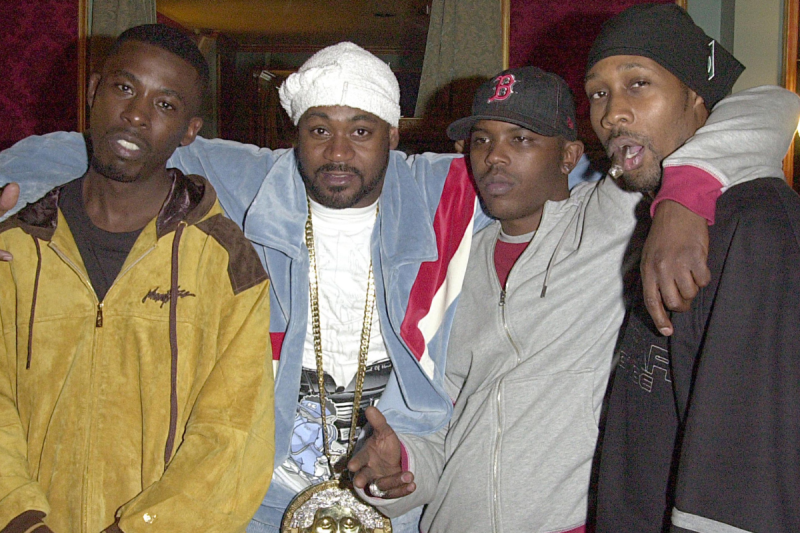
When RZA, Ol’ Dirty Bastard, and the rest of the crew prepared to release their debut album in 1993, Grant stepped in to help secure funding and studio time. That early investment proved critical. His backing allowed the group to establish leverage in their recording contracts and maintain an uncommon level of business control at a time when most artists signed away ownership.
Grant would go on to serve as a manager and executive producer for the group, helping guide its commercial strategy during its ascent.
Wu Wear: A Streetwear Blueprint Ahead of Its Time
Grant’s entrepreneurial instincts extended beyond music. In the mid-1990s, he launched Wu Wear, one of the first artist-owned streetwear brands. At a time when the concept of rappers building fashion empires was far from mainstream, Wu Wear carved its own lane.
Despite skepticism from some within the Clan, the brand eventually generated tens of millions of dollars in annual sales and secured distribution in retail stores nationwide. Long before artist fashion lines became industry standard, Wu Wear helped set the template.
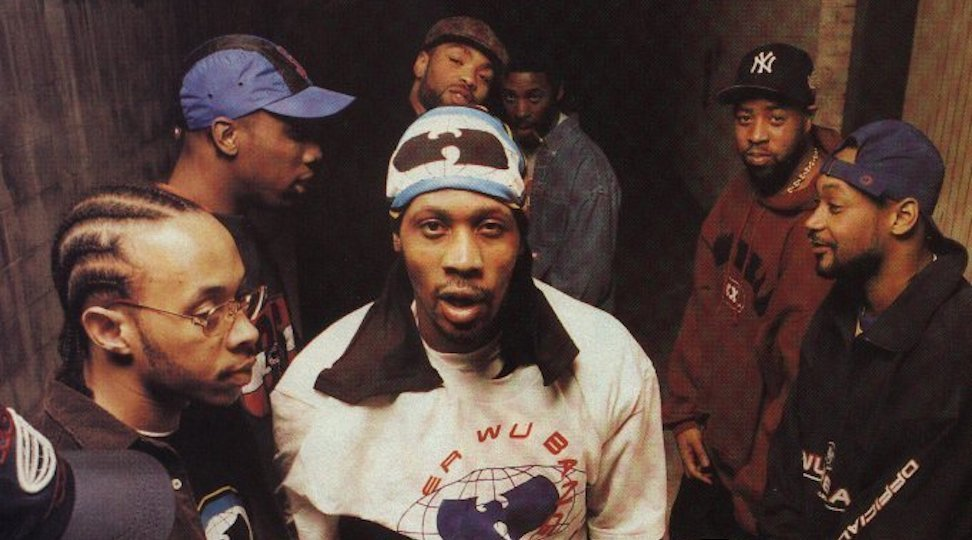
“My crew had plenty of skeptics, doubters, and non-believers. It wasn’t anything personal, but I’d say that everyone is an individual and they didn’t really understand what I was doing or what I was initially trying to get across, or where I was coming from,” Grant said in a 2011 interview with Passion of Weiss. “They just hadn’t seen it. It hadn’t been done before, and it led them to be skeptical. I was laying my own trail. First and foremost, yeah it was going to benefit me, but at the end it would benefit all of us. I knew thought that it was ultimately about showing and proving.”
For many in hip hop, Grant’s legacy is not just in what he helped build, but in how he built it. He believed in ownership before ownership became a talking point. He invested in culture before culture became capital.
His absence leaves a gap in the Wu-Tang family, but his fingerprints remain on one of the most influential collectives in hip hop history.