





African American Cultural Heritage Action Fund Hopes to Open Nina Simone’s Childhood Home to the Public in 2027
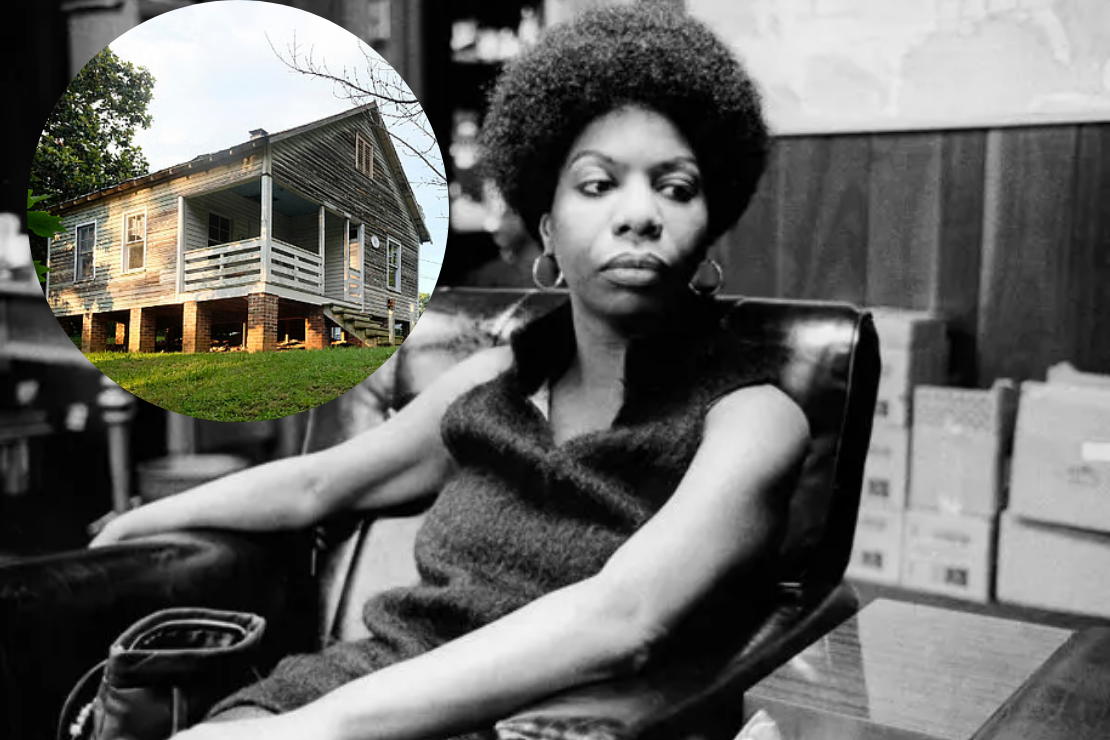
The African American Cultural Heritage Action Fund has completed the restoration of Nina Simone’s childhood home in Tryon, North Carolina, preserving a foundational space in the life of one of the most influential artists in American history.
The restored home, a modest three-bedroom structure built in the early 1900s, is where Simone lived with her parents and eight siblings between 1933 and 1937. Long neglected and facing demolition, the property was rescued in 2016 when a group of Black artists including Rashid Johnson, Adam Pendleton, Ellen Gallagher, and Julie Mehretu collectively purchased the home to protect it from being lost entirely.
“Preservation is an expression of what we choose to honor, and Nina Simone’s childhood home is an essential landmark in our nation’s artistic and cultural landscape,” said Brent Leggs, executive director of the African American Cultural Heritage Action Fund and strategic advisor to the CEO of the National Trust for Historic Preservation.
“Restoring her home affirms her rightful place in the American story—one defined by brilliance, resilience, and the power of art to shape our collective conscience.”
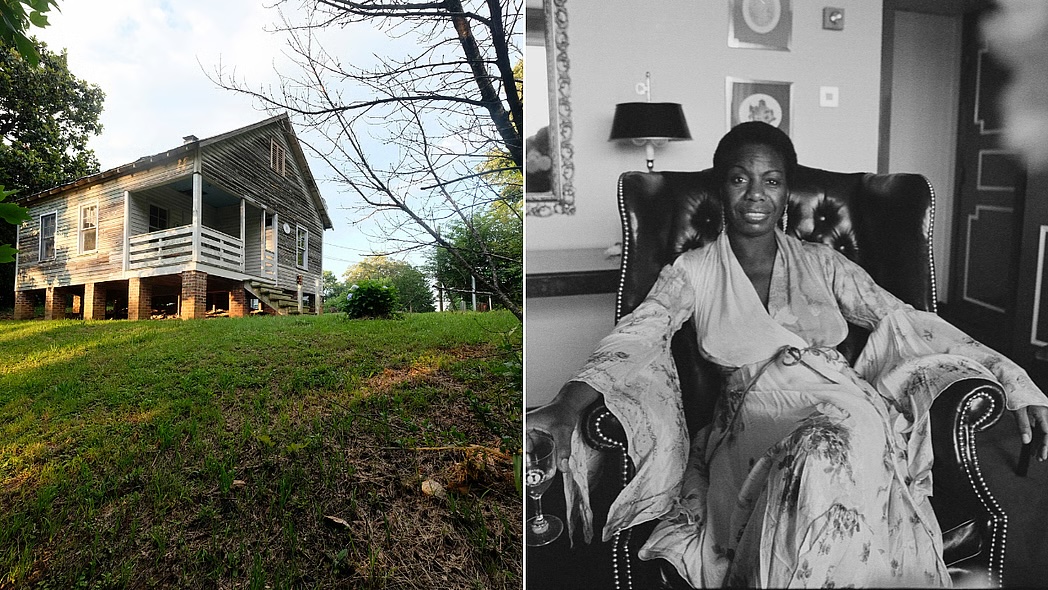
The Action Fund, a division of the National Trust for Historic Preservation, formally joined the effort in 2017, partnering with Simone’s brother, Dr. Samuel Waymon, as well as local community and philanthropic supporters to guide the restoration. In 2023, tennis champion and philanthropist Venus Williams co-curated a fundraising gala and auction with Pendleton, helping generate critical support for the project’s final phases.
“I’m so proud to be part of this project honoring Nina Simone, whose legacy embodies strength, artistry, and the power of speaking truth,” Williams said. “I’m able to pursue my passions and live my dreams because of the barriers she broke and the paths she paved. Preserving her home ensures that the stories of women who shaped our culture continue to inspire generations to come.”
Throughout the restoration process, the Action Fund emphasized preservation over reinvention. Original wood walls were maintained where possible, and the nearly century-old magnolia tree that still stands in the front yard was intentionally protected. Rather than converting the property into a traditional museum, the organization focused on maintaining the home as an intimate, living space that reflects Simone’s early environment.
“Physical spaces carry memory in a way that transcends words,” said artist Rashid Johnson. “Nina Simone’s childhood home isn’t just a structure; it’s a vessel of her spirit, her struggle, and her genius. Preserving it gives us a place to return to. It reminds us that creativity, resistance, and beauty are born somewhere real.”
Dr. Waymon described the home as a deeply personal archive of Simone’s earliest years.
“Black history is the backbone of American history,” he said. “The restoration and preservation of Nina’s birthplace is Black American history—of which I, too, am a part. Preserving it safeguards the piano lessons, the joy, the discipline, and the discovery of her gifted talent, all recorded in those walls.”
While the Nina Simone childhood home is not yet open to the public, the African American Cultural Heritage Action Fund plans to welcome visitors beginning in 2027 following the completion of its next preservation phase.