






NFL CTE Shooting: Manhattan Attack Left 4 Dead, Raises Alarms Over Player Brain Trauma
A former high school football player opened fire inside a Manhattan skyscraper on Monday, killing four people in a failed attempt to target the National Football League’s headquarters. The shooter, identified as 27-year-old Shane Tamura, left behind a suicide note blaming the NFL for his deteriorating mental health, which he believed was caused by chronic traumatic encephalopathy (CTE).
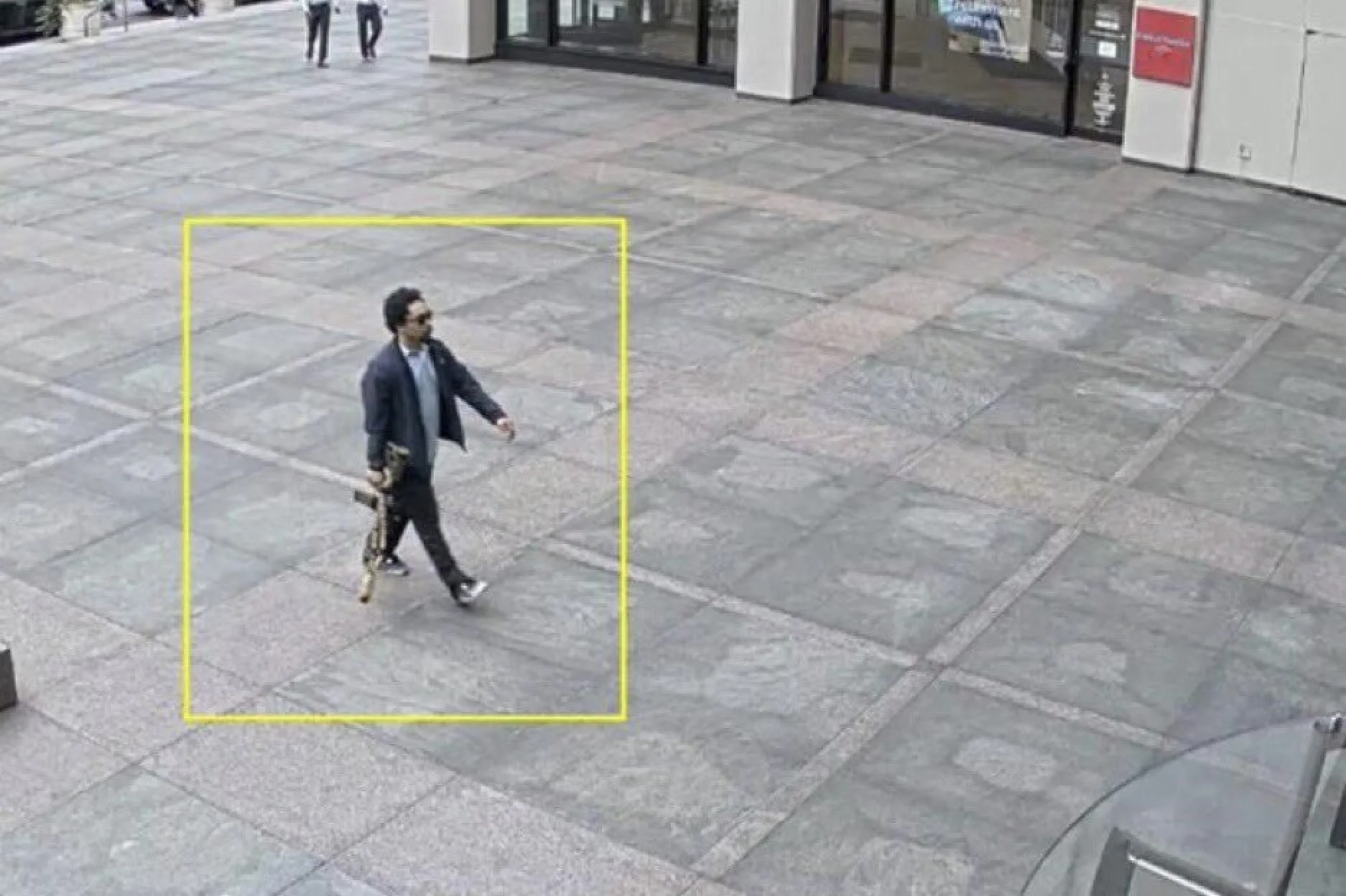
Instead of reaching the NFL’s fifth through eighth floors, Tamura took the wrong elevator and attacked a real estate firm’s offices on the 33rd floor. He ultimately shot and killed a police officer, a security guard, and two civilians before turning the gun on himself. One NFL employee, Craig Clementi, was seriously injured and remains hospitalized.
NFL Response: Office Closed, Injured Employee Stable
NFL Commissioner Roger Goodell called the attack “an unspeakable act of violence,” and confirmed the league’s Manhattan office will be closed through next week. In a memo to staff, Goodell said the injured NFL employee was in stable condition and praised the swift action of law enforcement.
Despite a recent NFL report showing a 17% drop in concussions in 2024 and a 43% reduction on kick returns due to rule changes, Monday’s tragedy underscores lingering concerns about the long-term impact of football on brain health.
Shooter Cites CTE and NFL Negligence in Suicide Note
Tamura’s three-page handwritten note accused the NFL of concealing the risks of repeated head trauma. Found in his wallet, the message mentioned former NFL player Terry Long, who was diagnosed with CTE before dying by suicide in 2005, and referenced a PBS Frontline documentary that explored the link between football and brain degeneration.
He reportedly apologized throughout the note and requested that his brain be examined for CTE—the degenerative disease associated with memory loss, aggression, depression, and cognitive decline in contact sport athletes.
While Tamura never played professionally, he believed his time in high school football contributed to irreversible brain trauma. The NFL formally acknowledged the link between football and CTE in 2016 after years of denial and has since paid over $1.4 billion in settlements to affected former players.
Victims and Vigils: Mourning Those Lost
The shooting occurred just blocks from Grand Central Terminal at a Park Avenue high-rise. Among the dead was Officer Didarul Islam, who was working security at the building and hailed as a hero. His body was transported to a Bronx mosque Tuesday afternoon ahead of a community funeral.
A multifaith vigil followed Tuesday evening, where Mayor Eric Adams and Governor Kathy Hochul addressed mourners. Adams, who once worked in the building’s mailroom, called the crime scene devastating and used the moment to push for stronger gun safety legislation.
“We cannot respond to senseless gun laws through vigils,” Adams said. Hochul echoed the need to keep battlefield weapons out of civilian spaces, condemning the AR-15-style rifle used by Tamura.
Broader Concerns: Corporate Accountability and Violence
Monday’s tragedy bears disturbing resemblance to the December 2024 murder of UnitedHealthcare CEO Brian Thompson, also near Park Avenue, by a shooter angry over corporate greed. That incident and the Tamura shooting raise questions about how mental health, corporate accountability, and access to high-powered firearms intersect in moments of deadly violence.
President Donald Trump issued a brief statement, offering condolences to the victims’ families and recognizing Officer Islam’s sacrifice. Federal authorities are now investigating the supply chain behind Tamura’s rifle, with a focus on the lower receiver parts used to build the AR-15-style weapon.