




Rep. Ayanna Pressley Introduces Resolution to Protect Black Museums and Cultural Institutions
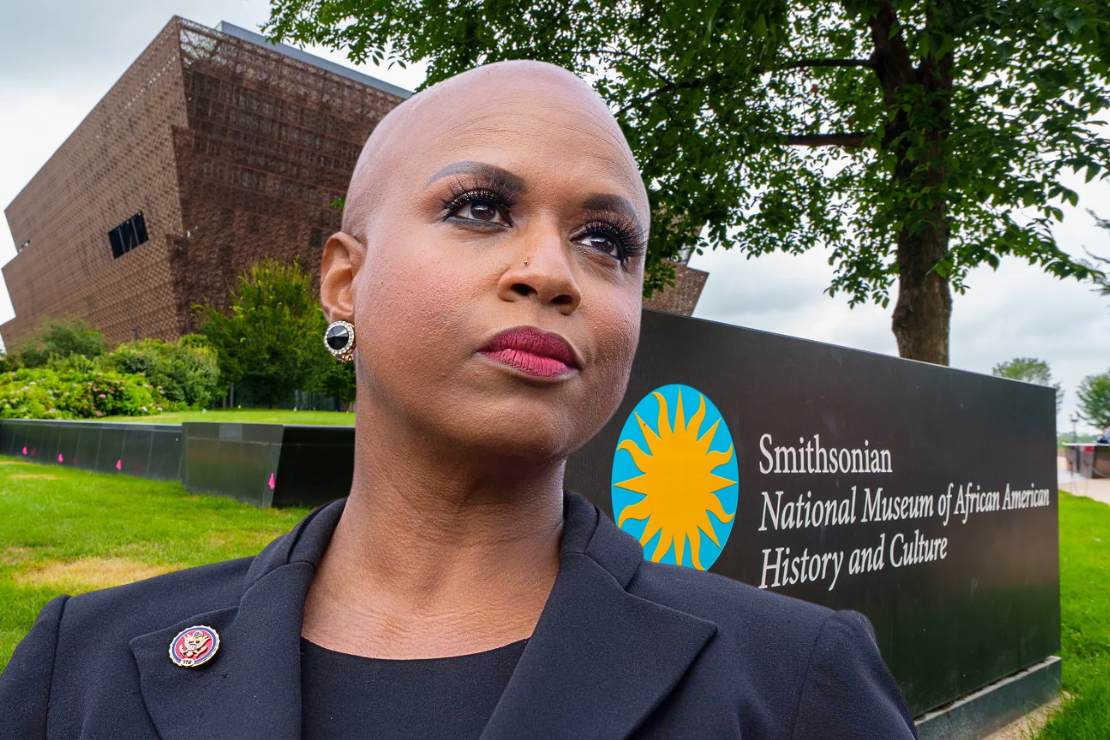
U.S. Rep. Ayanna Pressley has introduced a congressional resolution aimed at protecting and celebrating Black museums and cultural institutions nationwide, marking the close of Black History Month with a direct response to recent federal actions targeting historical exhibits.
In an exclusive statement, Pressley said the measure is designed to safeguard institutions that preserve Black history at a moment she described as an effort by President Donald Trump to “rewrite and whitewash” the nation’s past through executive action.
Resolution Highlights Black Contributions to American Democracy
The resolution, co-signed by 52 House Democrats, outlines the historic contributions of Black Americans and connects those achievements to the nation’s 250th anniversary celebrations this summer.
“The preservation of our shared history and culture is only possible if we support and protect our Black history museums and cultural institutions,” Pressley said. “As we mark the 100th anniversary of Black History Month commemorations—and the 250th anniversary of the United States—we recognize that these milestones are inextricably intertwined as this nation was built by the contributions, brilliance, and sacrifice of our Black ancestors.”
The resolution states that the American colonies and the United States directly benefited from the labor of millions of enslaved Africans and their descendants. It cites figures and movements that shaped democracy, from Crispus Attucks as the first casualty of the American Revolution to the more than 2,000 Black elected officials during Reconstruction who helped secure the 14th and 15th Amendments, and the Montgomery Bus Boycott that propelled desegregation.
The measure underscores the role Black history museums play in correcting the historical omission and misrepresentation of Black people in mainstream museums and textbooks. It emphasizes the preservation of records, artifacts, and narratives documenting the global contributions of African-derived cultures.
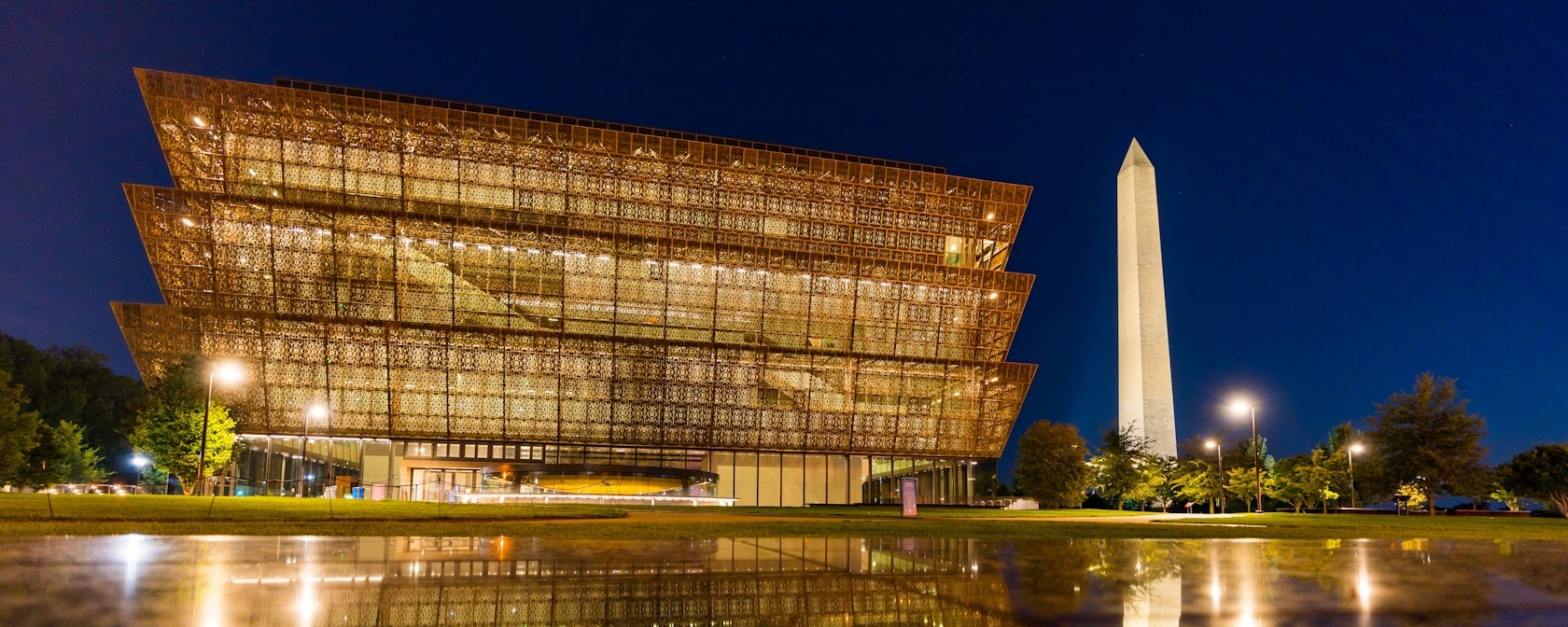
Among the institutions referenced in the broader debate is the National Museum of African American History and Culture, part of the Smithsonian Institution in Washington, D.C. The museum has faced scrutiny under a March 2025 executive order titled “Restoring Truth and Sanity to American History,” which directed reviews of Smithsonian exhibitions ahead of the nation’s 250th anniversary.
The executive order stated that exhibits should reflect “unity, progress, and enduring values that define the American story.” In August 2025, Trump criticized the museum for highlighting the brutality of slavery.
Most recently, the U.S. Park Service removed a slavery exhibit at President George Washington’s former home in Philadelphia that detailed the nine people he and his wife enslaved. A federal court ordered the exhibit restored, though the administration has indicated it plans to appeal.
A Call to Confront Distortion of Black History
Pressley’s resolution calls on Americans to confront present-day efforts to erase or distort Black history and to uplift Black museums and cultural institutions as spaces for truth-telling, education, dialogue, and healing.
“Amid Trump’s attempts to rewrite and whitewash our past and the systemic oppression of marginalized people that lives on today, it is incumbent upon us all to uplift the institutions that tell the truth of our shared history,” Pressley said. “This resolution affirms the indispensable role of Black history museums and cultural institutions in our democracy and makes plain that we will stand in vigorous defense of these spaces, their work, and our stories against our erasure.”