





Lawmakers Erect Makeshift Tributes as the Official Jan. 6 Plaque Stays in Storage
As the nation approaches the fifth anniversary of the January 6, 2021 attack on the U.S. Capitol, a memorial meant to honor the law enforcement officers who defended democracy remains unseen.
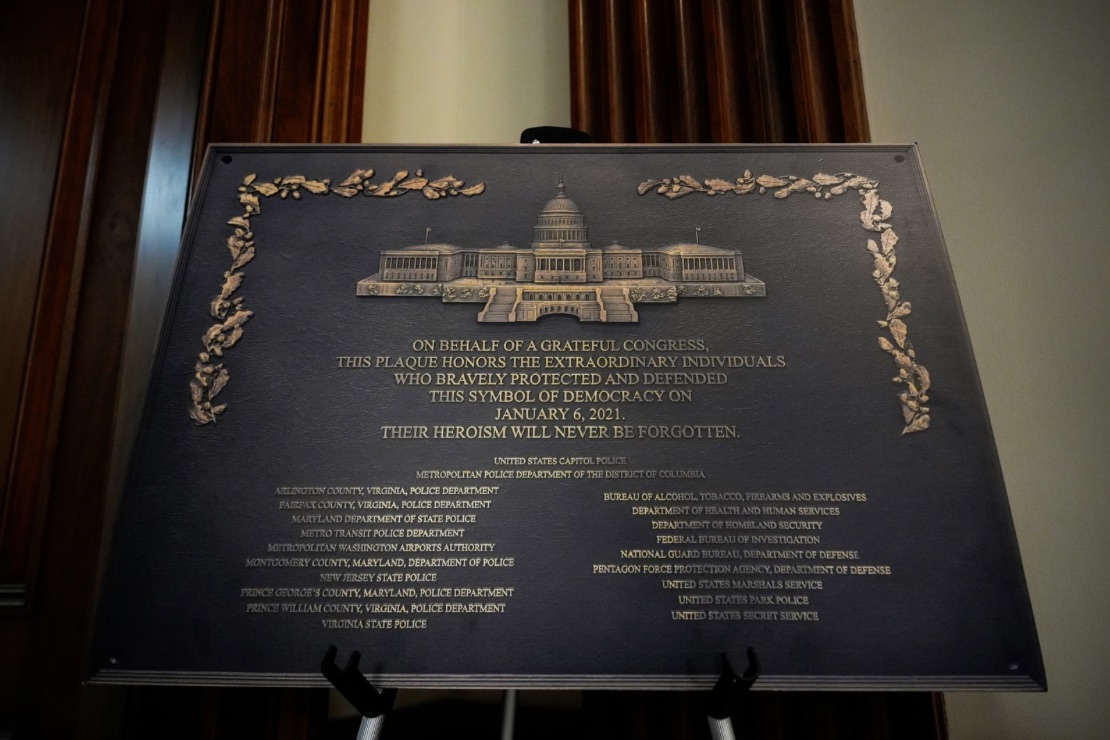
In 2022, Congress authorized an official plaque recognizing U.S. Capitol Police officers for their actions during the violent breach of the Capitol, where rioters attempted to stop the certification of the 2020 presidential election. The plaque was intended to be installed near the Capitol’s west front, the site of some of the most intense clashes between officers and the mob. To date, it has not been publicly displayed.
The absence of the plaque has sparked frustration among lawmakers and Capitol Police officers, many of whom argue that honoring those who protected the Capitol should not be controversial. More than 140 officers were injured during the attack, and several later died, including officers who struggled with the lasting psychological effects of that day.
House Speaker Mike Johnson has not moved forward with installing the plaque, and it is believed to remain in storage. A legal dispute over the issue is ongoing, with officers seeking enforcement of the law that authorized the memorial.
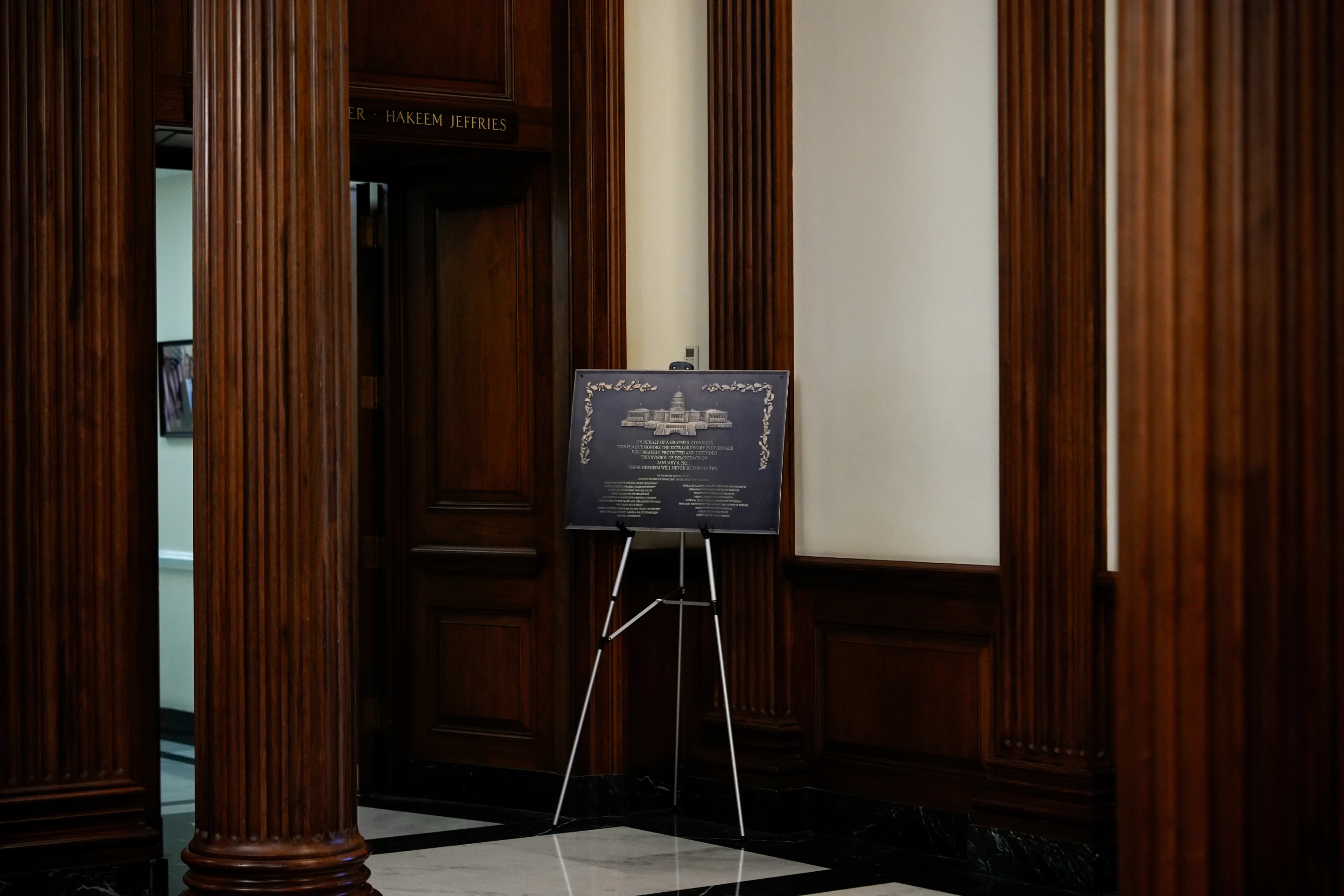
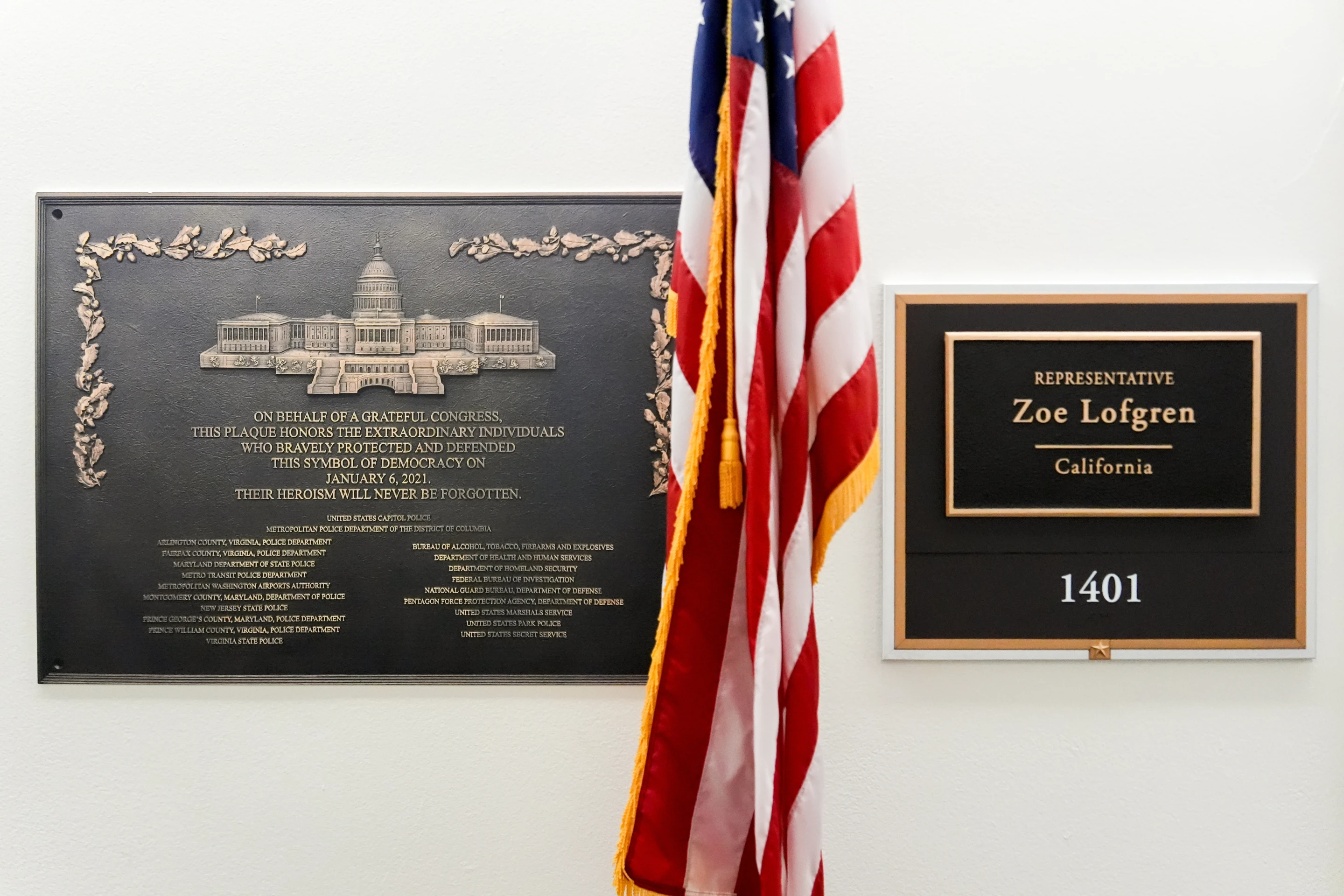
In response, roughly 100 members of Congress have created their own symbolic tributes. Replicas of the plaque have appeared outside congressional offices throughout the Capitol complex, displaying language that honors the officers who defended the building and upheld the democratic process on January 6.
The missing memorial has become a flashpoint in the broader national debate over how the Capitol attack is remembered. Critics warn that failing to formally commemorate the officers risks diminishing the seriousness of the violence and opens the door to rewriting or minimizing what occurred. Supporters of the plaque argue that public remembrance is essential to preserving historical truth.
As political divisions continue to shape how January 6 is discussed, the unresolved status of the plaque highlights an uncomfortable reality: the battle over memory and accountability did not end when the crowd dispersed. Whether the plaque will be installed in time for the anniversary remains uncertain, but the question it raises is clear — how a nation remembers its moments of crisis matters just as much as how it survives them.