





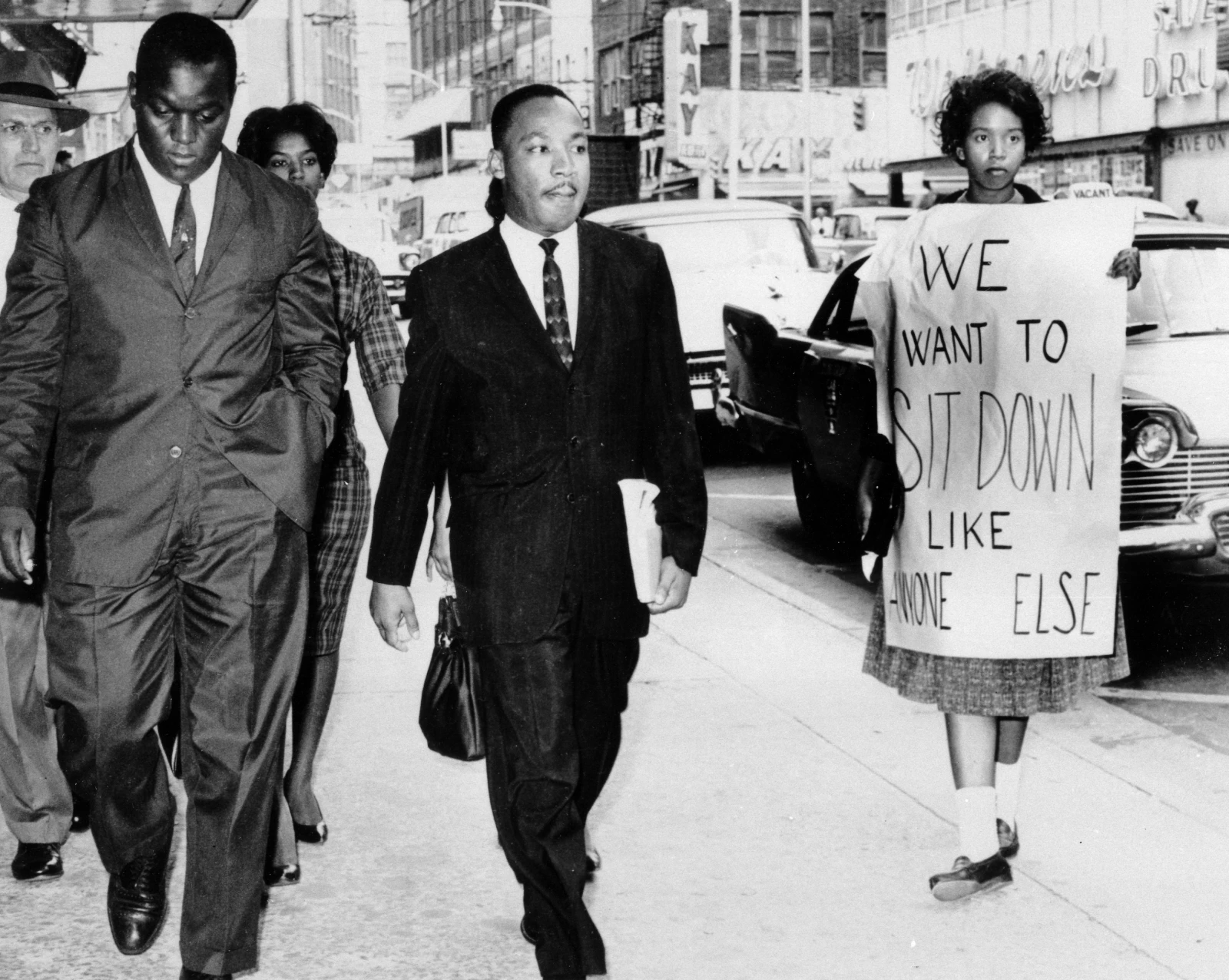
Atlanta Sit-In Sparks National Attention
On October 19, 1960, 52 people, including Dr. Martin Luther King Jr., were arrested during a peaceful sit-in at Atlanta’s segregated lunch counters. The protesters refused to leave Rich’s Department Store and other establishments enforcing Jim Crow laws, which barred Black customers from dining alongside white patrons or even trying on clothing.
This wave of protests was part of the larger student-led sit-in movement spreading across the South. It had begun earlier that year when four North Carolina A&T students staged a sit-in at a Woolworth’s in Greensboro. By 1961, the movement had attracted more than 70,000 participants and over 3,000 arrests, marking one of the most significant nonviolent challenges to segregation.
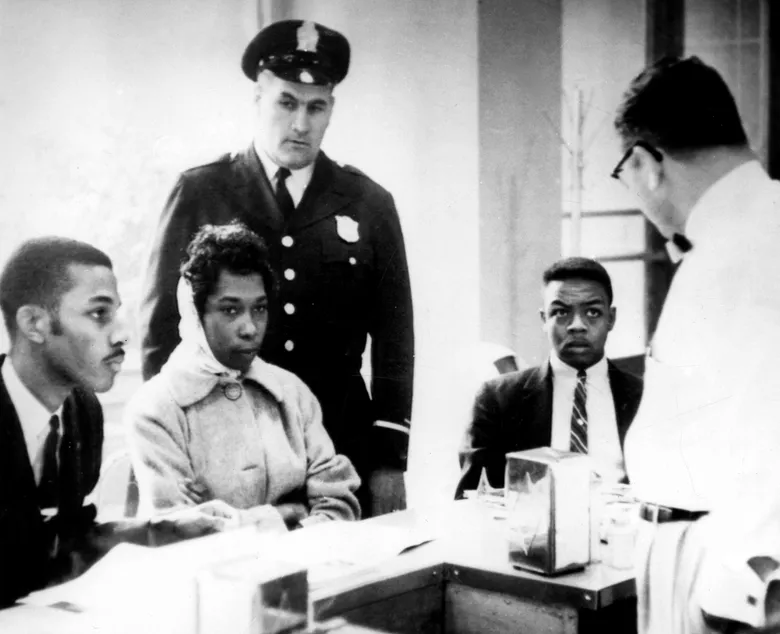
Dr. King Joins Students in Defiance of Jim Crow
King’s arrest came after he accepted an invitation from Atlanta’s college students to join their sit-down demonstrations. The protest was organized by the Atlanta Student Movement under the leadership of Lonnie C. King and Julian Bond, with support from Spelman College activists like Marilyn Pryce and Ida Rose McCree.
Georgia’s governor accused the students of spreading “dissatisfaction, discontent, discord, and evil,” even suggesting communist influence. Despite such attacks, the protesters remained steadfast, emphasizing that segregation violated the core principles of democracy.
The Kennedy Campaign’s Intervention
While most of the 52 arrestees were released quickly, King’s situation grew dire. He was held on charges that his sit-in arrest violated a probation term from an earlier traffic offense and was sentenced to hard labor.
His late-night transfer to a rural jail in Klan-infested DeKalb County, and later to the maximum-security prison in Reidsville, alarmed civil rights leaders who feared for his safety.
John F. Kennedy’s presidential campaign intervened at a critical moment. Campaign manager Bobby Kennedy personally contacted the judge, urging King’s release on bail. The effort not only saved King’s life but also transformed the political landscape galvanizing Black voters to support Kennedy in the razor-thin 1960 election.
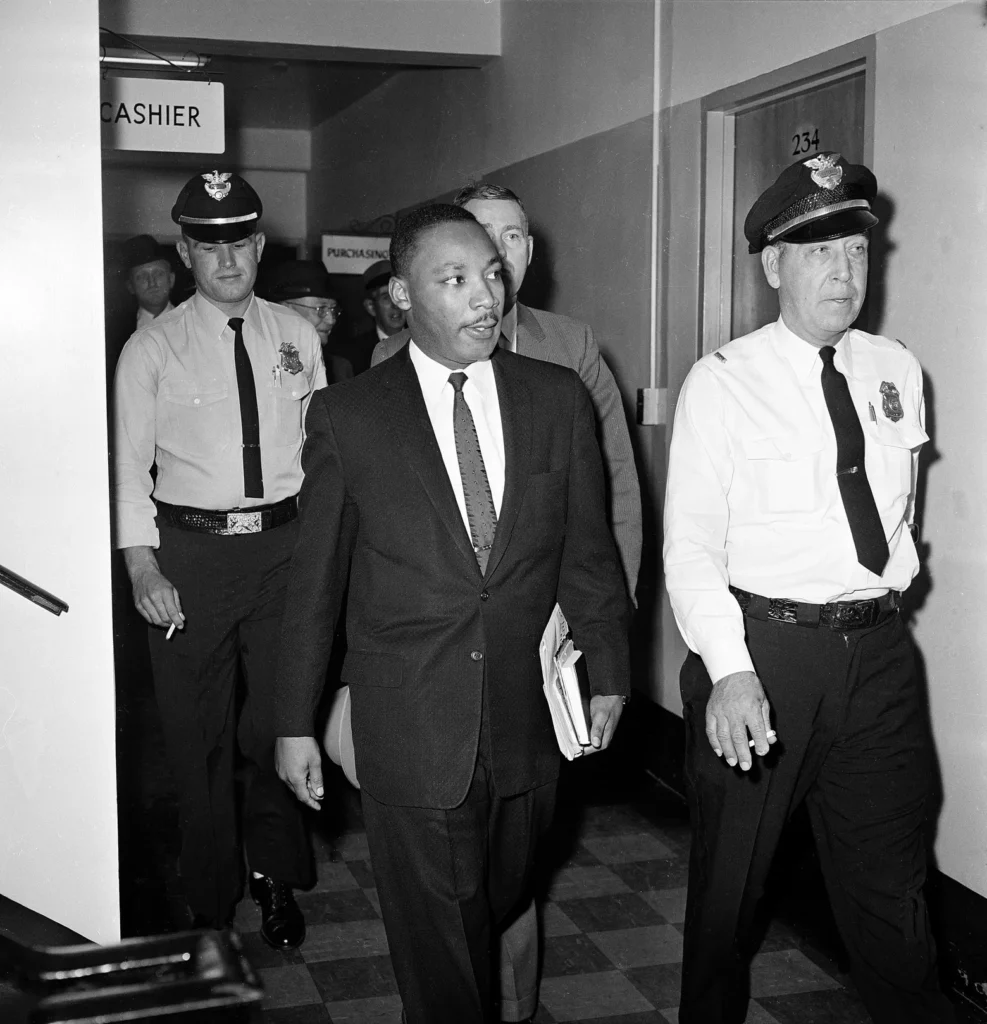
From the Magnolia Room to Desegregation
Rich’s Department Store, particularly its Magnolia Room restaurant, became a flashpoint in the struggle. White customers could dine, try on clothing, and use restrooms freely, while Black shoppers were excluded entirely.
When negotiations between civil rights leaders and Atlanta’s business community stalled, students resumed protests after Thanksgiving. By the fall of 1961, the persistence of those activists paid off Rich’s and other Atlanta stores began to desegregate, marking a pivotal victory for the movement.
More than six decades later, the spirit of the Atlanta sit-ins lives on in movements like today’s No Kings protests, where Americans once again fill the streets to challenge power and remind the nation that democracy depends on defiance.