





What To Know About Activist Mahmoud Khalil and His Release From Immigration Detention
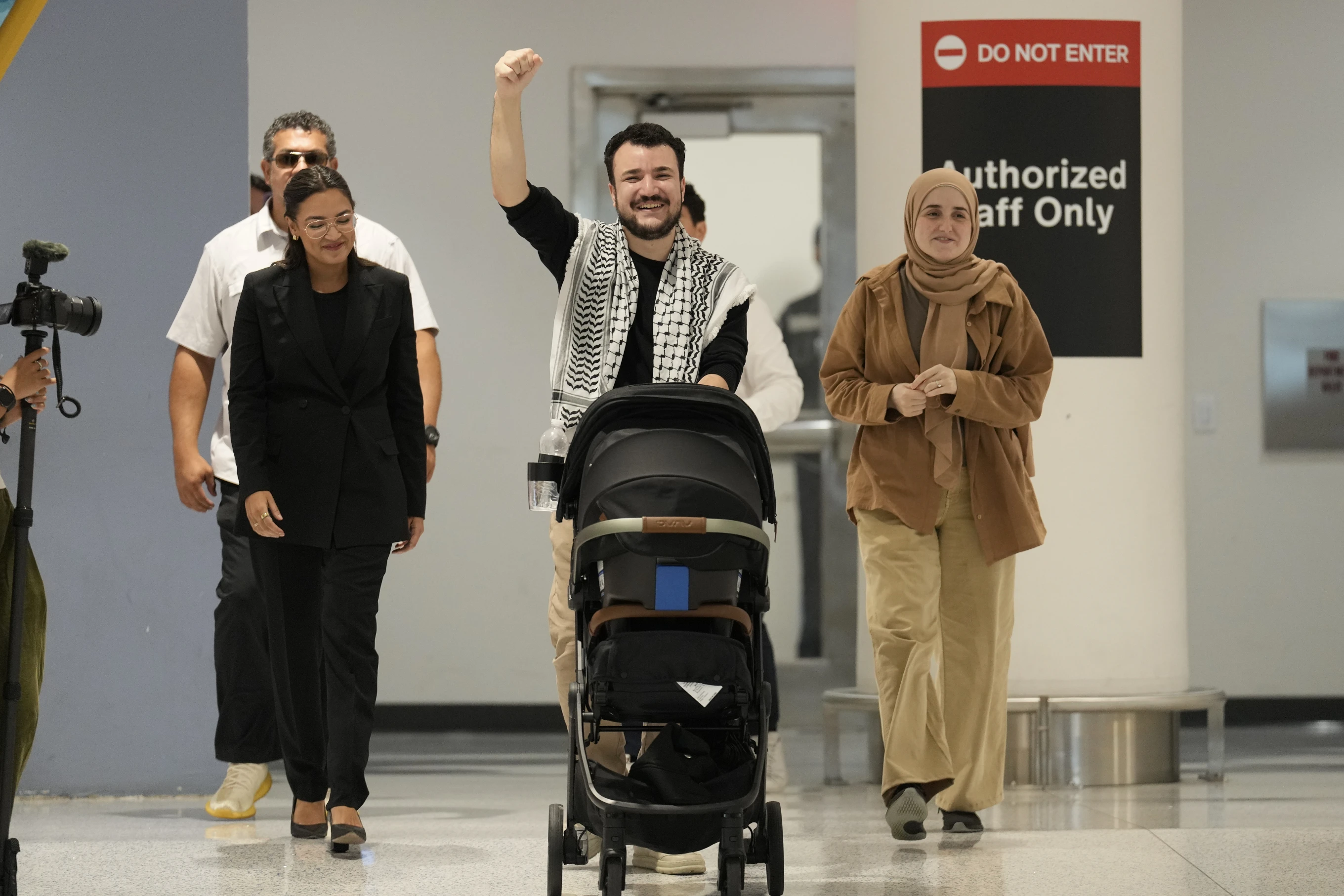
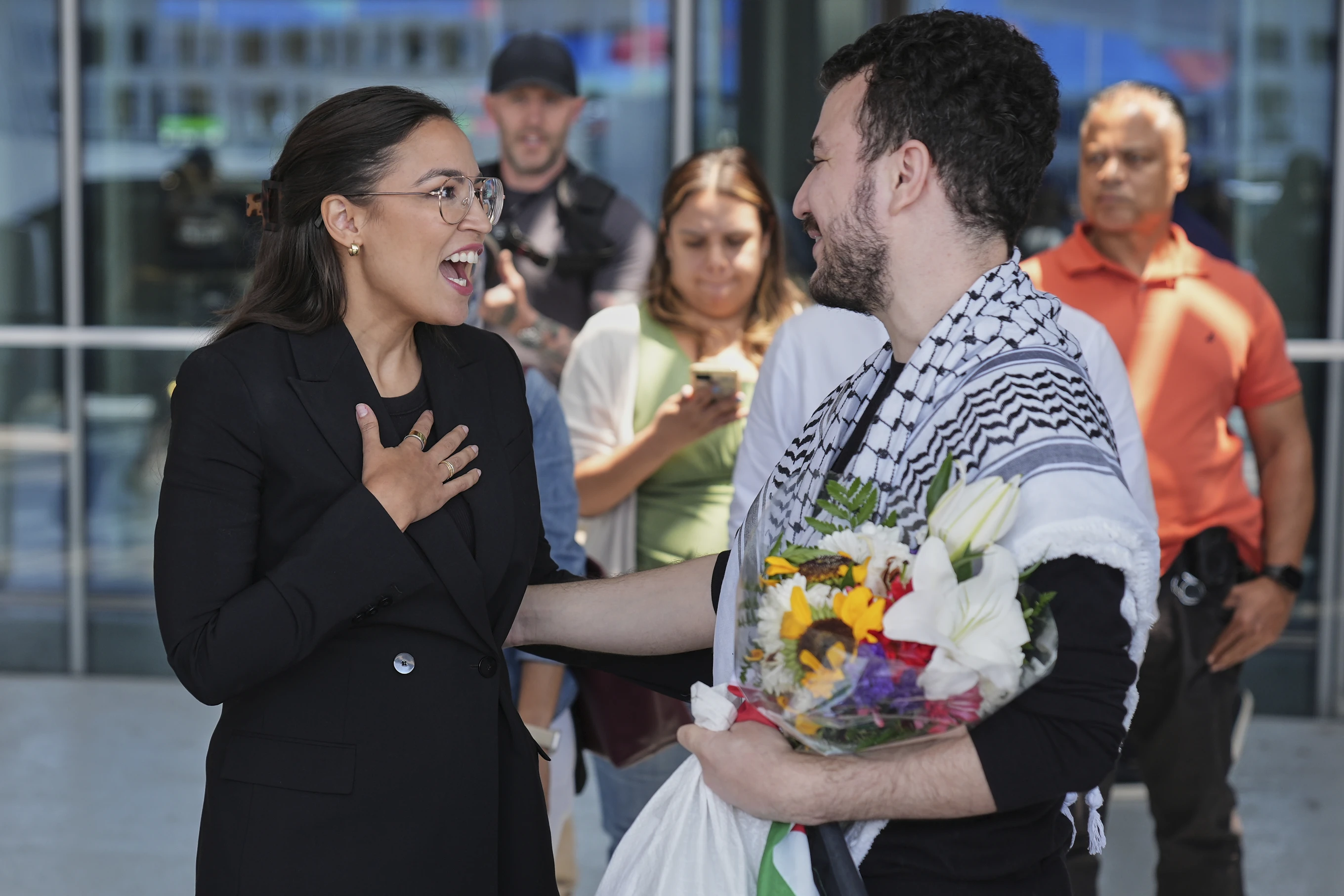
Mahmoud Khalil, a Palestinian activist and former Columbia University graduate student, was released Friday after spending 104 days in a U.S. immigration detention center in Louisiana. His detention became a flashpoint in President Donald Trump’s effort to punish pro-Palestine student protesters.
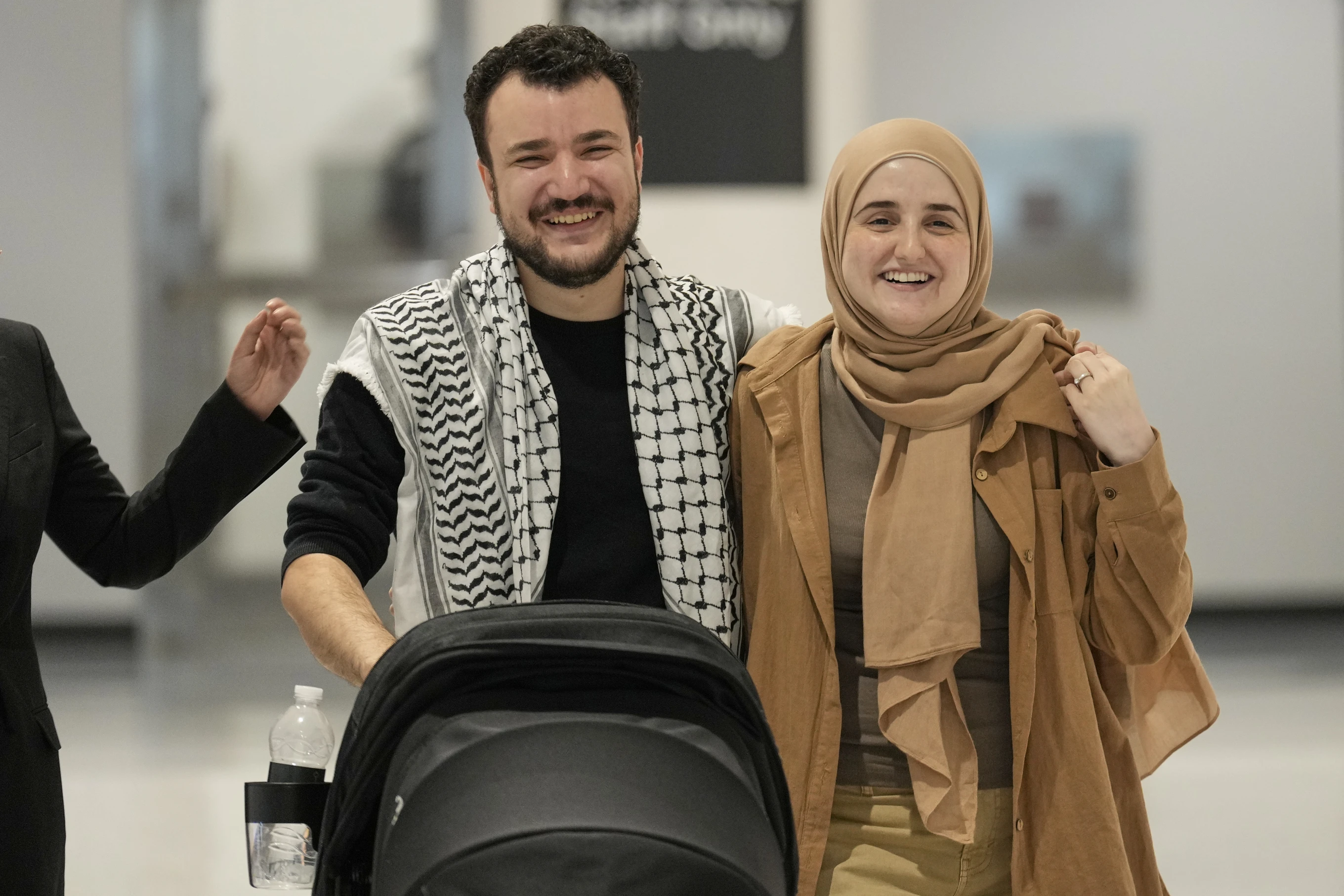
Khalil is now headed to New York to reunite with his wife, Dr. Noor Abdalla, and meet his newborn son—born during his time behind bars. “Justice prevailed, but it’s very long overdue,” Khalil said outside the facility. “This shouldn’t have taken three months.”
Arrest Tied to Protests, Not Criminal Acts
On March 8, federal agents arrested Khalil—the first student detained under Trump’s new crackdown on campus protests against Israel’s war in Gaza. A legal U.S. resident and international affairs student, Khalil had acted as a spokesperson and negotiator during the Columbia encampment protests.
Although he wasn’t arrested during the protests or involved in the group that seized an administration building, Khalil’s open identity and public role made him a target for critics who painted the protests as antisemitic. His face appeared in press photos, and he never hid his name—a choice that may have contributed to his arrest.
Legal Justification Sparks First Amendment Fight
The Trump administration claimed Khalil’s actions supported Hamas and threatened U.S. foreign policy—despite no evidence he broke any law. His legal team argued his detention was an unconstitutional punishment for exercising free speech.
U.S. Secretary of State Marco Rubio cited a rarely used clause allowing deportation for “potentially serious adverse foreign policy consequences.” Judge Jamee E. Comans initially sided with the government in April, saying they had “established by clear and convincing evidence” that Khalil was removable.
Federal Judge: Detention Was Unjustified
On Friday, U.S. District Judge Michael Farbiarz ordered Khalil’s release, sharply rebuking the government’s case. “Petitioner is not a flight risk, and the evidence presented is that he is not a danger to the community,” he said. “Period, full stop.”
Farbiarz ruled that Khalil could not be deported for his political views, but allowed the administration to continue pursuing deportation based on separate allegations that Khalil lied on his green card application—an accusation Khalil denies.
DHS Pushes Back as Legal Battle Continues
The Department of Homeland Security quickly appealed the ruling, noting that the same day Farbiarz ordered Khalil’s release, Judge Comans issued a removal order and denied bond. DHS argued that only an immigration judge—not a federal district judge—has the authority to determine detention status.
Khalil is required to surrender his passport and is restricted to domestic travel for legal and family matters. He will be allowed to travel to New York, Michigan, New Jersey, Louisiana, and Washington, D.C., for court and advocacy.
A Symbol of Broader Political Repression?
Khalil’s release follows the detention and subsequent release of other scholars swept up in Trump’s immigration crackdown, including Mohsen Mahdawi (Columbia), Rumeysa Ozturk (Tufts), and Badar Khan Suri (Georgetown). His wife, Dr. Abdalla, said she could finally “breathe a sigh of relief.”
Reflecting on his experience, Khalil said, “No one should be detained for protesting Israel’s war in Gaza.” He added that his time in detention revealed “a different reality about this country that supposedly champions human rights and liberty and justice.”
His case, now back in the spotlight, is not over—but for now, he’s free.