





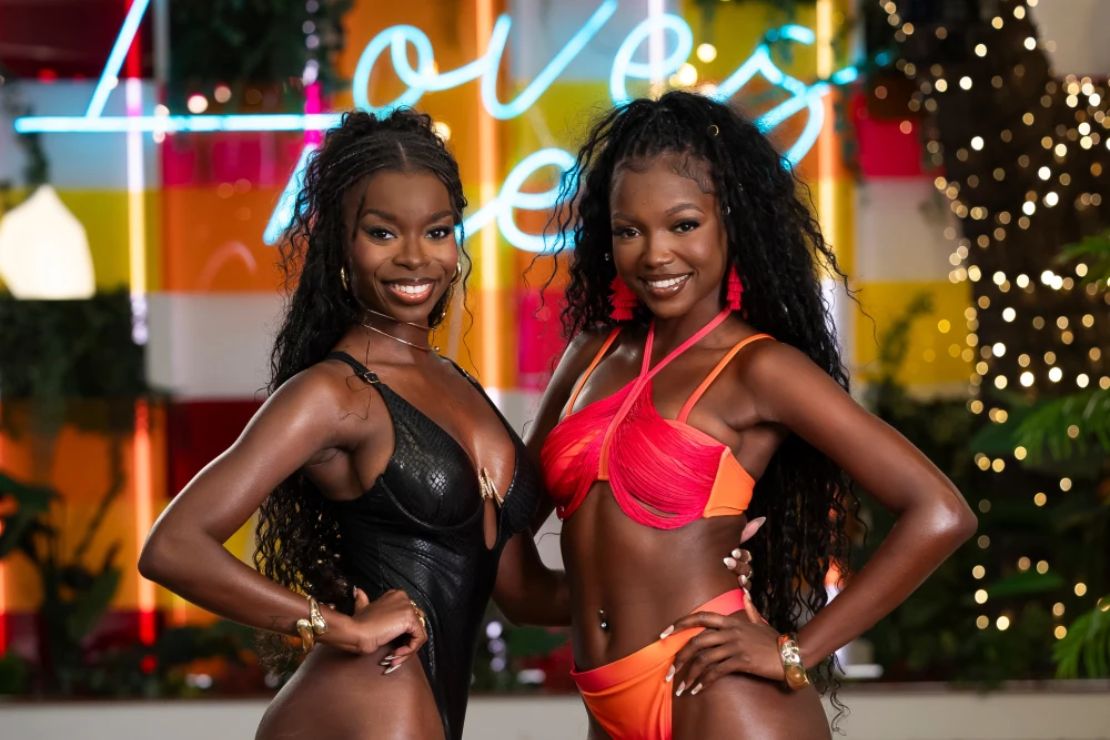
Reality TV Mirrors Real-Life Dating Bias
As Love Island continues its run across the U.K. and U.S., a growing chorus of fans and former contestants say the hit reality show has become a case study in how Black women face racial bias in dating — both on screen and off. Despite the show’s glossy image of romance and paradise, many argue that Love Island exposes deeper societal issues around race, desirability, and representation.
The latest season of Love Island UK and its U.S. counterpart have reignited criticism for how Black women are treated on the show, from being picked last to being dismissed by male contestants for not fitting their “type.” Viewers and contestants alike say it reflects a troubling trend: darker-skinned women are often seen as less desirable, unless they conform to certain social or physical expectations.
“It’s Very Anti-Black”: Viewers Slam UK Version
Oghosa Ovienrioba, a London-based content creator, didn’t hold back her critique of the U.K. version. “The diversity in the U.K. one is terrible,” she said. “It’s very anti-Black.”
That sentiment has echoed across social media for years. Critics note that in 11 seasons, only one darker-skinned Black woman has ever won Love Island UK. Recently, 23-year-old Alima Gagigo coupled up with white contestant Blu Chegini, only to hear him say, “On paper, you’re not my type.” Though he didn’t mention race, the moment felt all too familiar for many viewers.
“I feel like the dark skin Black women on [Love Island USA] always find men who fit their vibe, who respect them, who are attracted to them,” said Ovienrioba, contrasting it with the U.K. version.
Contestants Open Up About Feeling “Not Good Enough”
Former contestant JaNa Craig, who made it to the final four couples on Love Island USA Season 6, recalled the emotional weight of being overlooked. “Even though we know our worth and we know we’re beautiful, we still felt like — not good enough,” she said.
Craig said the first time she felt truly chosen was when a suitor picked her despite having three options. Another contestant, Serena Page, also a Black woman, went on to win the season, offering a rare moment of visibility and validation for women of color.
Still, Craig said her greatest reward came off-screen: hearing from Black women who felt seen and inspired by her presence. “I felt honored by the amount of Black girls that were like, ‘JaNa, you inspire me,’” she said.
Misogynoir and Media Stereotypes Run Deep
The show’s pattern of marginalizing Black women touches on a larger cultural issue — what scholars call misogynoir — the intersection of anti-Blackness and misogyny. Alexandria Beightol of the Southern Poverty Law Center called on producers to stop reinforcing harmful beauty standards.
“You recognizing you have a type should also be you recognizing you are a product of a lot of mass media,” said Beightol. She urged networks to diversify their teams behind the scenes to better anticipate the racial dynamics that unfold on screen.
“It would behoove you to have some producers that look like some of the women on there,” she added.
Love Island Responds, But Viewers Demand More
A Love Island UK spokesperson stated:
“Our application and casting process is inclusive to all and we are always aiming to reflect the age and diversity of our audience on the show.”
Still, for many fans, inclusion isn’t just about casting — it’s about treatment, storylines, and respect. In an era where dating shows reach millions and shape perceptions of love and beauty, how Love Island handles race isn’t just entertainment — it’s a reflection of reality.