





Recent Shootings at Lincoln and Howard Universities Renew Urgent Conversations About Safety on HBCU Campuses
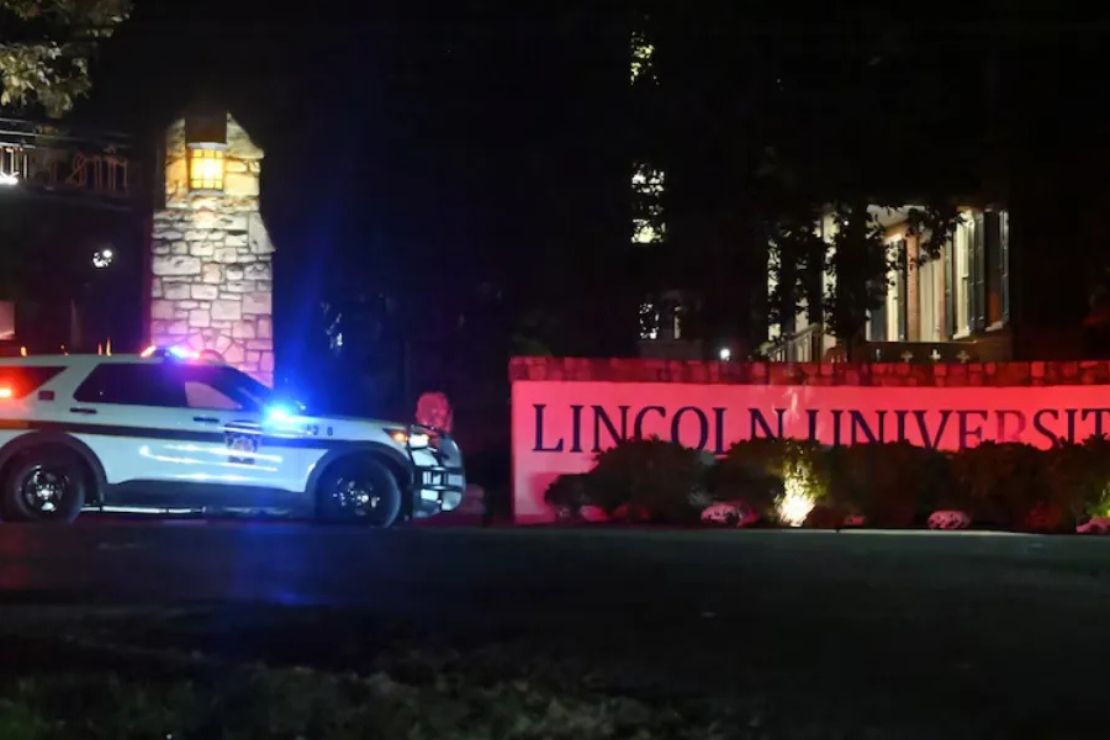
This past Saturday night, during Homecoming weekend at Lincoln University near Oxford, Pennsylvania, one person was killed and six others were injured in a shooting. The shooting comes at a time where many HBCUs are becoming inundated with acts of violence.
According to a 2025 article for CNN, “A total of seven people were hit with gunfire after shots rang out near the school’s International Cultural Center, where homecoming crowds were celebrating after that afternoon’s football game, authorities said at a news conference early Sunday”.
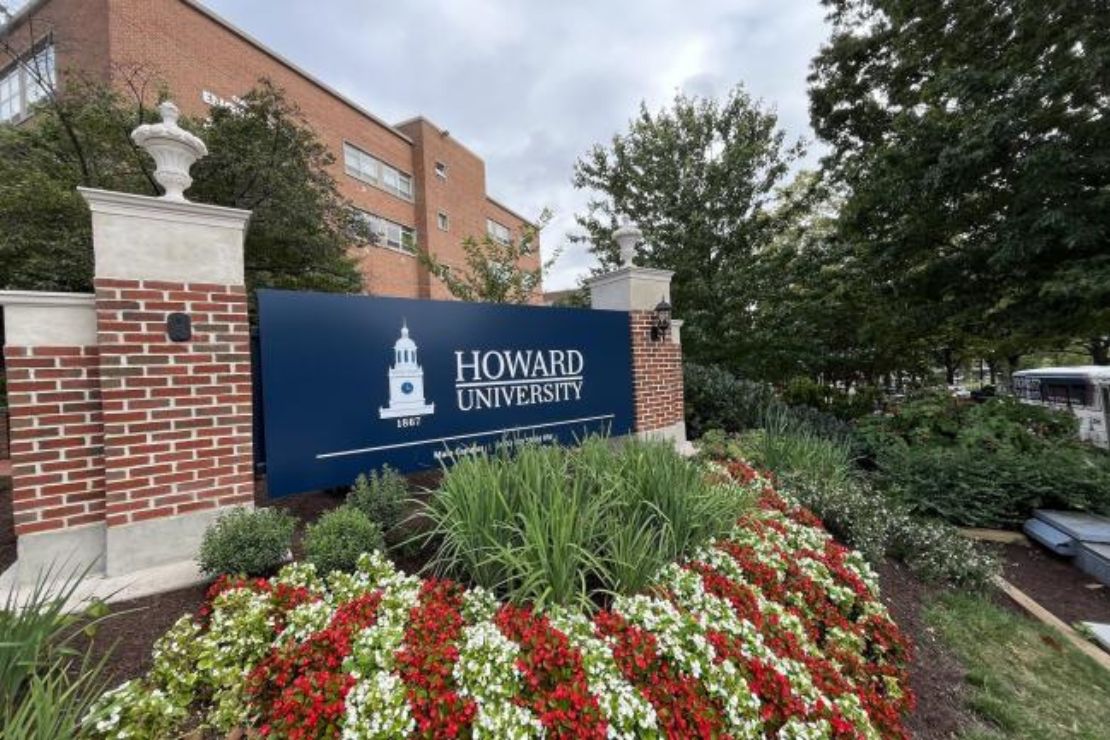
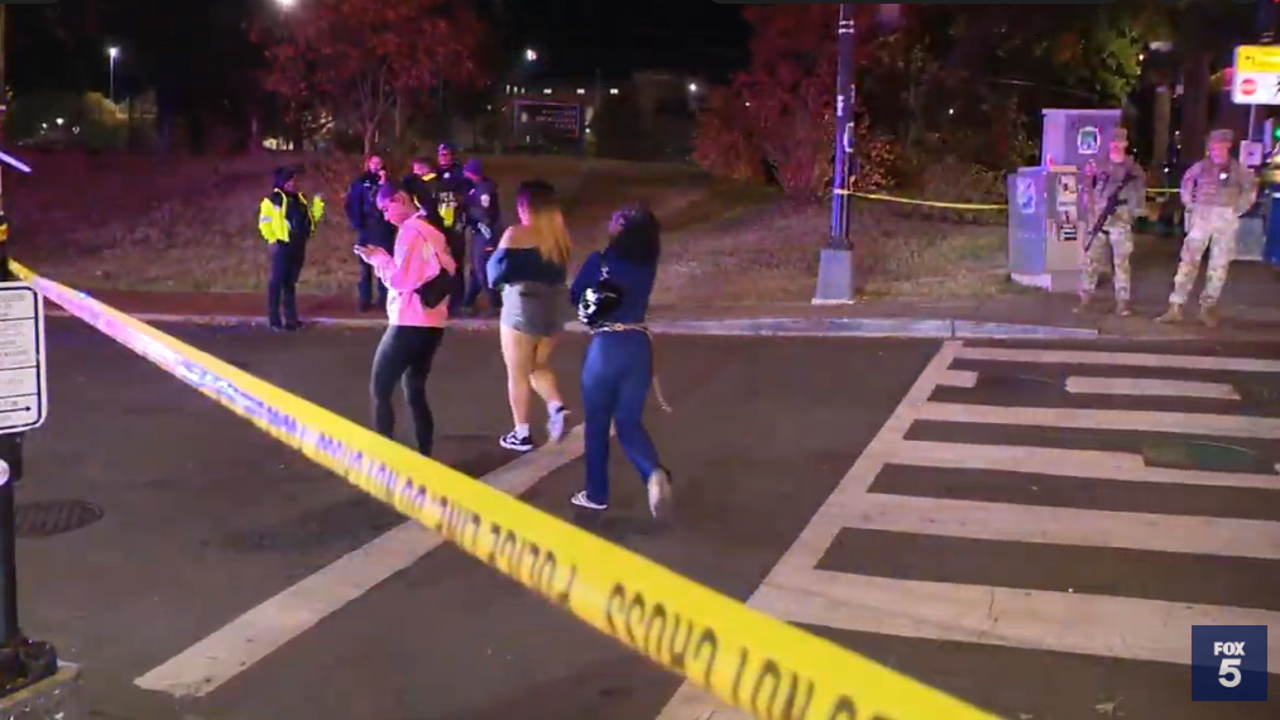
HBCUs have been a target of violence and threats with a majority of crimes occurring at large gatherings such as football games. The Friday before, there was a mass shooting that occurred at the Homecoming activities at another HBCU, Howard University, in Washington D.C. Writers Kaitlyn Dillon and Anna Chen, in their 2025 article for The Hill, “5 Shot Near Howard University Homecoming Week; 2 People In Custody”, writes, “MPD…[Metropolitan Police Department]… said that although no victims were Howard University students, one of the victims attended Morgan State University. The schools’ football teams play each other on Saturday as part of Howard’s homecoming weekend.”
According to the site The Hundred Seven.org, there are currently 107 HBCUs in the United States and the Virgin Islands. Many of the HBCUs (Historically Black Colleges & Universities) are located in the southeastern states with a few located along the east coast. HBCUs were founded on the principle of affording Black people who were formally enslaved to afford educational opportunities. Before the legal integration of education during the mid 20th century, HBCUs were the only opportunities for people of color to get an education.
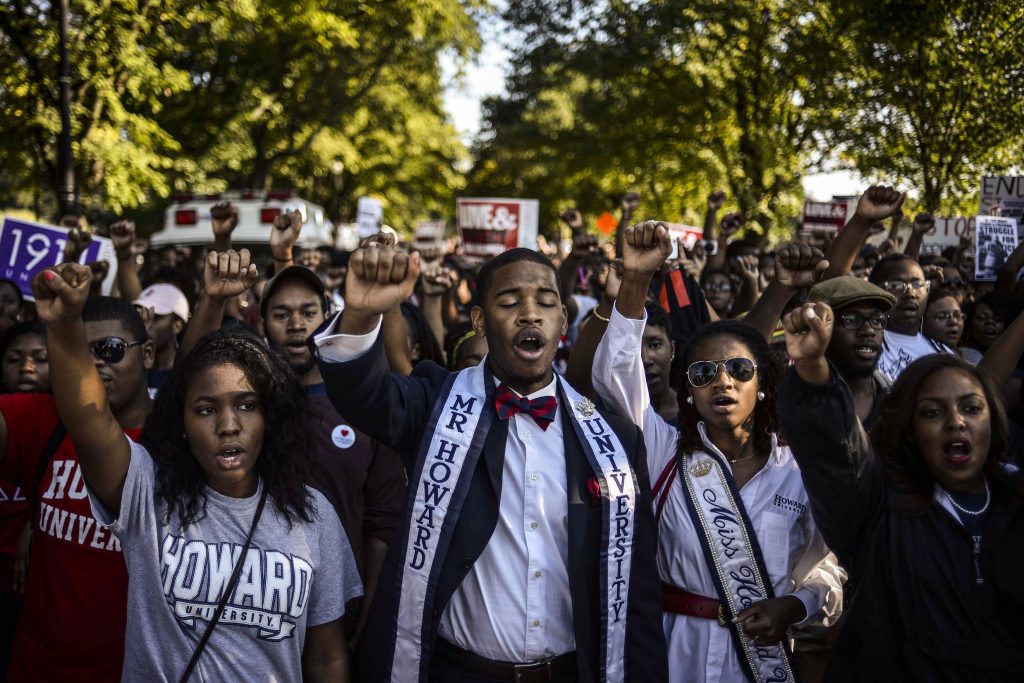
In recent years, due to the ongoing fight for racial equality and the intense political climate, HBCUs have become spaces where not only important conversations surrounding race occurred but also civil unrest has occurred as well. For generations of Black students who flock to the campuses every fall, they seek safety and camaraderie, especially at a time where there is so much social, political, and cultural isolation.
Drs. Patricia Green-Powell and Adriel A.Hilton, in their 2024 article for The EduLedger, “Is the Future of Black Excellence and Tradition at Our HBCUs Secure?” writes, “The significance of HBCUs is still relevant today because many undergraduates are first-generation college students, and these institutions are imperative in providing a safe space for students of color to learn, explore their identities, develop their passions, and become leaders by their own achievements.”
Despite the violence and the consequences of the recent election, HBCUs continue to preserve the richness of the legacy and culture of the Black experience in the United States.