






Black Press Legacy Echoes on the Anniversary of Douglass’ Historic Launch
As we sit on the anniversary of the December 3rd launch of “The North Star,” Frederick Douglass’ anti-slavery newspaper, printed in Rochester, New York. Douglass understood something too many still overlook today: That if Black people wanted their truth told, they would need their own printing press, in their own hands.
Twenty years before The North Star, the first African American publication in the United States, Freedom’s Journal, had already carved a path. Founded in 1827 by Samuel Cornish and John B. Russwurm in New York City, that weekly paper was the first to be fully owned and operated by African Americans. It existed for one core purpose: to challenge the racist caricatures and pro-slavery narratives dominating the mainstream press.
Inside were international dispatches, editorials, biographies, community announcements, births, deaths everything the white press refused to print about Black life. That publication set a precedent for a Black press that would grow into thousands of papers across the country.
Douglass built on that foundation. After escaping slavery and becoming one of the sharpest voices of the 19th century, he founded The North Star that was published from 1847 to 1851. It was four-page weekly at a cost of $2 a year.
The North Star reprinted a wide variety of news, documents, and reader correspondence on every facet of slavery and antislavery.
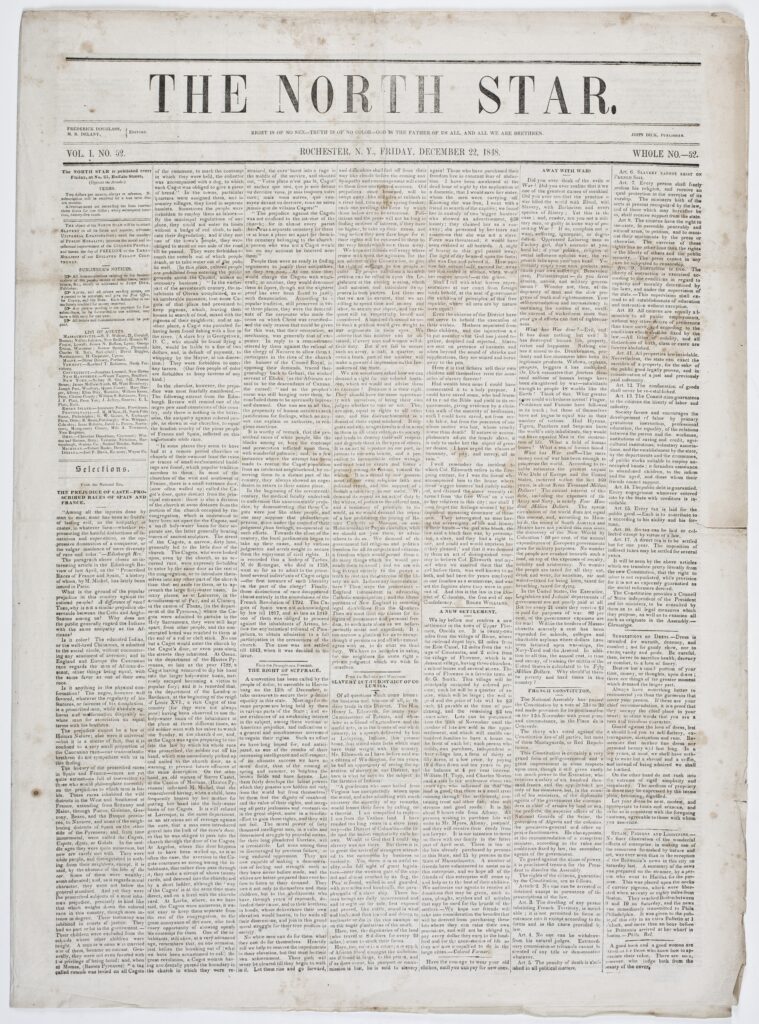
The title referred to the bright star, Polaris, that helped guide those escaping slavery to the North. From its earliest days, the paper pushed for abolition, for Blacks to be politically active, women’s rights, education, Black self-improvement, and universal equality. From its beginning, the motto of The North Star proclaimed:
“RIGHT IS OF NO SEX–TRUTH IS OF NO COLOR–GOD IS THE FATHER OF US ALL, AND ALL WE ARE BRETHREN.”
The North Star came to the defense not only of persecuted African Americans but also of Native Americans, the Irish, and members of other immigrant groups.
Today, Black-owned media outlets still tell the stories mainstream institutions ignore, distort, or sanitize. But their survival is under threat not from mobs burning printing presses, but from modern gatekeepers with boardrooms instead of torches.
Roland Martin, a political commentator whose digital network and daily show have become the largest independently Black-owned news platforms operating today, has been frank about the stakes. On the seventh anniversary of his show “Roland Martin Unfiltered,” he described the climate as an all-out offensive on Black media. Fueled by anti-DEI politics, collapsing ad revenue, and new forms of censorship due to Trump and his administration.
“Corporate America has weaponized it,” Martin said, warning that major advertisers are backing away from Black outlets in response .
Journalists, political commentators alike are feeling it too. The firing of Black columnists at major institutions like Karen Attiah from the Washington Post and the cancellation of Joy Reid’s show on MSNBC, “The ReidOut”, as part of a larger network shakeup has sparked warnings that the mainstream press is slipping backward.
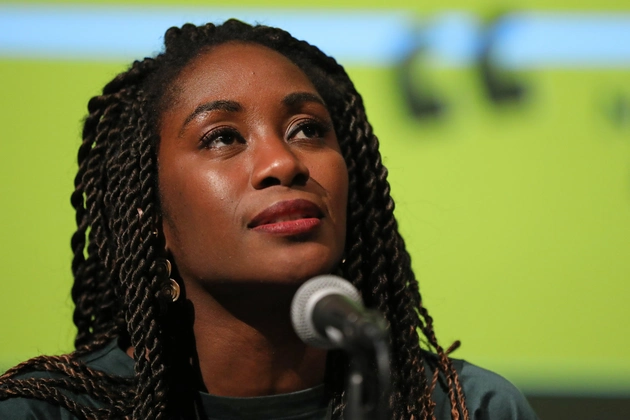
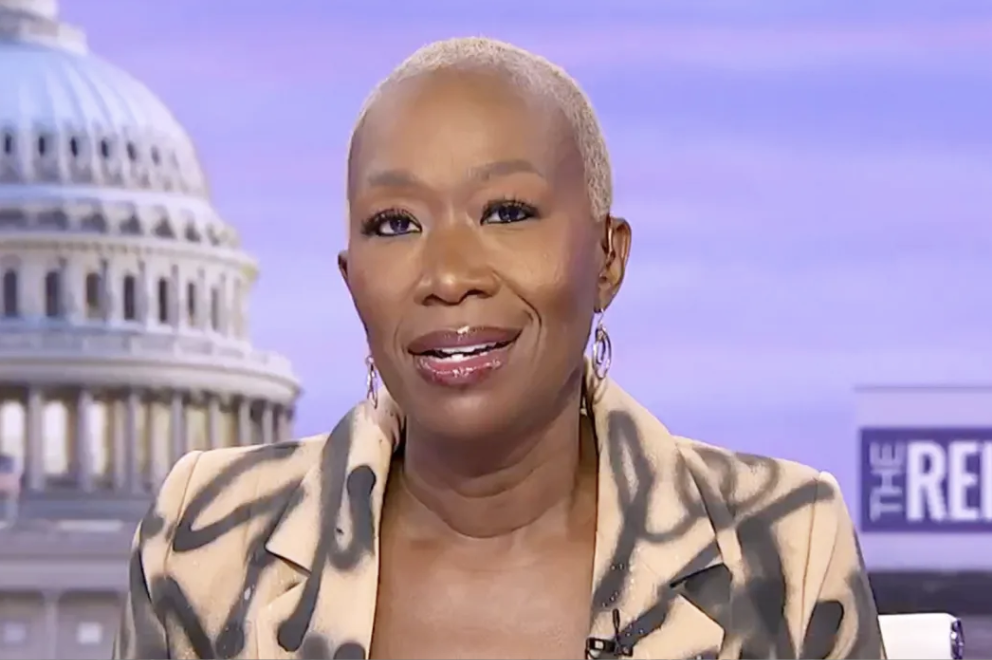
On The North Star’s anniversary, the parallels between 1847 and 2025 still hit hard. Douglass wrote that the publication was meant to be “the STAR OF HOPE.” Nearly two centuries later, Black journalists are still fighting to keep that light from going out.
Black-owned newspapers were created because mainstream publications would not accurately represent Black life. Nearly 200 years later, the existence of the Black press still answers the same crisis.
What Douglass, Russwurm, Cornish, and so many others understood is the same thing The San Antonio Observer preaches today: independence is the only guarantee of truth.
And independence isn’t free. It takes readers. It takes investment. It takes people willing to understand that if Black-owned media disappears, it won’t be replaced, it’ll be erased.