





Survivors Left Waiting as Texas Loses $1.2M in Federal DNA Funding
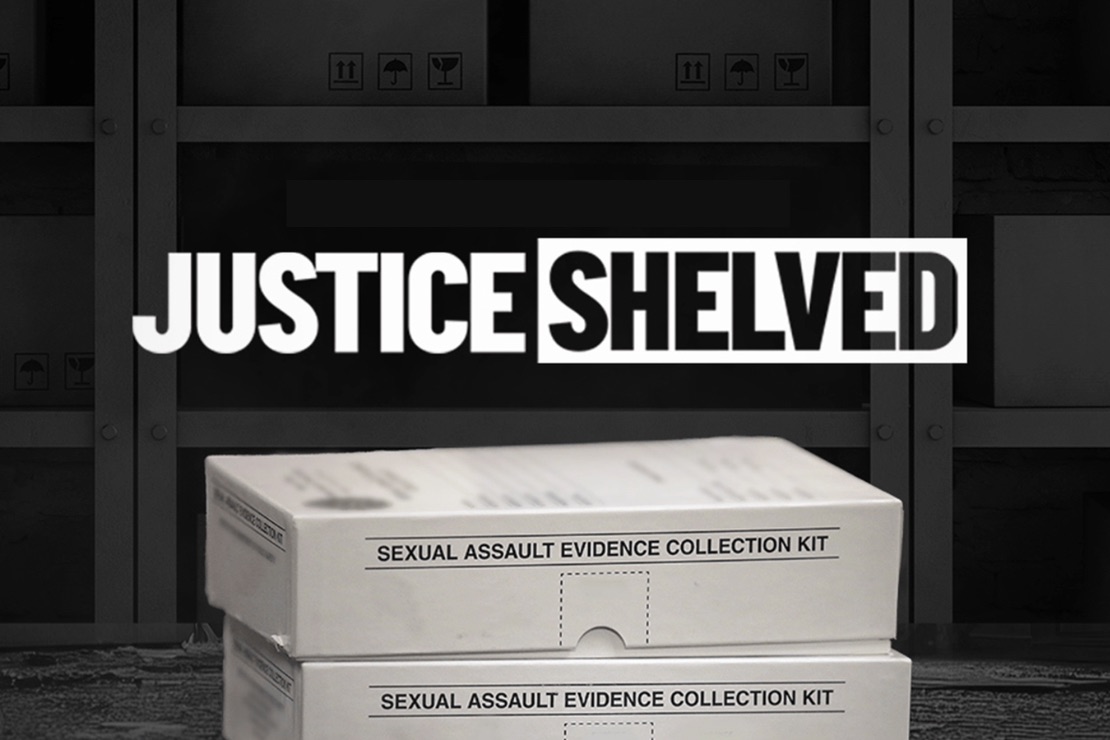
Texas is facing a crisis in how it handles sexual assault cases. In 2025, the U.S. Department of Justice cut a $1.2 million federal grant that helped Harris County process DNA evidence from sexual assault kits. This funding was essential for meeting the legal requirement to test kits within 90 days. Without it, cases could face long delays, leaving survivors waiting for justice.
Testing sexual assault kits quickly isn’t just a box to check in the legal process—it’s a lifeline for survivors and a cornerstone of justice. When DNA testing gets delayed, evidence can lose its strength, trials get pushed back, and survivors are left waiting in limbo. In Harris County, that backlog could grow fast without federal support, setting off a ripple effect that slows down investigations, drags out prosecutions, and chips away at the community’s trust in the system that’s supposed to protect them.
Funding Shortfalls: The High Cost of Cutting Support
The $1.2 million grant didn’t just pay for testing kits—it helped bring in trained forensic staff and buy the specialized equipment labs need to do the work right. Without that funding, there could be fewer people on the job, slower turnaround times, and not enough resources to give urgent cases the attention they deserve. Experts say that without steady support, years of hard-won progress in handling sexual assault cases could slip away, leaving local authorities once again struggling to keep up.
Behind every kit is a person whose life has been upended by violence. When testing drags on, the waiting only adds to the pain and can leave survivors feeling like the system has forgotten them. Families feel it too, carrying that same uncertainty and frustration. That’s why timely testing matters. It’s not only about building a case—it’s about dignity, safety, and making sure people know accountability will follow.
The Science of Justice
DNA testing has become one of the most important tools in solving crimes today. It can quickly connect suspects to cases, clear people who’ve been wrongfully accused, and even stop repeat offenders before they strike again. But when budget cuts slow down the process, that power is lost—leaving survivors waiting for justice and communities less safe. To keep the system working, we need steady investment in modern forensic technology and the people trained to use it.