






AT A GLANCE
- Falcons rookie pass-rush leader James Pearce Jr. was arrested near Miami following an alleged domestic dispute involving WNBA player Rickea Jackson.
- Pearce faces multiple felony charges, including aggravated battery with a deadly weapon, aggravated stalking, and fleeing police.
- His legal situation puts both his 2026 season and long-term future with Atlanta in question.
- The arrest complicates an already pivotal offseason for the Falcons’ new leadership.
High Draft Investment Now Under Scrutiny, Arrest Clouds Breakout Rookie Season
The Atlanta Falcons are facing growing uncertainty surrounding the future of rookie pass-rush standout James Pearce Jr. after his arrest Saturday night in South Florida, raising serious questions about his availability for the 2026 season and beyond.
Pearce was arrested near Miami after fleeing officers and crashing his vehicle following what police described as a domestic dispute involving Rickea Jackson, a forward for the Los Angeles Sparks.
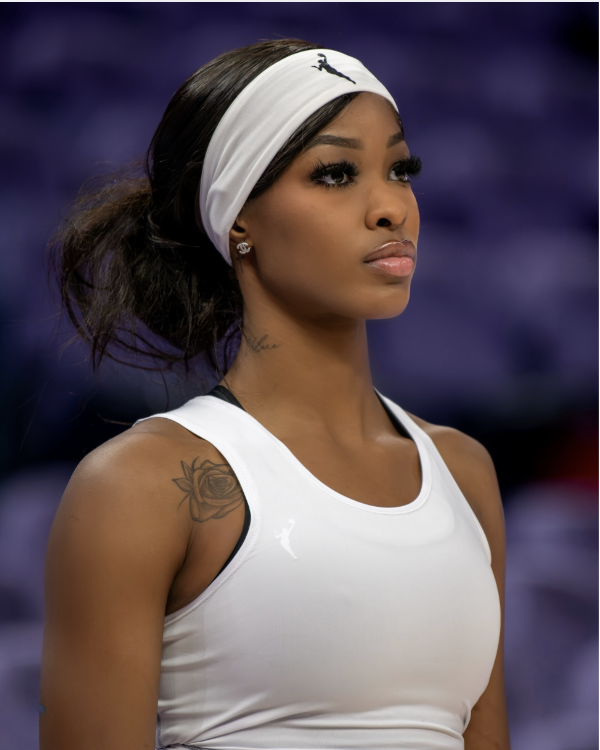
According to jail records, Pearce posted a $20,500 bond Sunday at the Turner Guilford Knight Correctional Center. He is facing multiple felony charges, including two counts of aggravated battery with a deadly weapon, aggravated stalking, and fleeing or eluding police. A pre-trial stay-away order was issued barring him from contact with Jackson.
Doral police were initially called to investigate a reported domestic dispute between a man and a woman. WPLG-TV in Miami later reported that Doral Police Chief Edwin Lopez confirmed the individuals involved were Pearce and Jackson.
The arrest places the Falcons in a difficult position after Pearce delivered one of the most productive rookie seasons in franchise history. The former Tennessee star led Atlanta with 10½ sacks, setting a Falcons rookie record and anchoring a dramatically improved pass rush. Despite finishing 8–9 and extending the franchise’s losing streak to eight consecutive seasons, Atlanta’s defense took a major step forward, recording a team-record 57 sacks after managing just 31 the year before.
The situation is further complicated by Atlanta’s heavy draft investment in Pearce. The Falcons traded their 2026 first-round pick to the Los Angeles Rams to select him with the No. 26 overall pick, shortly after using the No. 15 pick on Georgia linebacker and edge rusher Jalon Walker. The moves reflected a clear commitment to rebuilding a long-struggling pass rush, now clouded by Pearce’s legal troubles.
Pearce’s arrest also lands amid a major leadership transition in Atlanta. After the losing season, the Falcons dismissed head coach Raheem Morris and general manager Terry Fontenot. The franchise is now led by head coach Kevin Stefanski, general manager Ian Cunningham, and president of football operations Matt Ryan, all of whom now face an offseason complicated by uncertainty at a key defensive position.
Before the arrest, Stefanski had spoken optimistically about pairing Pearce with Walker on the edge next season. “Very, very talented young men, excited to coach both of them,” Stefanski said recently, noting discussions with defensive coordinator Jeff Ulbrich about how to deploy the duo.
The Falcons acknowledged Pearce’s arrest in a brief statement Saturday night, saying the team was aware of the situation and gathering more information, but would have no further comment on an open legal matter.
Concerns about Pearce’s character and off-field issues had followed him into last year’s draft, with some speculation that those questions contributed to his slide out of the top 15. Morris later said the decision to trade a future first-round pick for Pearce was made collectively by team leadership, including owner Arthur Blank, and defended the move after Pearce’s breakout season.
Fontenot previously emphasized that the Falcons conducted extensive background checks before drafting Pearce, saying the organization was thorough in evaluating whether he would fit the team’s culture. Now, with serious charges pending, that evaluation is under renewed scrutiny as the Falcons weigh Pearce’s future and the broader implications for a defense built around his emergence.