





AT A GLANCE
- Israel and Hamas accepted the first phase of a Trump-backed peace plan after two years of war.
- The deal includes the release of 20 Israeli hostages for nearly 2,000 Palestinian prisoners.
- Mediator Qatar confirmed both sides agreed to mechanisms for a Gaza ceasefire and aid access.
- Details remain uncertain on Gaza’s governance and whether Hamas will demilitarize.
Israel, Hamas Agree to First Phase of Gaza Peace Plan, Allowing Release of Hostages and Prisoners
Israel and Hamas have agreed to the first stage of a U.S.-brokered peace plan aimed at ending the two-year war in Gaza, releasing hostages, and pausing military operations. The preliminary deal—announced late Wednesday by President Donald Trump and confirmed by Israel, Hamas, and mediator Qatar—marks the first tangible breakthrough in months of diplomatic gridlock.
Hostage and Prisoner Exchange to Begin This Weekend
Trump declared on Truth Social that “ALL of the Hostages will be released very soon,” adding that Israeli forces would pull back to “an agreed upon line” as part of the first phase. Israeli officials told Reuters that the release of hostages could begin Saturday, while Trump suggested it could happen “probably Monday.”
Under the plan, about 20 Israeli hostages will be freed in exchange for nearly 2,000 Palestinian prisoners. Qatari Prime Minister spokesperson Maged al Ansary said both parties had reached agreement on “all terms and mechanisms for implementing the first phase of the Gaza ceasefire agreement,” adding that humanitarian aid will be allowed to flow into Gaza.
Netanyahu, Hamas Praise Deal—For Different Reasons
Israeli Prime Minister Benjamin Netanyahu thanked Trump, calling the agreement “a diplomatic success and a national and moral victory for the State of Israel.” Meanwhile, Hamas released a statement crediting Qatar, Egypt, Turkey, and “the efforts of U.S. President Donald Trump” for facilitating what it described as a step toward “a definitive end to the war and a complete withdrawal of the occupation from Gaza.”
Despite the cautious optimism, key points of contention remain unresolved—chief among them Trump’s demand for Hamas to disarm and the future governance of Gaza.
A Fragile Peace Built on Political Uncertainty
Trump’s broader 20-point proposal, unveiled last month, envisions Gaza’s demilitarization and temporary rule by a “technocratic, apolitical Palestinian committee.” The framework echoes past U.S.-led efforts to stabilize the region but faces steep skepticism from both sides.
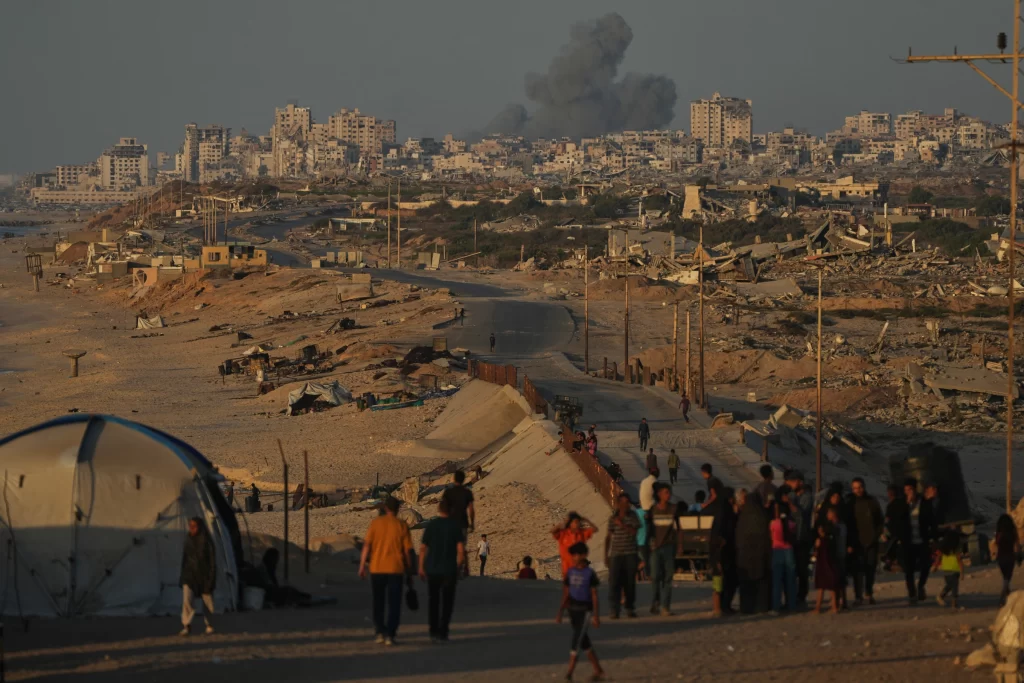
The war, which began in October 2023 when Hamas militants killed roughly 1,200 Israelis, has since left more than 67,000 Palestinians dead and devastated Gaza’s infrastructure.
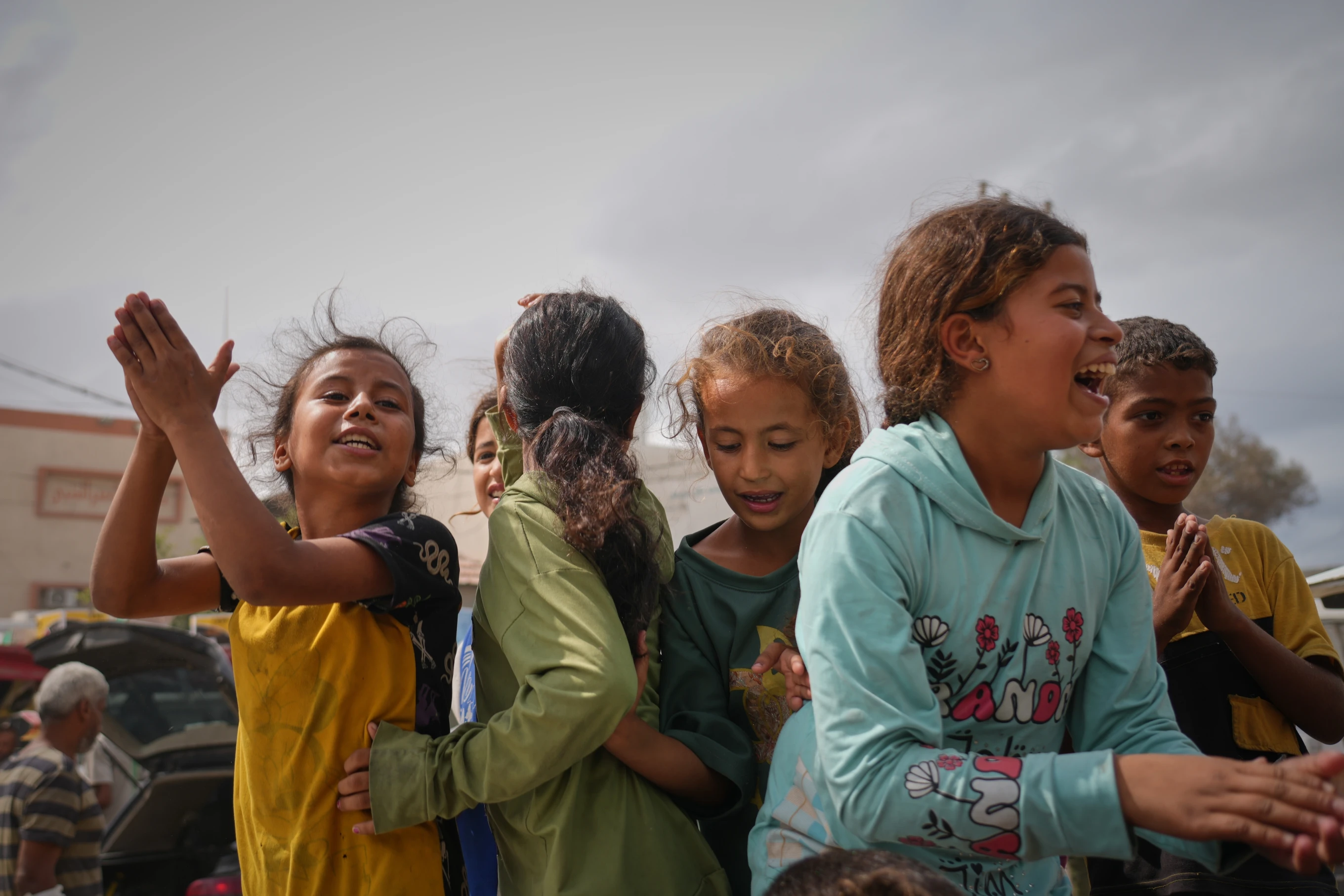
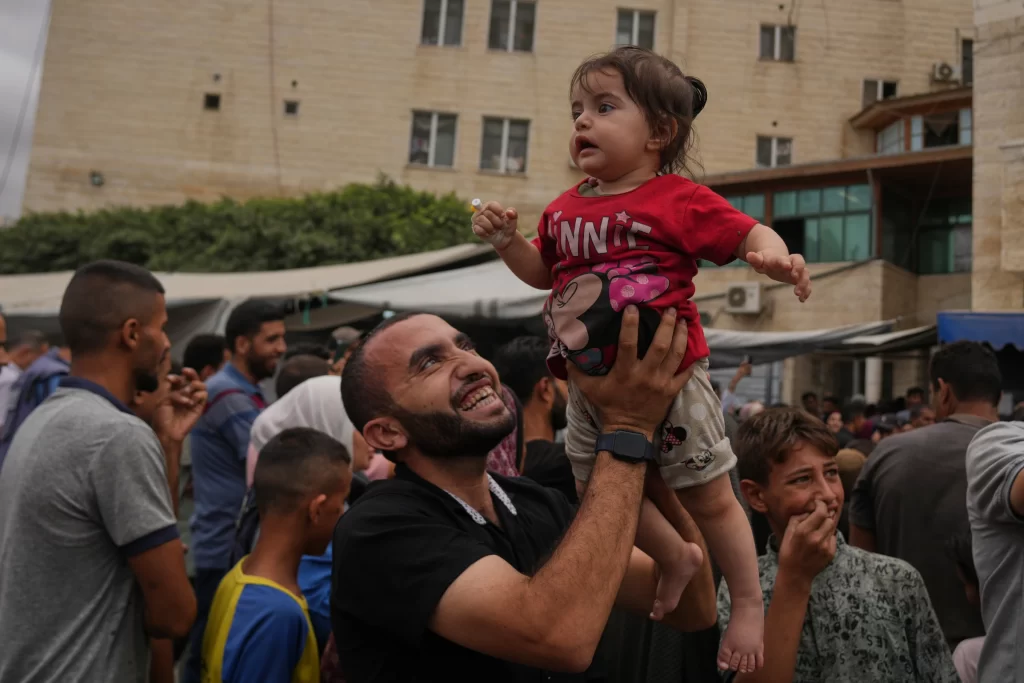
On Thursday, scenes of celebration emerged across both Gaza and Israel. In Khan Younis, Palestinians waved flags and embraced in the streets, while in Tel Aviv, families of hostages gathered at Hostages Square, popping champagne and holding each other in tears as news of the agreement broke.
Whether this tentative truce holds—or becomes another short-lived ceasefire—will depend on what comes next.