





How Race, Gender, and Class Intersect to Shape Justice Outcomes
In the American criminal justice system, outcomes are often discussed in terms of race, gender, or class. But research and data increasingly show that these factors do not operate in isolation. Instead, justice outcomes are shaped by intersectionality—the overlapping of multiple identities that can compound disadvantage at every stage of the system, from arrest to sentencing to incarceration.
The term intersectionality, coined by legal scholar Kimberlé Crenshaw, describes how systems of power interact to create unique forms of inequality. In criminal justice, this means that a person’s experience cannot be fully understood by examining race or gender alone. For many individuals—particularly women of color and LGBTQ+ people—those identities intersect in ways that heighten vulnerability to harsher treatment.
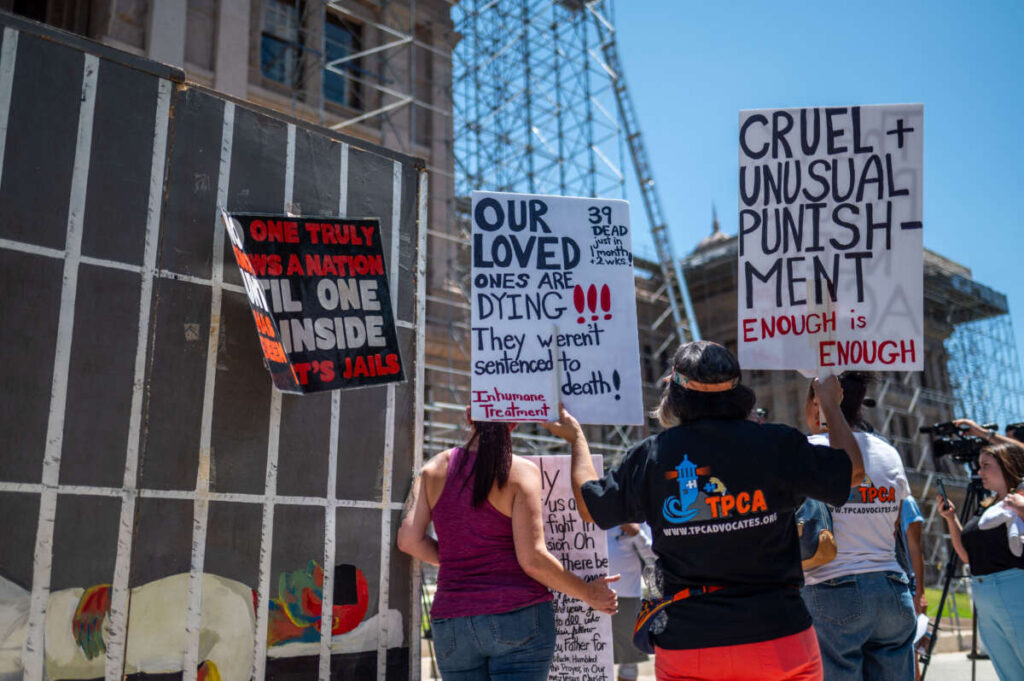
Statistics reveal the scope of these disparities. Although Black Americans make up about 12 percent of the U.S. population, they represent roughly one-third of the incarcerated population, according to data from the Bureau of Justice Statistics. When gender is added to the picture, disparities become even more pronounced. Black women are incarcerated at nearly twice the rate of White women, despite overall declines in women’s incarceration in recent years. These patterns suggest that race and gender together shape justice outcomes more powerfully than either factor alone.
Related: ”Not Sentenced to Life in Prison”- Failure of the Justice System
Socioeconomic status further deepens these inequalities. Defendants who cannot afford bail are more likely to remain in pretrial detention, which research shows increases the likelihood of conviction and longer sentences. Because people of color are disproportionately represented among low-income populations, poverty and race intersect to create a cycle of disadvantage that begins before a case even reaches trial.
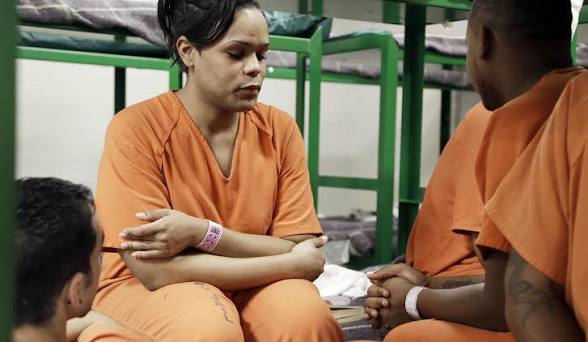
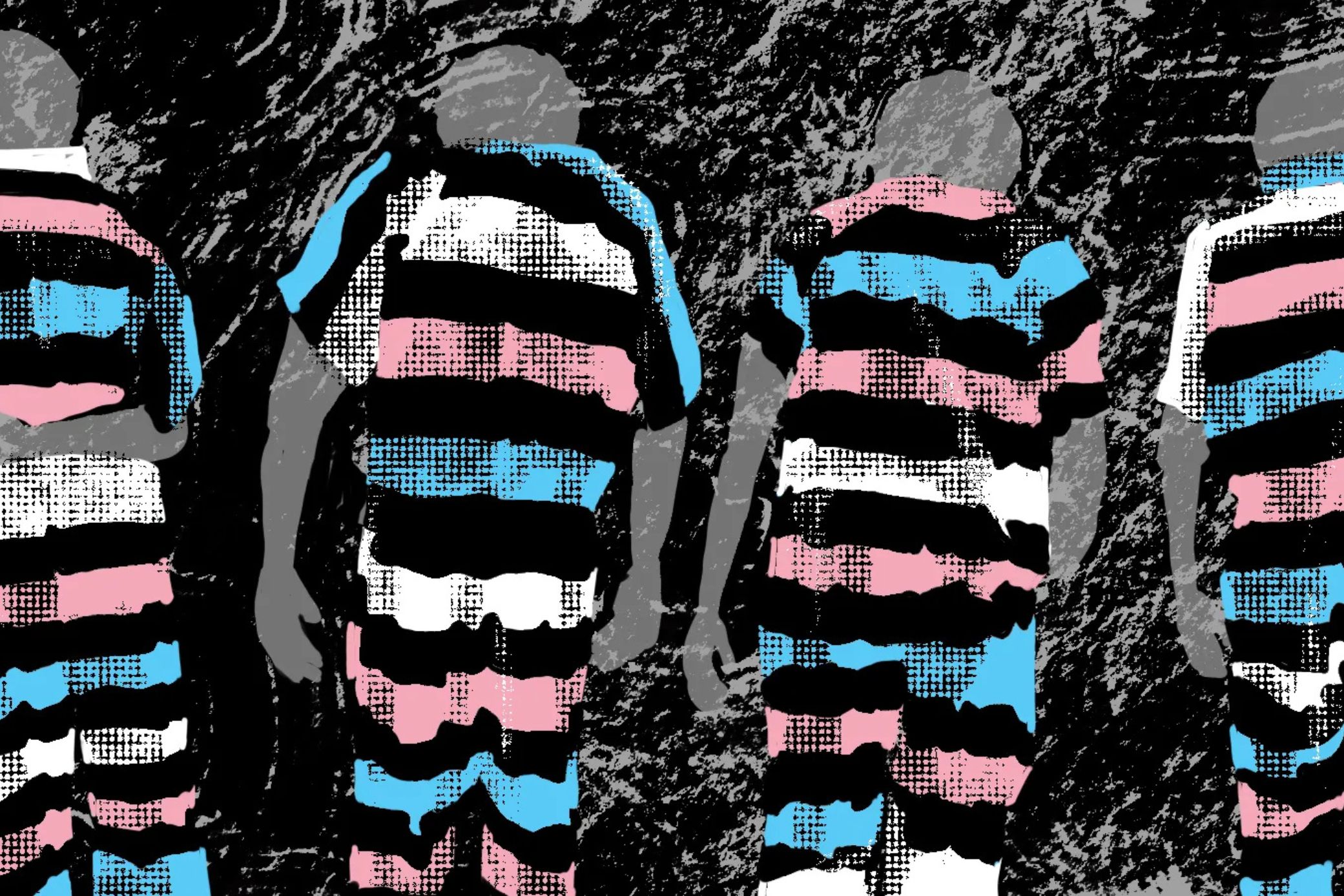
LGBTQ+ individuals—especially transgender people of color—also face disproportionate contact with the justice system. National surveys have found higher rates of police stops, incarceration, and victimization among LGBTQ+ populations compared to their non-LGBTQ+ peers. Inside correctional facilities, these individuals report elevated levels of harassment, violence, and isolation, compounding existing trauma.
The consequences of these intersecting disparities extend beyond incarceration. Individuals who face compounded discrimination are more likely to struggle with reentry due to barriers in employment, housing, and healthcare. For women of color, these challenges are often intensified by caregiving responsibilities and limited access to social services.
Failing to Consider Gender, Class or Sexuality
Experts argue that reform efforts that ignore intersectionality risk addressing symptoms rather than causes. Policies designed to reduce racial disparities may fall short if they fail to consider gender, class, or sexuality. As a result, calls for justice reform increasingly emphasize data-driven, intersectional approaches that recognize how overlapping identities shape lived experiences within the system.
Understanding intersectionality is not just an academic exercise—it is essential to creating a criminal justice system that delivers fair and equitable outcomes for all.