





Federal Authorities Launch New Year With Expanded ICE Arrests of Violent Offenders
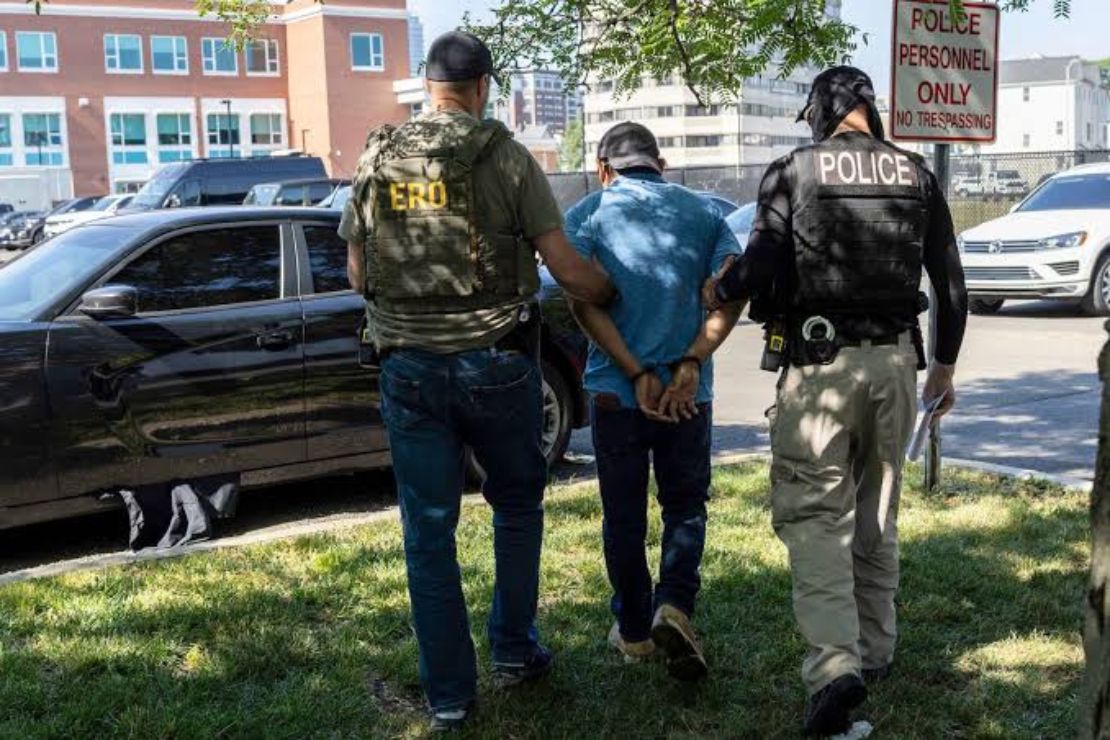
In the first days of 2026, U.S. Immigration and Customs Enforcement (ICE) announced a fresh round of nationwide arrests targeting what the agency describes as the “worst of the worst” criminal illegal aliens living in the United States. The Department of Homeland Security (DHS) release on January 2 confirmed that the law-enforcement push includes individuals convicted of some of the most serious crimes, reinforcing the administration’s focus on public-safety priorities.
”Predatory Crimes”
According to the DHS announcement, ICE officers carried out operations in multiple regions to identify and detain non-citizens with histories of violent offenses, including sexual assault, murder, and fraud, among others. Those arrested as part of this effort were described in the government communication as having committed “predatory crimes,” and the department said that these actions demonstrate a continued commitment to arresting individuals the agency believes pose significant danger to communities.
DHS emphasized that this enforcement drive aligns with established immigration priorities: removing individuals who have criminal convictions or final orders of removal. Federal officials argue that focusing federal resources on individuals with the most extensive criminal records is intended to enhance public safety and support cooperative relationships with local law enforcement partners.

Targeting Felony Convictions
Supporters of the administration’s approach have pointed to the concentration on violent offenders as a way to uphold rule-of-law objectives, asserting that these arrests remove those most likely to re-offend or generate harm. They note that targeting felony convictions and aggravated crimes ensures that deportation efforts are directed at threats rather than administrative immigration violations alone.
Broader Community Impact of Fear
However, critics of aggressive interior enforcement warn that such operations can have broader community impacts, including fear among immigrant populations and strained relations between residents and law enforcement. Some recent reporting and legal challenges have highlighted that not all individuals detained in federal immigration operations have criminal histories, and that these raids sometimes sweep up people whose primary issue is an immigration violation rather than a violent offense.
ICE’s enforcement activities form part of a larger trend of increased interior immigration enforcement under the current administration, which has already seen heightened numbers of detentions and deportations in 2025. Advocates on both sides of the policy debate contend that the federal government must balance effective public-safety measures with transparency and due process for those affected.
As the year progresses, DHS and ICE have indicated they plan to sustain similar enforcement efforts — focusing on non-citizens with serious felony convictions — while emphasizing that such actions are necessary to protect American communities and uphold the integrity of the immigration system.