





Need to Knows
- “AI cleanup” is fueling new jobs as humans fix botched AI-generated writing, art, and code.
- Brands using AI, like Guess with its Vogue ad, have faced backlash from consumers.
- Artists and developers say AI outputs often require more work to fix than to start fresh.
- Freelance platforms report surging demand for human-led creativity despite AI hype.
Humans Are Being Hired to Make AI Look Less Sloppy
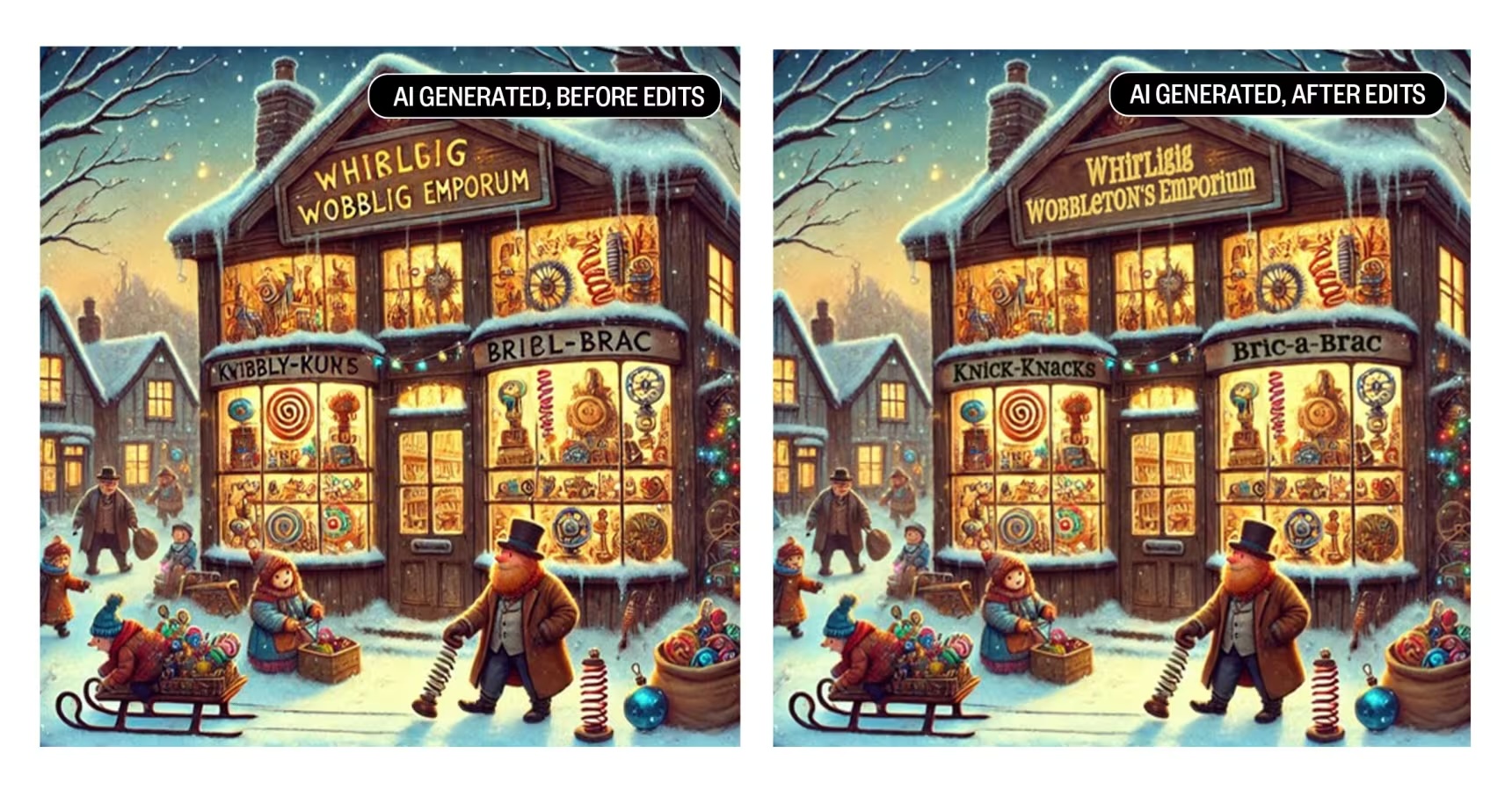
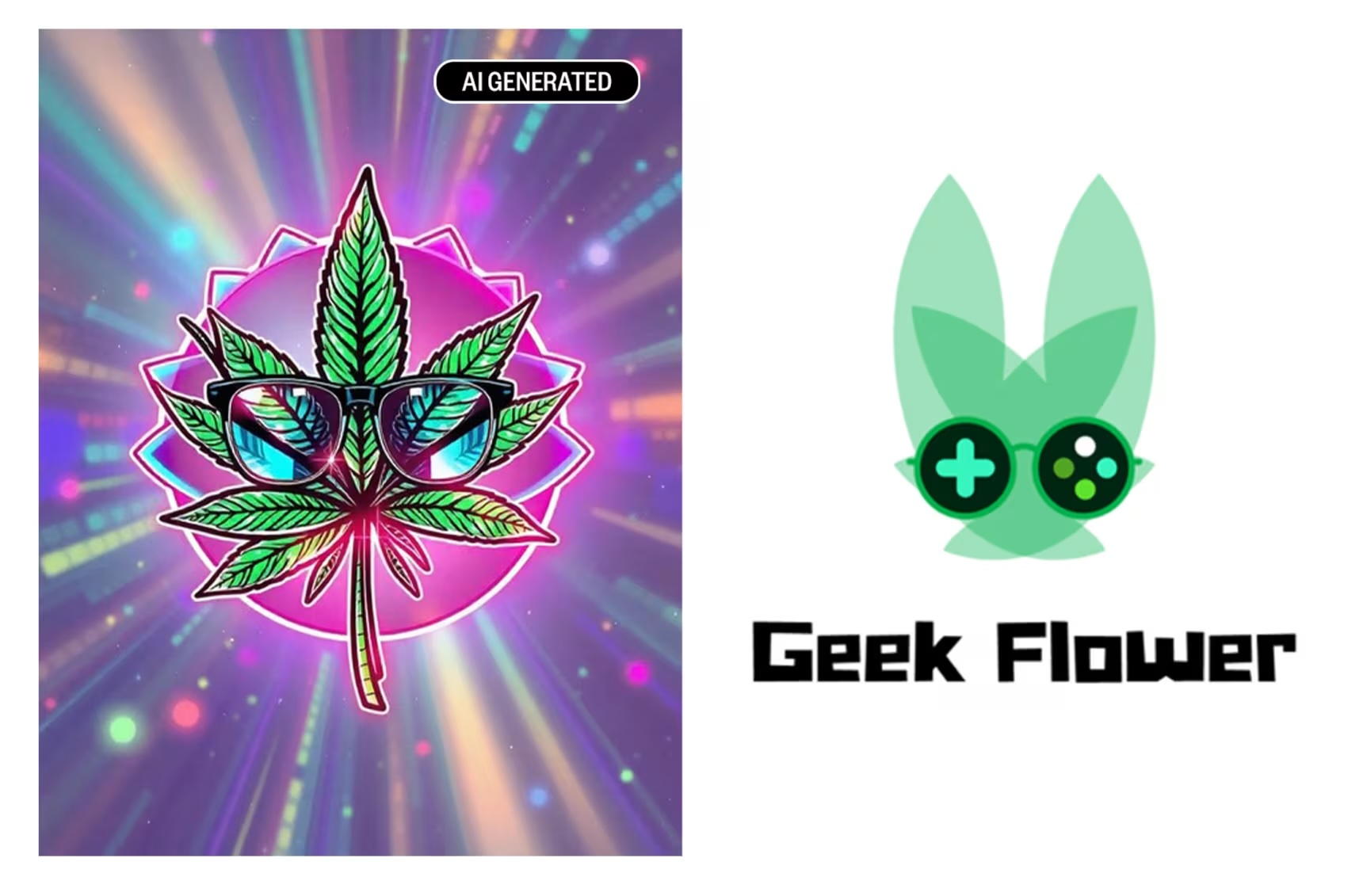
The automation revolution was supposed to gut creative industries, but it turns out machines are bad at art. That’s been good news for freelancers like Spain-based graphic designer Lisa Carstens, who is now busier than ever fixing clients’ failed attempts at AI logos. The files she receives are often riddled with warped text, crooked lines, and pixelated edges that fall apart at larger sizes.
“There’s people that are aware AI isn’t perfect, and then there’s people that come to you angry because they didn’t manage to get it done themselves,” Carstens said. “You don’t want them to feel like idiots. Then you have to fix it.”
Freelancers Step In Where AI Falls Short
What was supposed to be an extinction-level event for jobs has instead spawned a parallel economy: writers sprucing up ChatGPT’s lifeless copy, artists reworking distorted AI illustrations, and developers debugging apps that machine coders bungled.
A recent MIT study confirms the irony. While AI has displaced outsourced workers, 95% of generative AI corporate pilots have yielded no return on investment. The problem, researchers noted, is that most AI systems don’t learn, adapt, or actually get better over time.
Pay Cuts, Extra Work, Same Creativity
For freelancers, the gigs are survival more than dream jobs. Georgia-based writer Kiesha Richardson said roughly half of her workload now comes from rewriting AI-generated articles that “don’t look remotely human at all.” She said she often has to re-research topics, untangle awkward phrasing, and strip out AI’s repetitive tics, such as its obsession with em dashes and words like “embark” or “delve.”
Despite the labor, clients often expect to pay less, assuming it’s a simple touch-up job. “I am a bit concerned because people are using AI to cut costs, and one of those costs is my pay,” Richardson said. “But they can’t really do it without humans. They’re not getting the content they want.”
Consumers Reject AI Imitations
Brands themselves are learning the same lesson. Guess sparked outrage last month when it ran an AI-generated model in an ad in Vogue, drawing backlash online. Even when AI doesn’t produce glaring mistakes, many clients still want a human touch to stand out from the glut of machine-made content.
Florida illustrator Todd Van Linda said AI art is instantly recognizable, whether by its telltale inconsistencies or the “plasticine effect” that runs across different styles. “I can look at a piece and not only tell that it’s AI, I can tell you what descriptor they used,” he said. Independent authors, in particular, avoid it because “it’s so formulaic, it’s obvious. It’s like they stopped off at Walmart to get a bargain cover for their book.”
Van Linda said his work involves translating clients’ vague ideas into precise illustrations that capture the “vibe” of their stories. While some approach him to repair AI-generated art, he avoids those jobs now, saying they involve more work than starting fresh — and those clients rarely want to pay fairly.
Developers See Same Pattern in Tech
The problem isn’t just cosmetic. Harsh Kumar, a web and app developer in India, said many clients wasted their budgets on AI “vibe coding” tools that couldn’t deliver functional products. He’s been hired to fix unstable apps, rebuild faulty recommendation systems, and replace AI-powered customer service chatbots that leaked sensitive data.
“AI may increase productivity, but it can’t fully replace humans,” Kumar said. “I’m still confident that humans will be required for long-term projects. At the end of the day, humans were the ones who developed AI.”
Platforms Report Surging Demand for Human Touch
Job platforms confirm that “AI cleanup” is becoming its own industry. Fiverr reported a 250% jump in demand for niche creative gigs such as watercolor children’s book illustrations and Shopify web design. Freelancer has seen similar growth in emotionally driven work like speeches and branding.
“The fastest way to get dumped is to send a love letter written by ChatGPT,” said Freelancer CEO Matt Barrie. “It’s the same thing for brands. The market knows when something has been fully produced by AI, and there’s an immediate visceral reaction to it.”