





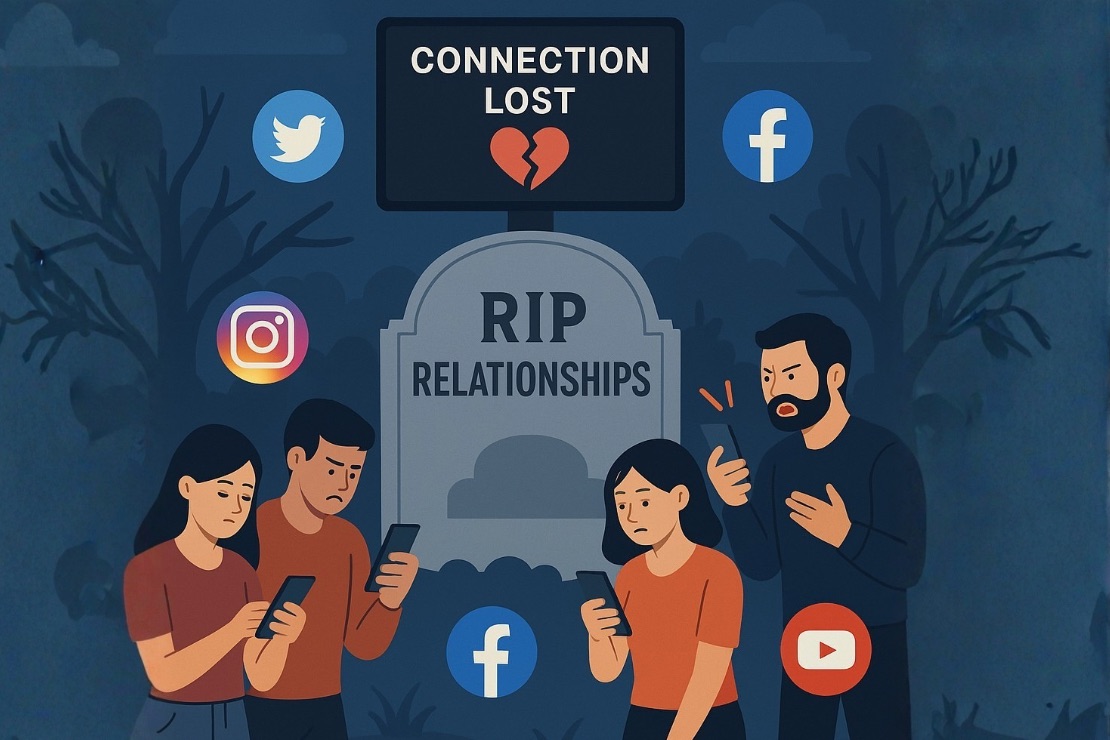
The Digital Information Era Raises New Concerns About Human Relevance and Connection
Humanity is in an era of questioning brought by anxiety around obsolescence. Obsolescence is the idea of something becoming obsolete and no longer needed. What does human connection look like in what is shaping up to be the golden era of the social network? What does information production and consumption look like in what is also shaping up to be a customer era shaped by instant gratification? More than a quarter of a century after the internet began the trajectory of becoming the information superhighway, now it has become an intricate amalgamation of infrastructures in Houston, New York, Dubai, Tokyo, and Johannesburg. It has become an information metropolis.
Information no longer goes through a monolithic lens. It is no longer monopolized by one network or one influencer. There are more sources of information outside what is considered traditional mainstream media. Writer Ian Youngs, in his 2025 article for BBC.com, “Social Media Now Main Source Of News In US, Research Suggests”, writes, “Social media and video networks have become the main source of news in the US, overtaking traditional TV channels and news websites, research suggests…More than half (54%) of people get news from networks like Facebook, X and YouTube – overtaking TV (50%) and news sites and apps (48%), according to the Reuters Institute.”
Due to the cultivation of a robust streaming ecosystem, content can be curated through a multitude of channels and many times there is cross platform dialogue. These channels include YouTube, Netflix, Hulu, TikTok, Instagram, X, and more. With TikTok being one of the top social media platforms among Gen Z media consumers. Due to this rise, consumers are viewing multiple things, hearing multiple voices, and that multitude is then magnified by the algorithm.
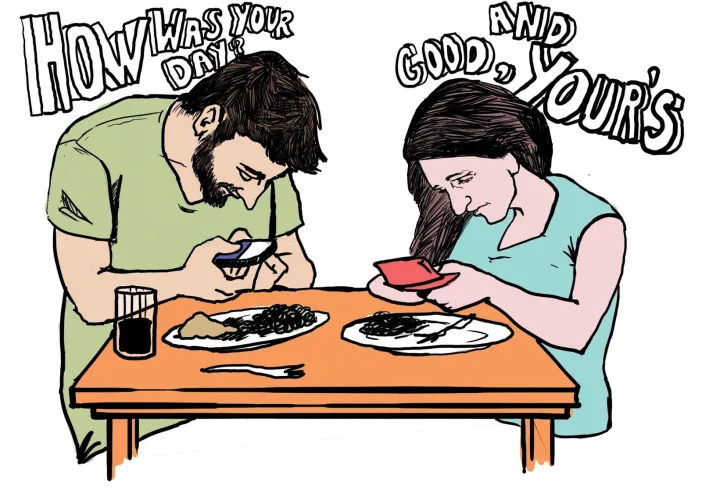
Writer Rachel Metz, in her 2021 article for CNN Business, “Algorithms Are Everywhere. Here’s Why You Should Care”, writes, “the ways in which algorithms work, and the conclusions they reach, can be mysterious, particularly as the use of artificial intelligence techniques make them ever more complex. Their outcomes aren’t always understood, or accurate — and the consequences can be disastrous. And the impact of potential new legislation to limit the influence of algorithms on our lives remains unclear.”
Is humanity more or less connected outside of these curated networks? Does the human bond transcend cultural, social, and political containment? That is largely to be seen and dissected as legislation, funding, and cultural commentary continue to shape and influence how not only information is perceived and received, but also how it is documented and archived.