





Hulk Hogan’s Death Reignites Complex Legacy for Black Wrestling Fans
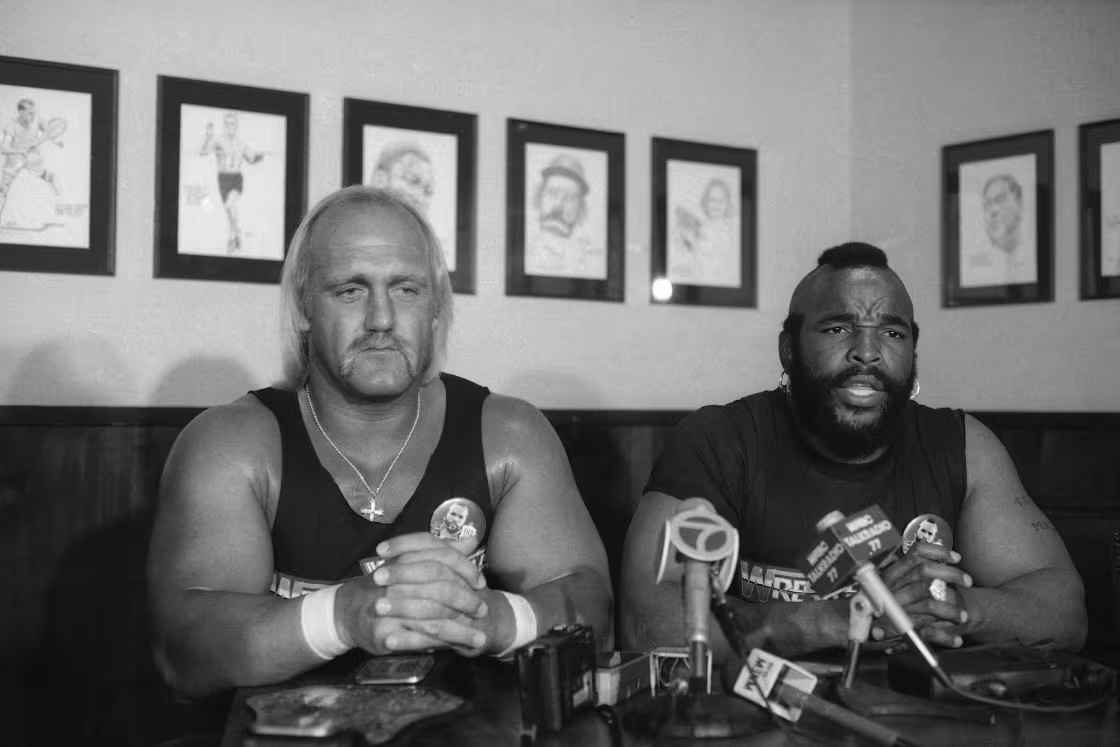
For generations of wrestling fans, Hulk Hogan was a larger-than-life figure. His American flag-draped charisma, catchphrases, and in-ring dominance made him one of the most recognizable stars in the world. But in the days following his death at 71, a complicated truth has resurfaced—especially for Black fans: Hogan was both a childhood icon and a man whose racist remarks left a lasting scar.
Kazeem Famuyide, a longtime wrestling commentator and former WWE writer, remembers watching Hogan with his father at age three. “He was a superhero to a lot of people, including myself,” said Famuyide, who co-hosts The Ringer Wrestling Show.
But for Famuyide and others, the admiration eventually gave way to discomfort. “You never really got the feeling that Hulk Hogan truly felt remorse,” he said.
A Public Divide Reflects Deeper Tensions
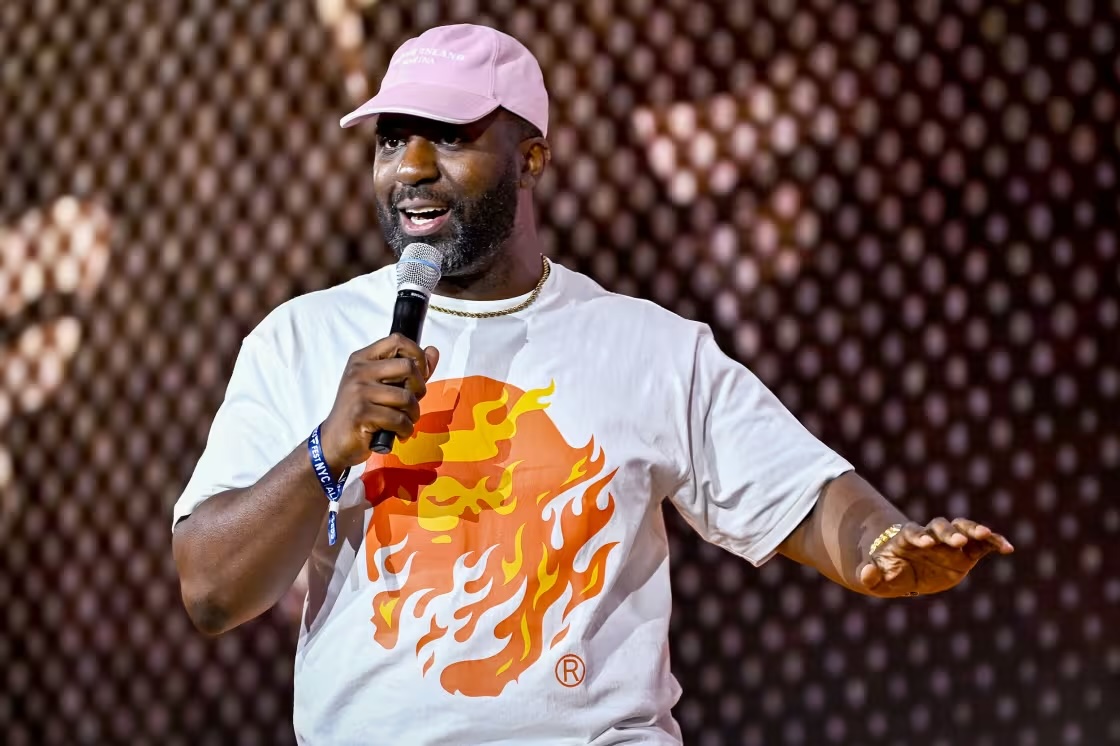
Podcast host Bomani Jones captured the mood on The Right Time, saying Hogan’s death “was never going to be one where people mourn quietly.”
For some, Hogan’s accomplishments are undeniable. From main-eventing Wrestlemania to landing brand deals and TV shows, he shaped the commercial rise of professional wrestling. Dwayne “The Rock” Johnson, himself a cultural icon and son of trailblazer Rocky Johnson, posted a heartfelt tribute. “You sold out every arena and stadium across the country,” he wrote.
But others focused on what Hogan represented off-camera.
In 2007, Hogan was recorded using a racial slur multiple times while describing his daughter’s Black ex-boyfriend. “I am a racist, to a point,” he said, according to the transcript. He apologized and called the comments “unacceptable,” but the damage had been done.
Beyond Apologies: The Political Undertones
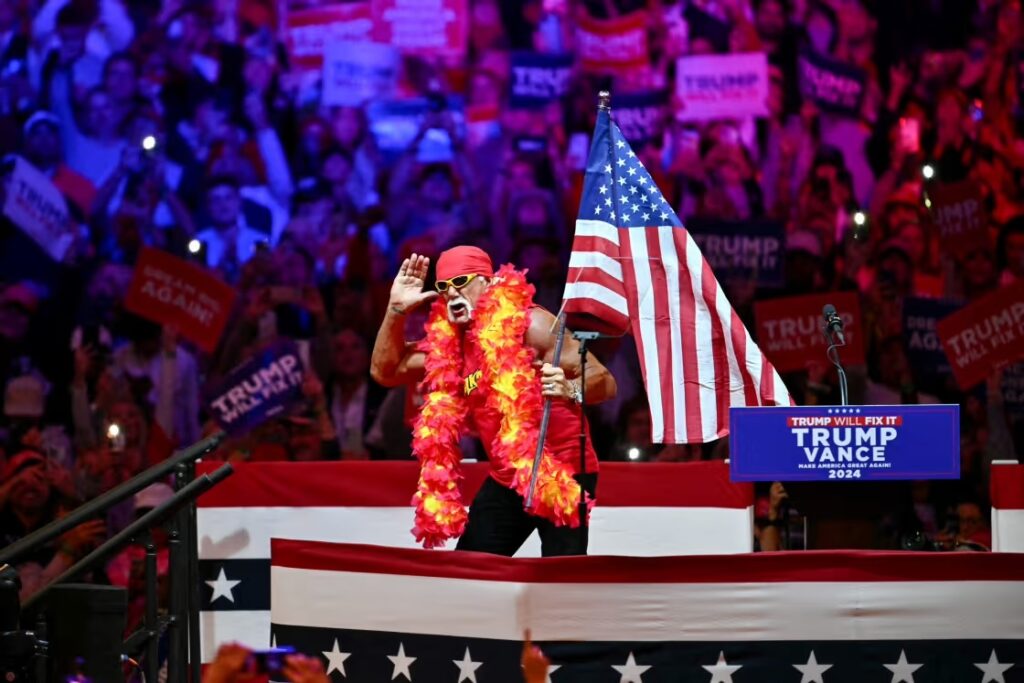
Hogan’s ties to Donald Trump, whom he publicly endorsed and befriended, only added to the unease.
Jones noted the disconnect: “It’s one thing to get caught on tape saying these things in private. It’s another thing to publicly align with causes many Black people feel are directly harmful to us.”
Wrestling’s Ongoing Reckoning with Race
For many Black fans, the conversation isn’t just about Hogan—it’s about how professional wrestling has long handled race.
Writer Lyric Swinton, who became a wrestling fan at 8, calls the sport “the most nuanced and colorful form of storytelling.” Yet, she and others have watched the industry wrestle with racist tropes, limited representation, and contradictions in how stars are celebrated—or forgiven.
While wrestlers like Booker T, Jazz, Mark Henry, and others made history, their paths were often more challenging than their white counterparts. Hogan’s death, for many, reopened the tension between nostalgia and harm—the deep love for wrestling and the painful moments within it.