





Literary and Cinematographic Racists: A Historical Look at Racism in Film and Culture
According to scholars Elizabeth and Stuart Ewen, King Kong is the savage beast from the dark place that desires a white civilized woman. We know about that type of racism! The old racial stereotype of a dark savage beast enamored to a white woman against her will is central to the premise of the movie, which has been remade several times. By the end of King Kong, white civilization triumphs as the creature climbed to a high point with a beautiful white woman in tow, only to be killed. According to the authors, “King Kong was Adolf Hitler’s favorite film, for its outlook and assumptions were part and parcel of the belief system that gave credence to German fascism.” Of course nowadays, we have The Lion King and Shrek, which rely on characters with jive Black dialects. In The Lion King, there are the dark places. Scar is an evil lion with dark mane, and evil hyenas talk in a black dialect and are made to look ignorant. All of this racism is reinforced daily in one form or another.
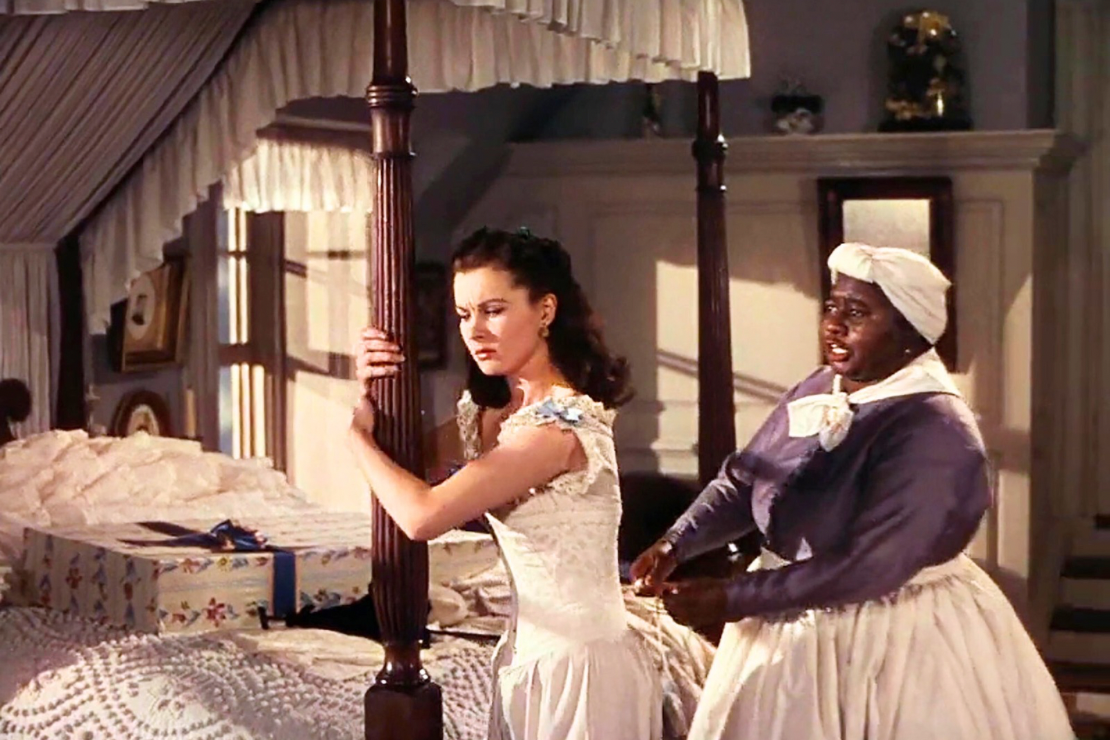
American society has been bound by racism in thousands of systematically arranged images and structures that have infused American minds with the unconscious trappings of white supremacy. Racism is found in song, dance, art, film, and even cartoons. The movie classics are filled with racist stereotypes, from Birth of a Nation to the 1933 classic King Kong. Gone with the Wind is probably the most racist film that was produced because it sympathized with the slave owners. Many films were filled with servile Black mammies and butlers. Those of us who grew up in the 1950s and 1960s, saw TV programs with nothing but white actors. These American apartheid programs reinforced the idea that blacks and people of color were not fit to be viewed in the company of whites. Even when blacks were present, they were made to look ignorant.
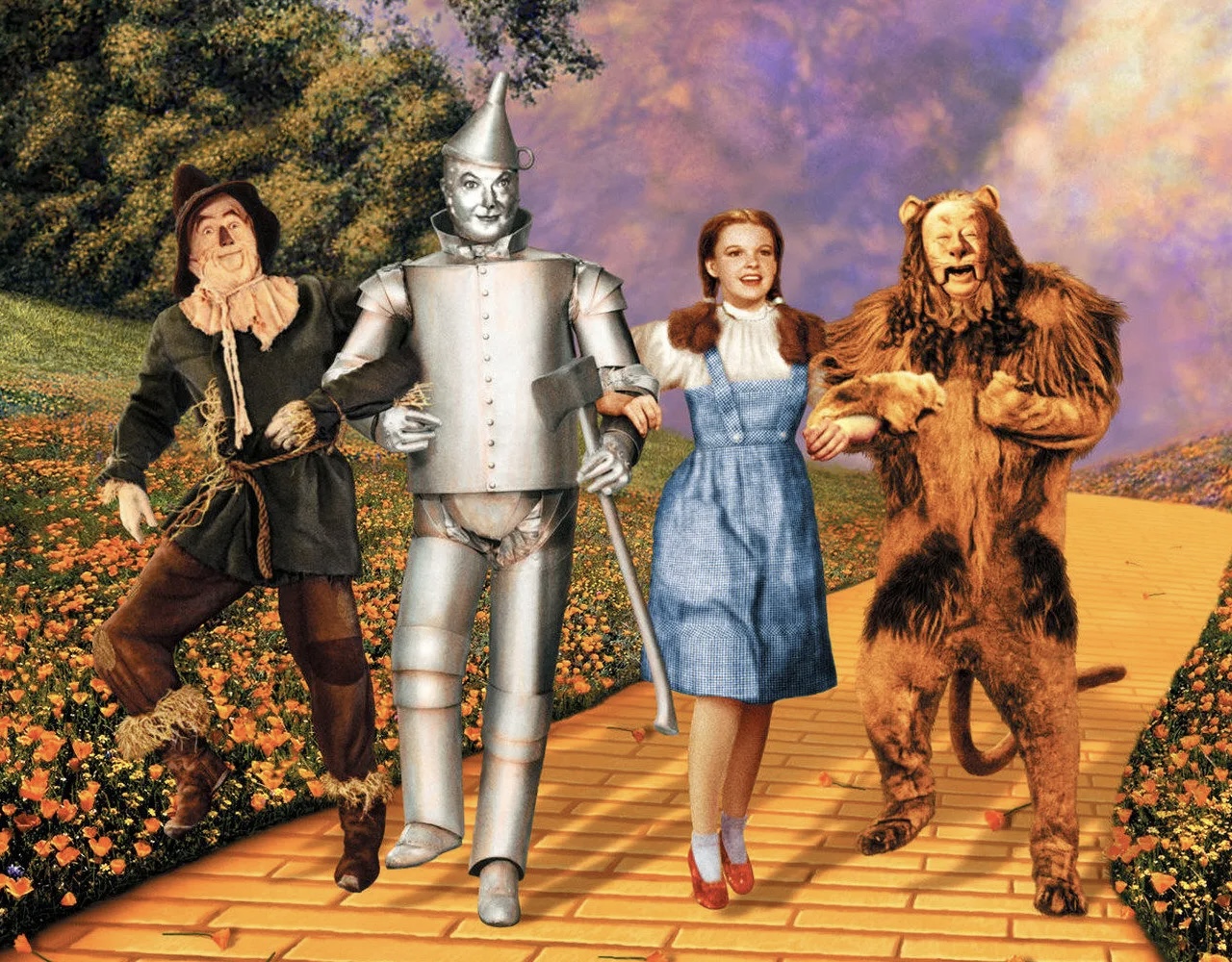
In the late 1800s, the Wizard of Oz used racism without people even knowing it. The book was written by L. Frank Baum, who wrote racist editorials in a South Dakota newspaper, actually calling for the genocide of Native Americans. It is widely accepted that the monkeys which are the troops for the wicked witch in the story and later in the film, are the symbolic representation of Native Americans. Many believe that L. Franks Baum’s genocidal rants in his newspaper writings led to the Wounded Knee massacre of 1890. One of the most racist quotes about the Sioux People by the Wizard of Oz writer was this: “With his fall the nobility of the Redskin is extinguished, and what few are left are a pack of whining curs who lick the hand that smites them. The Whites, by law of conquest, by justice of civilization, are masters of the American continent, and the best safety of the frontier settlements will be secured by the total annihilation of the few remaining Indians.” Why not annihilation? Their glory has fled, their spirit broken, their manhood effaced; better that they die than live the miserable wretches that they are…. We cannot honestly regret their extermination, . . . (Saturday Pioneer, December 20, 1890).
The long legacy of slavery in America left horrible political and social birthmarks in the minds of millions. Slavery was the vehicle by which the institution of white supremacy sought to control the status of Black people through social and economic exploitation. In doing so, they hammered into the minds of millions white supremacy and the false concept of Black inferiority.