






NCCU Grad Student Kaya Peyton Took Her Studies Beyond the Classroom to Help Puerto Rico Prepare for Future Disasters
Kaya Peyton, an environmental science graduate student at North Carolina Central University (NCCU), spent her summer on the ground in Puerto Rico, collecting real stories from residents still rebuilding after Hurricane Maria. She’s not just writing a paper — she’s helping map out a more resilient future.
Why It Matters: HBCUs don’t just teach the material — they live the mission. And Kaya’s out here putting community care on the global map.
Fieldwork Rooted in Real Lives
Peyton, an online student based in Columbia, Maryland, traveled to the community of Cabachuelas to document how residents recover from natural disasters. She interviewed locals who shared powerful accounts of survival and strength, often in the face of limited federal support.
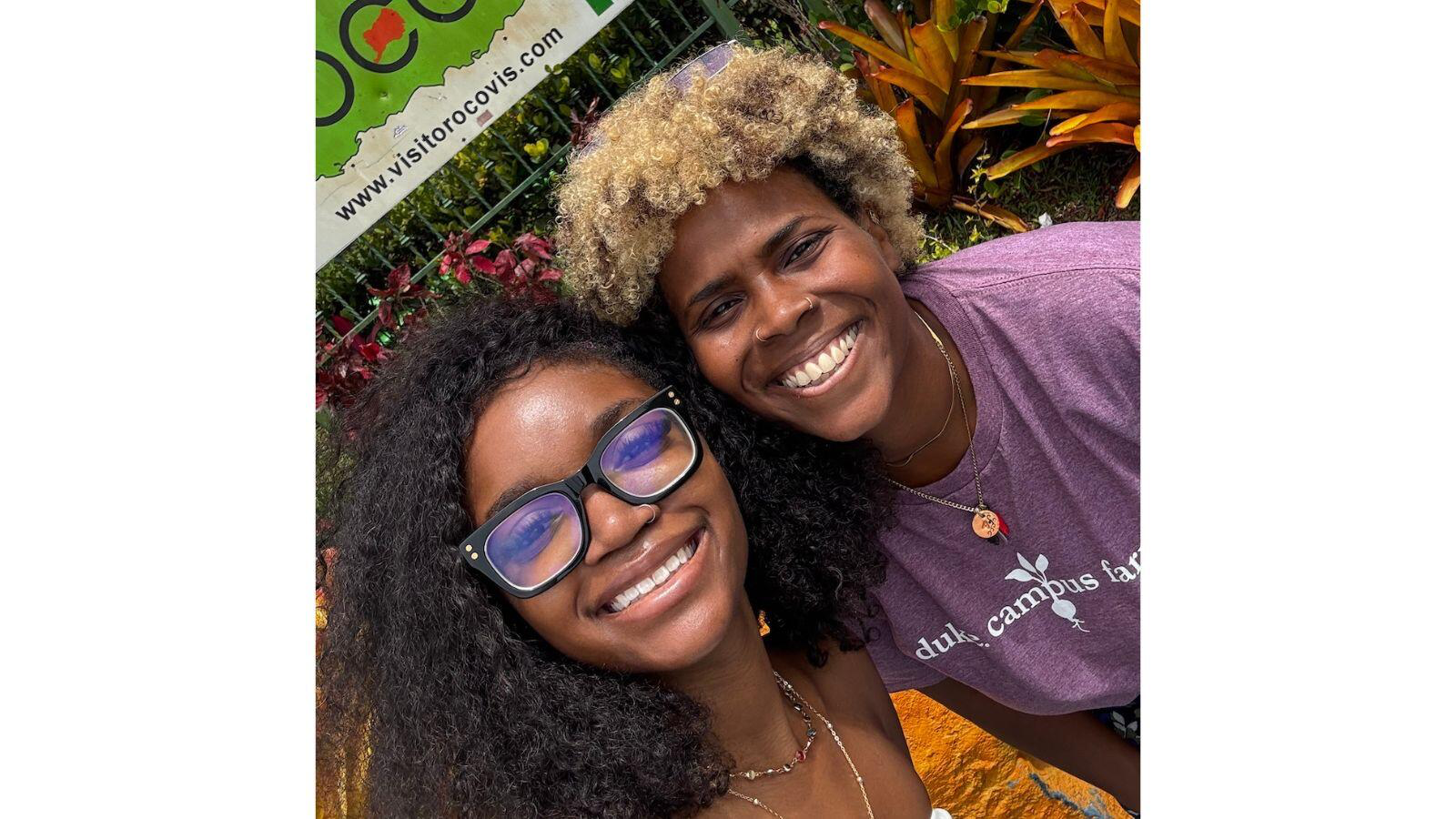
She was accompanied by her academic mentor, Dr. Anais Roque, an environmental social scientist at Duke University’s Nicholas School of the Environment. Roque also served as translator and research partner throughout the trip.
“I study how households and communities respond in the wake of emergencies and disasters,” Roque said in a Zoom call from Puerto Rico.
Hurricane Maria’s Lingering Impact
Puerto Rico, an unincorporated U.S. territory, has faced a series of devastating climate events in the past decade. Hurricane Maria in 2017 remains one of the worst, leaving behind the longest power outage in U.S. history.
“There were issues with water access, food quality, and access,” Roque said. “An estimated 4,000 people died. Recovery has been slow.”
Peyton recalled one resident’s story: the floodwaters were so high that people used a refrigerator to float to safety. Others described lost livestock, damaged homes, and blocked drainage systems.
“They are deeply rooted in helping each other,” Peyton said. “Even though they are a U.S. territory, they don’t get the same benefits as here.”
Community, Culture, and Connection
Despite not speaking Spanish, Peyton said the community’s warmth left a lasting impression. “An older lady made us food, a traditional dish with cheese and ground beef,” she said. “That was really nice.”
From Research to Resilience
Peyton’s next step is to turn her research into action. She plans to provide Puerto Rican communities with a list of organizations and agencies that can assist in disaster preparedness and recovery. Her final project will include a geographic information system (GIS) map to help visualize challenges and identify sustainable solutions for future emergencies.
Through her work, Peyton embodies the heart of HBCU education — turning learning into leadership and compassion into impact.