





AT A GLANCE
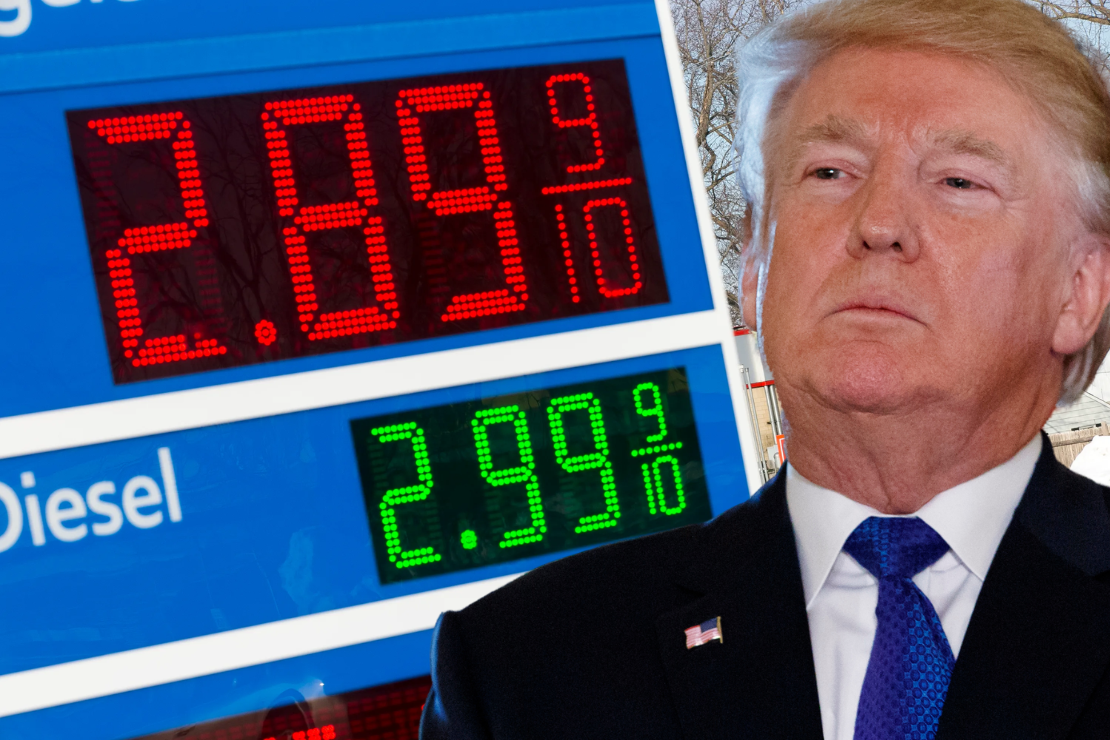
- Gas prices in the United States have jumped roughly 20 cents per gallon since U.S. strikes on Iran began.
- Rising fuel costs are creating concern among some White House advisers about political fallout ahead of the midterm elections.
- Iran’s retaliation has targeted energy infrastructure in the Gulf, pushing crude oil prices up more than $10 per barrel.
- The administration denies internal panic and says it has a plan to stabilize energy markets during the conflict.
Rising Gas Prices Trigger Concern Inside The White House, Admin Denis Internal Panic
Donald Trump’s latest military escalation in the Middle East is now creating political and economic pressure inside his own administration as gasoline prices climb across the United States.
According to reporting from Politico, top aides have begun sounding the alarm that the surge in fuel prices could undermine the administration’s message on affordability ahead of the upcoming midterm elections.
White House Chief of Staff Susie Wiles is said to be among those raising concerns as Trump’s strikes on Iran ripple through global oil markets. The administration had previously leaned heavily on lower energy prices as proof that its economic policies were working.
But the recent escalation with Tehran has sent crude oil prices climbing sharply, threatening to undo that message.
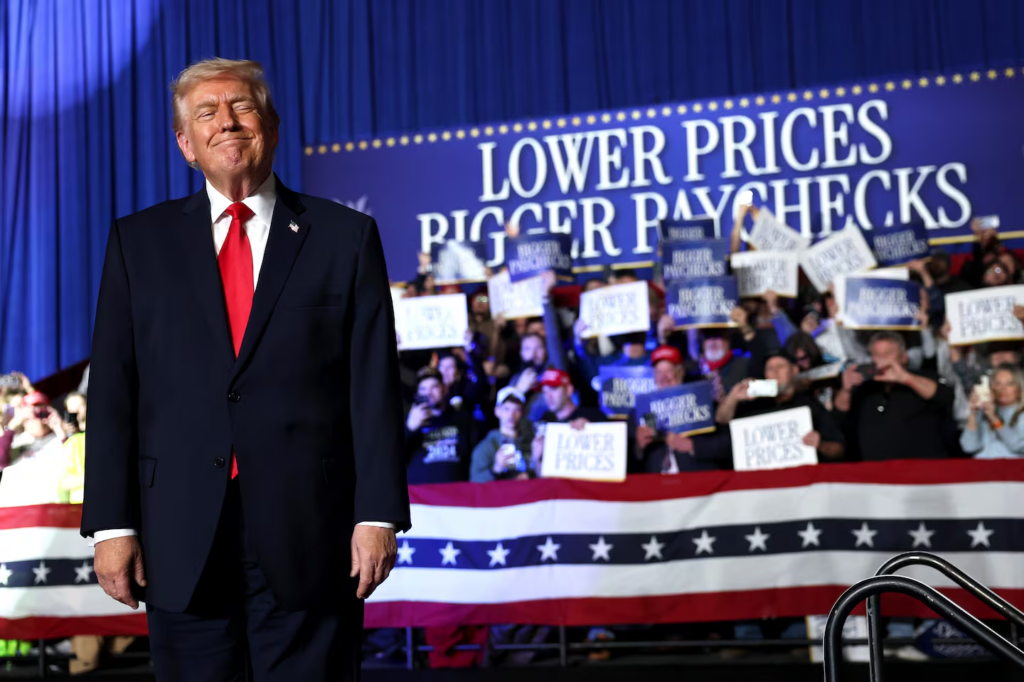
Trump has continued emphasizing affordability in public appearances, mentioning the issue at several events in recent days, including a Washington premiere for a film hosted by first lady Melania Trump.
Iran Conflict Sends Oil Markets Higher
The conflict intensified after the Trump administration launched a military operation known as “Operation Epic Fury.” In response, Iran targeted energy infrastructure across the Gulf region, rattling oil markets and raising fears about supply disruptions.
Those attacks pushed crude oil prices up by more than $10 per barrel, higher than the levels seen when Trump first returned to office. Gas prices followed quickly.
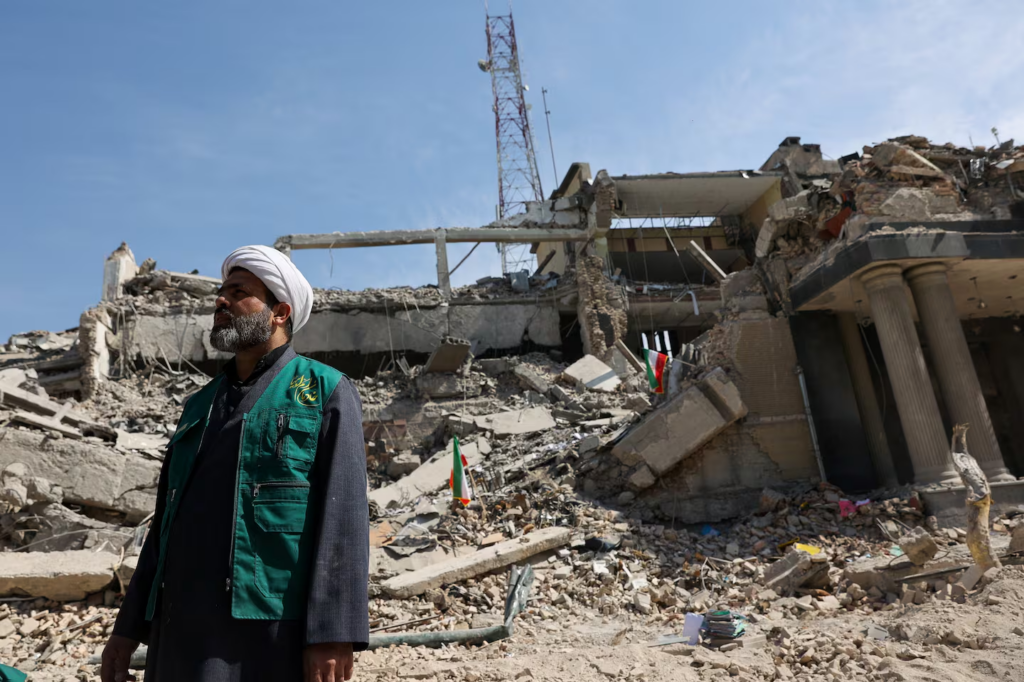
Majid Asgaripour/via Reuters
On Tuesday alone, prices rose by the largest single-day margin since 2022. Since the strikes began, the national average price of gasoline has climbed roughly 20 cents per gallon.
Energy analysts say the increase reflects broader fears that conflict in the region could threaten shipping routes near the Strait of Hormuz, one of the most critical chokepoints in the global oil market.
White House Officials Scramble For Messaging
The spike in prices has reportedly created a tense atmosphere inside the West Wing as advisers search for ways to counter the political fallout.
One energy industry executive told Politico that administration officials are “looking under every rock” for ways to bring gasoline prices down.
Energy Secretary Chris Wright and other advisers have reportedly been pushed to produce positive developments that could ease concerns about rising costs.
“Folks are scrambling for announcements and messaging to counter the narrative,” the executive said, adding that officials are being pressured to find “good news.”
The publication also reported that internal discussions about how to respond to rising oil prices did not begin immediately after the military strikes.
One industry executive told Politico that officials who were worried about oil reaching $80 to $90 per barrel were being drowned out by other voices within the administration.
“The faction of the White House that would care about $80-90 oil was being silenced,” the executive said. “There were louder voices winning.”
Policy Ideas Surface As Prices Continue Rising
As concerns grow, administration officials have reportedly begun floating several potential responses to rising fuel costs.
One proposal under discussion would involve temporarily suspending the federal gasoline tax. However, such a move would require approval from Congress and cooperation from oil companies and retailers.
Analysts note there is no guarantee those savings would actually reach consumers.
Politico also reported that officials are considering the possibility of using U.S. military forces to defend energy infrastructure in the Middle East.
Another option involves deploying U.S. Navy ships to escort oil tankers traveling through the Strait of Hormuz if tensions escalate further.
White House Pushes Back On Panic Narrative
Despite the reports, the White House insists there is no internal crisis. Press Secretary Karoline Leavitt dismissed suggestions that the administration is panicking over rising gas prices, criticizing the reporting as exaggerated.
“As usual, Politico wrote sensationalist, unverified gossip for clicks. Nobody is panicking,” Leavitt said in a statement.
She emphasized that the United States remains the world’s largest producer of crude oil and natural gas and said the administration has a strategy to maintain price stability during the ongoing military operation.
“President Trump’s entire energy team has a game plan to keep oil prices stable throughout Operation Epic Fury,” she said.
Leavitt has also argued that success in the conflict could ultimately lower fuel costs if Iran’s influence over regional energy flows is weakened.
Earlier this week she suggested that eliminating Tehran’s ability to disrupt oil shipments could improve long term market stability.
Midterm Elections Add Political Pressure
Even with those assurances, the political stakes are high. Rising gasoline prices have historically shaped voter perceptions about the economy, particularly during election years when household expenses are under scrutiny.
For many voters, the price displayed at the pump remains one of the most visible indicators of economic health.
With midterm elections approaching, a prolonged surge in fuel costs could become a major political vulnerability for Republicans attempting to maintain control of Congress.
If oil prices continue climbing and gasoline follows, the administration may face increasing pressure to demonstrate that its policies can bring relief to consumers before voters head to the polls.