





From Cells to Second Chances: My Vision of a Prison That Turns Punishment into Possibility
When people hear the word abolition, they often imagine a world with no consequences. But that’s not what I stand for. My idea isn’t to erase accountability, it’s to reinvent it.
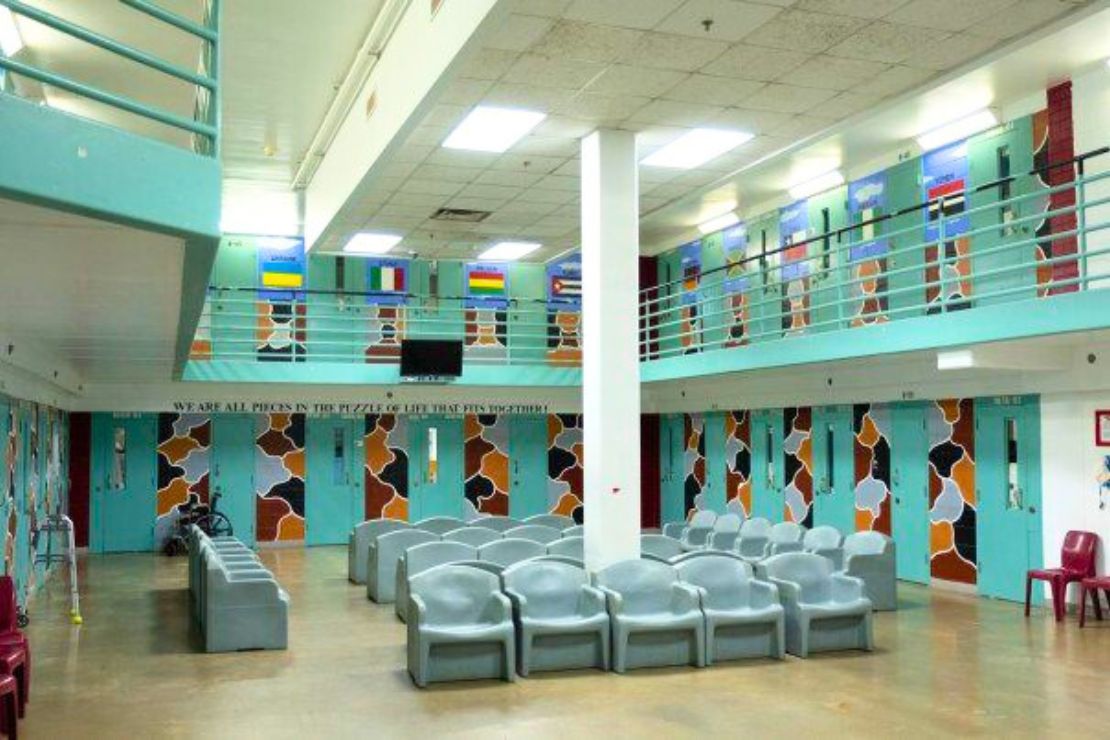
When people hear the word “prison,” they often picture cold walls, metal bars, and punishment, but I wanted to challenge that image. So, I asked myself, “What if prisons weren’t built to break people but to rebuild them?” I took that question and designed a revolutionary prison that is rooted in the abolitionist philosophy of justice. My design flips the traditional concept of incarceration and replaces it with healing and growth.
Growth Through Credits
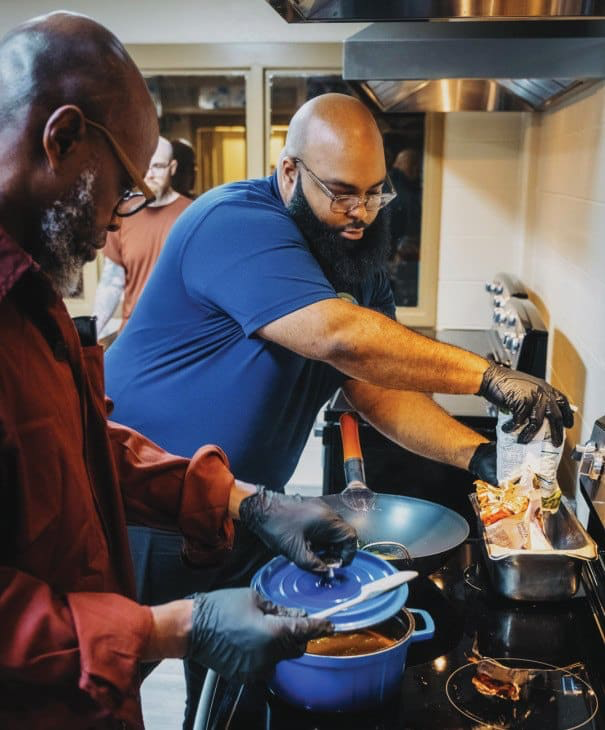
In my system, time doesn’t determine release, credits do. Every resident must complete a set number of “credit hours” that they are assigned. They will complete the credit hours through required and elective classes. Required programs will depend on the offense and their personal needs.
A Healing Campus, Not a Prison
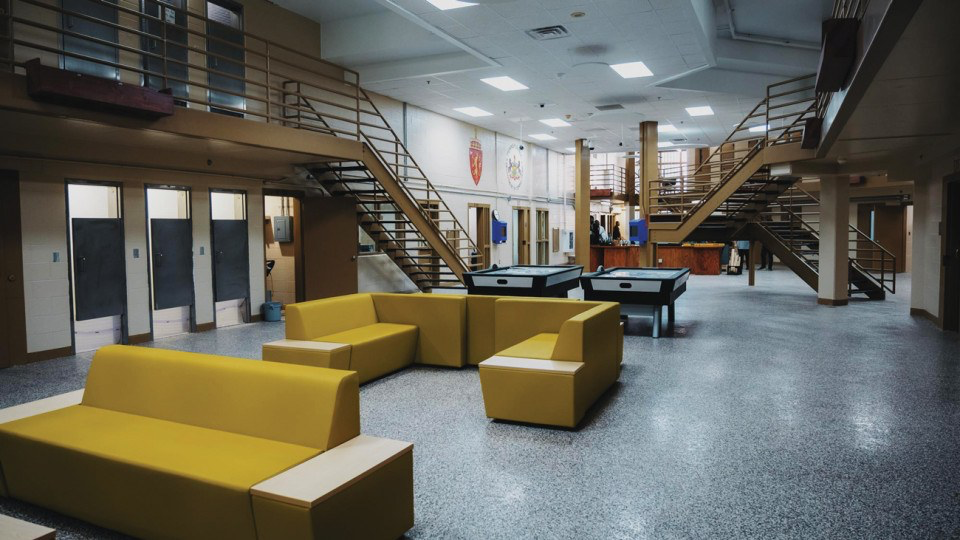
I wanted to abolish not just the system, but the environment. Traditional prisons are cold and sterile. I wanted to design something that gives people hope. If we expect change, we must create spaces that encourage it. My rehabilitation center is colorful and open. Every element was intentionally created to reflect a belief in rehabilitation over retribution. Residents live in rooms with doors, not bars. The walls are painted in warm tones, and residents can decorate them as they like.
Growth isn’t one-size-fits-all, it’s personal. Every resident has a counselor and advisor who tracks their progress. Every person in the center is encouraged to reflect on their belief system. I’ve learned that true rehabilitation starts with how a person views themselves and the world around them. If someone believes they can change, real growth begins. Those nearing release take career service classes, where they learn to write resumes, practice interviews, and even connect with employers at job fairs.
Discipline That Teaches, Not Tortures
Solitary confinement has no place in healing. Instead, discipline focuses on restoration and responsibility. When a resident breaks a rule, they may: Participate in restorative justice circles to meet with those affected, write reflection essays, or lose short-term privileges. Every consequence connects back to growth, not cruelty.
Different Crimes, Different Paths
Every crime tells a story. A gang-related shooting, a case of self-defense, or a theft born from poverty all stem from different realities and they require different solutions. Those convicted of premeditated or extreme violence would go to a high-security facility with intensive rehabilitation, while others, especially those influenced by social or emotional factors, would enter this healing center to rebuild.
My goal in creating this model was to show that abolition isn’t about ignoring crime, it’s about transforming justice. Instead of long mandatory sentences that destroy lives, we build pathways that restore them.
Instead of punishment, we offer purpose.
Instead of isolation, we build community.
This rehabilitation center is my version of what justice should look like, a place where people work toward redemption not rot in regret.
Because when we give people the tools to change, they often do. And when we stop seeing prisoners as only a problem and start seeing them as people that’s when real justice begins.