





AT A GLANCE:
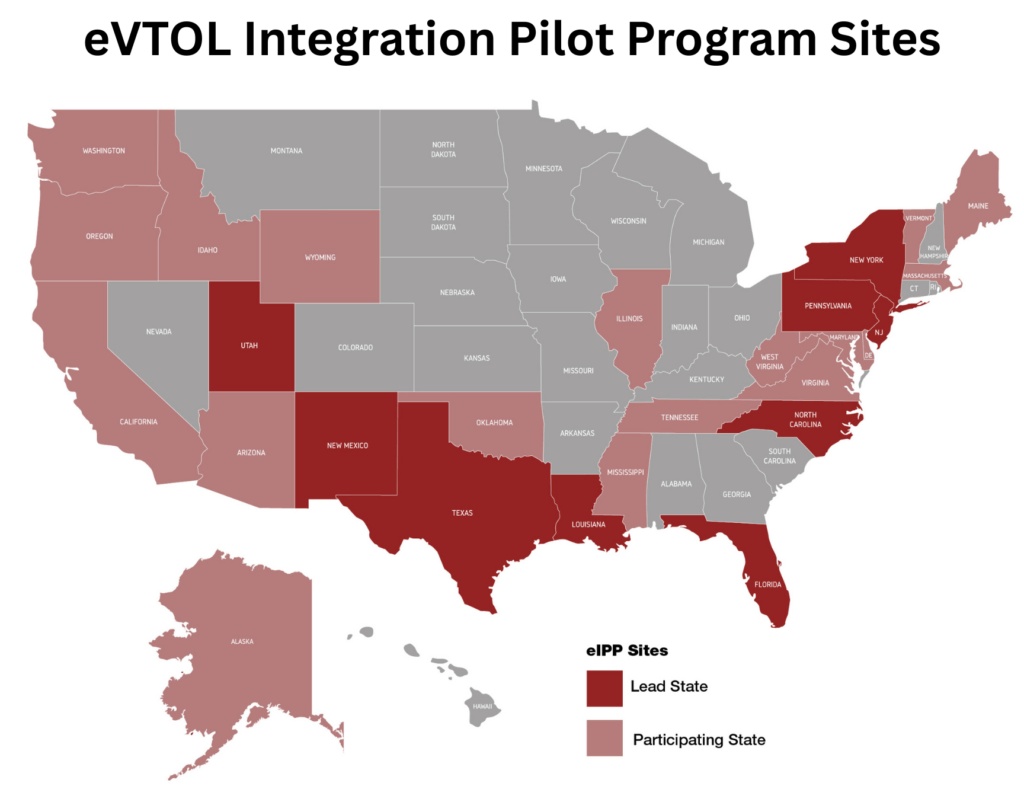
- Startups including Archer, Joby, Beta, Wisk, Electra, and Reliable Robotics will run passenger, cargo, and emergency flights with state and local partners.
- The three-year program, created by a Trump executive order, lets these aircraft operate under tight supervision before full FAA type certification.
- Officials say the aircraft will be quieter, cleaner, and ultimately cheaper than helicopters, and aimed at cutting congestion and linking smaller cities.
- Beta CEO Kyle Clark said the program will let Beta start flying a year early; its shares jumped nearly 12% Monday, with Archer and Joby stock rising too.
Electric Air-Taxi Aircraft Designed to Take Off and Land Vertically Could Transform Short-Distance Travel in Urban Areas
Flying taxis may soon move from science fiction to reality as federal transportation leaders begin preparing the nation’s aviation system for a new generation of aircraft.
During a recent federal briefing, U.S. Transportation Secretary Sean P. Duffy and officials from the Federal Aviation Administration outlined new efforts aimed at integrating advanced air mobility aircraft into U.S. airspace.
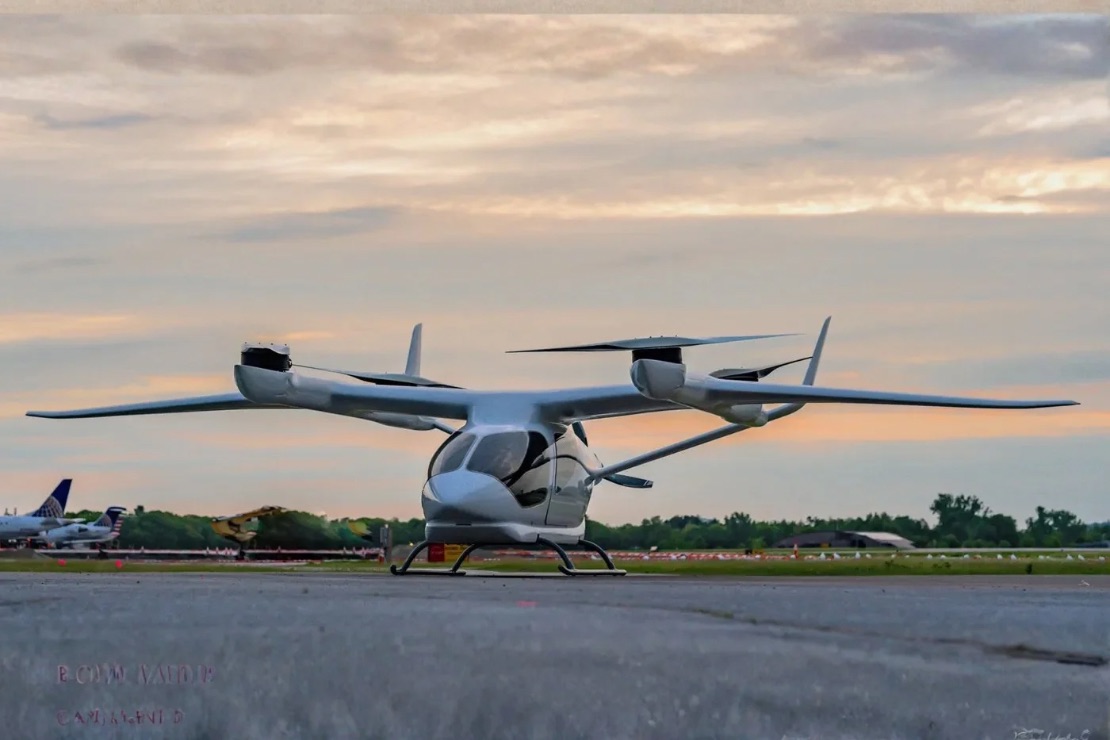
These aircraft include electric vertical takeoff and landing vehicles, often referred to as eVTOLs, that are designed to carry passengers or cargo across short distances within cities and surrounding regions.
“The future of aviation is here — and it’s going to dramatically improve how people and products move,” Duffy said during the announcement.
What Flying Taxis Could Actually Look Like
Unlike traditional airplanes, many air-taxi aircraft are designed to take off and land vertically, similar to helicopters, but with quieter electric engines.
The aircraft are expected to carry small numbers of passengers and operate on short routes, potentially transporting travelers between airports, downtown districts and nearby suburbs.
Supporters say the technology could significantly reduce travel times in crowded cities, turning long car trips into flights lasting only a few minutes.
Companies across the aviation industry are already developing the aircraft, and several are working with regulators to prepare for future commercial operations.
How the FAA Is Preparing for Air Taxis
Federal aviation officials say the rapid development of new aircraft technologies means regulators must update rules and air traffic systems to safely manage them.
The FAA is working to develop safety standards, operational guidelines and traffic management systems that would allow air taxis, drones and traditional aircraft to safely share the same airspace.
“Advanced air mobility aircraft will radically redefine personal travel, regional transportation, cargo logistics, emergency medicine and so much more,” transportation officials said.
Why the Next Transportation Revolution Could Happen in the Air
Transportation leaders say the development of flying taxis represents one of the most significant shifts in aviation since the rise of commercial airline travel.
While widespread air-taxi service may still be several years away, federal officials say planning now is essential to ensure the technology can be introduced safely and efficiently.
With the aviation industry investing heavily in next-generation aircraft, flying taxis could eventually become a regular part of how people move through major cities.