






AT A GLANCE
- A federal ban targeting THC-infused drinks and snacks is set to take effect in November 2026.
- The ban was quietly added to the government shutdown bill by Sen. Mitch McConnell.
- The hemp industry says more than 300,000 jobs and $1.5 billion in state tax revenues are at risk.
- Lawmakers in hemp-heavy states are scrambling to seek regulatory alternatives before the ban kicks in.
A Rapidly Growing Market Faces an 2026 Deadline
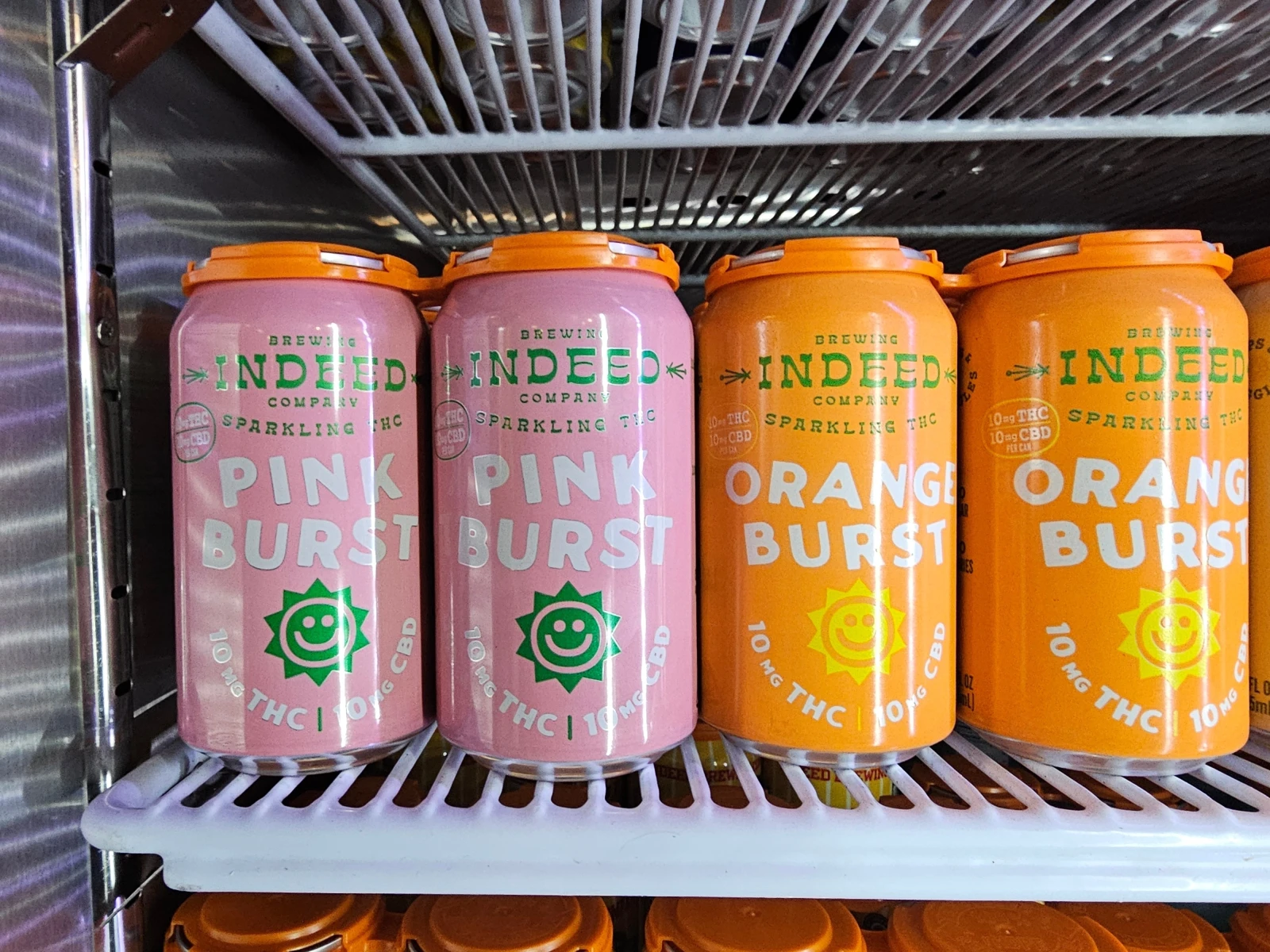
Inside Indeed Brewing in Minneapolis, production lines move fast, filling cans not with beer but with THC-infused seltzer. With alcohol sales slowing nationwide, these drinks have become a lifeline for craft breweries. But the industry’s momentum is suddenly in jeopardy after Congress slipped a federal ban on impairing hemp-derived products into the bill that ended this month’s government shutdown.
The provision targets drinks, edibles, and snacks infused with hemp-derived THC and is set to take effect in November 2026. The $24 billion hemp industry now finds itself scrambling for survival.
“It’s a big deal,” said Ryan Bandy, chief business officer at Indeed. “It would be a mess for our breweries, for our industry, and obviously for a lot of people who like these things.”
Hemp and marijuana come from the same plant species, but Congress drew a strict line in the 2018 farm bill: hemp would be legal if it contained less than 0.3% delta-9 THC. That definition left a massive loophole. Products could legally stay under that threshold while still delivering enough THC to get consumers high.
Businesses went further by converting CBD into alternate forms of THC, like delta-8 and delta-10, which were not explicitly restricted. Within a few years, unregulated THC-laden vape oils, candies, chips, sodas, and seltzers flooded gas stations, smoke shops, and convenience stores nationwide. In some states, teens could buy them with little effort. In legal marijuana markets, these products undercut heavily taxed dispensaries. In states where recreational weed remains illegal, they created a shadow market.
States reported rising calls to poison-control centers involving kids exposed to THC edibles.
As hemp-derived intoxicants spread, states tried to rein them in. Some banned them; others moved to regulate them; others tried both.
- California banned intoxicating hemp products outside the legal marijuana system.
- Texas, home to a massive hemp market, is pushing age restrictions and licensing rules but stopping short of a ban.
- Nebraska lawmakers have debated criminalizing hemp-based THC entirely.
- Washington state saw its licensed hemp growers plummet from 220 to 42 after banning intoxicating hemp products in 2023.
- Minnesota, by contrast, fully legalized hemp-derived drinks and edibles for adults 21 and over in 2022, resulting in explosive growth. Target stores in the state now sell THC beverages, and small brewers like Indeed and Bauhaus Brew Labs rely on them for up to a quarter of their business.
Sen. Mitch McConnell, a key architect of the 2018 farm bill, says the unintended consequences have gone too far. He inserted the new hemp THC ban into the legislation to reopen the federal government after its 43-day shutdown.
“It will keep these dangerous products out of the hands of children, while preserving the hemp industry for farmers,” McConnell said. “Industrial hemp and CBD will remain legal for industrial applications.”
Supporters of the ban include both anti-marijuana groups and regulated cannabis businesses, who argue the unlicensed hemp market has enjoyed unfair advantages.
The ban doesn’t take effect for a year, giving the industry some breathing room. Groups like the U.S. Hemp Roundtable argue that time is proof this isn’t a true emergency and that Congress should use the window to craft regulations, not prohibition.
“We are very hopeful that cooler heads will prevail,” said Jonathan Miller, the group’s general counsel.
The organization estimates that more than 300,000 workers could lose their jobs and states could lose $1.5 billion in tax revenue.
Minnesota brewers say they’re staring straight at a potential collapse. Bauhaus Brew Labs, where THC drinks make up 26% of distributed product revenue, doesn’t see a path forward.
“If this goes through as written currently, I don’t see a way at all that Bauhaus could stay in business,” said Drew Hurst, Bauhaus’ president and COO.
Some lawmakers are already pushing for alternatives. Sen. Rand Paul of Kentucky attempted to strip McConnell’s ban from the bill entirely, but the amendment failed in a 76-24 vote.
Minnesota’s U.S. senators, Amy Klobuchar and Tina Smith, have been working publicly to save the industry. Klobuchar criticized how the ban was inserted into an unrelated budget bill without a hearing and suggested states could implement their own regulatory frameworks. She pointed to Minnesota’s model, which includes age restrictions, testing requirements, and labeling rules, as a possible national blueprint.
Kevin Hilliard, co-founder of Insight Brewing in Minneapolis, said the clock is already ticking.
“If a farmer has uncertainty, they’re not going to plant,” Hilliard said. With spring planting season approaching, growers and businesses say they need clarity now, not next November.