





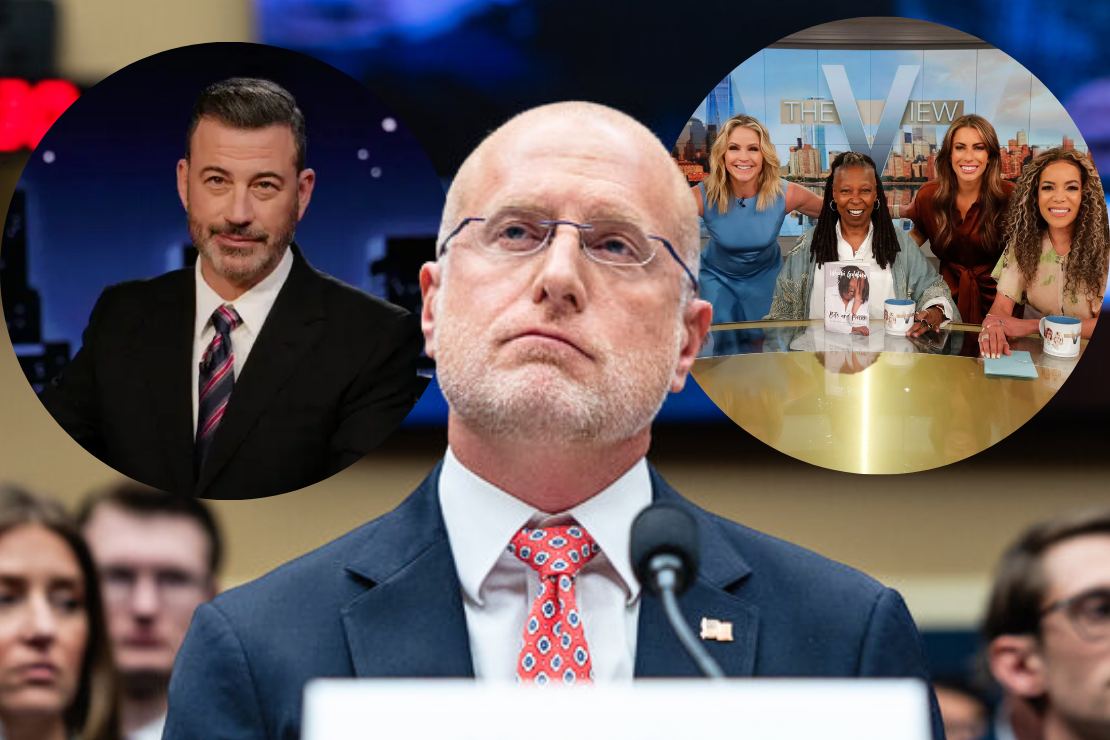
AT A GLANCE
- The FCC has reversed a decades-old interpretation of the “equal time” rule.
- Network talk shows may now be required to provide equal airtime to all candidates seeking the same office.
- The shift has sparked renewed First Amendment concerns tied to media regulation under the Donald Trump administration.
- Broadcasters and legal experts warn the change could reshape political coverage ahead of the 2026 elections.
FCC Reverses Longstanding Interpretation of Equal Time Rule
The Federal Communications Commission said Wednesday that network television talk shows must now provide equal airtime to all candidates seeking the same public office — a sharp reversal of a decades-old interpretation of federal broadcast rules that is already drawing alarm over free speech and political interference in the media.
The decision revisits the FCC’s long-standing application of the “equal time” provision of the Communications Act, which historically exempted news programs and entertainment talk shows from having to balance appearances by political candidates. Under the new interpretation, programs such as late-night and daytime talk shows could be required to offer comparable airtime to all qualified candidates if one appears on the program.
The ruling immediately reignited concerns about the Donald Trump administration’s expanding role in media regulation. Critics argue the shift could have a chilling effect on editorial independence, forcing networks to either avoid political guests altogether or open their platforms to candidates with little public support simply to avoid regulatory penalties.
Supporters of the move say the rule is about fairness, not censorship, insisting that broadcast licenses come with obligations to serve the public interest. FCC officials framed the change as a correction rather than a crackdown, emphasizing that the equal time requirement has always existed in statute, even if enforcement has been relaxed over the years.
Media advocates, however, see the move as part of a broader pattern. They warn that reviving rigid interpretations of the equal time rule could fundamentally alter how political conversations happen on television — particularly during an election year — and blur the line between government oversight and content control.
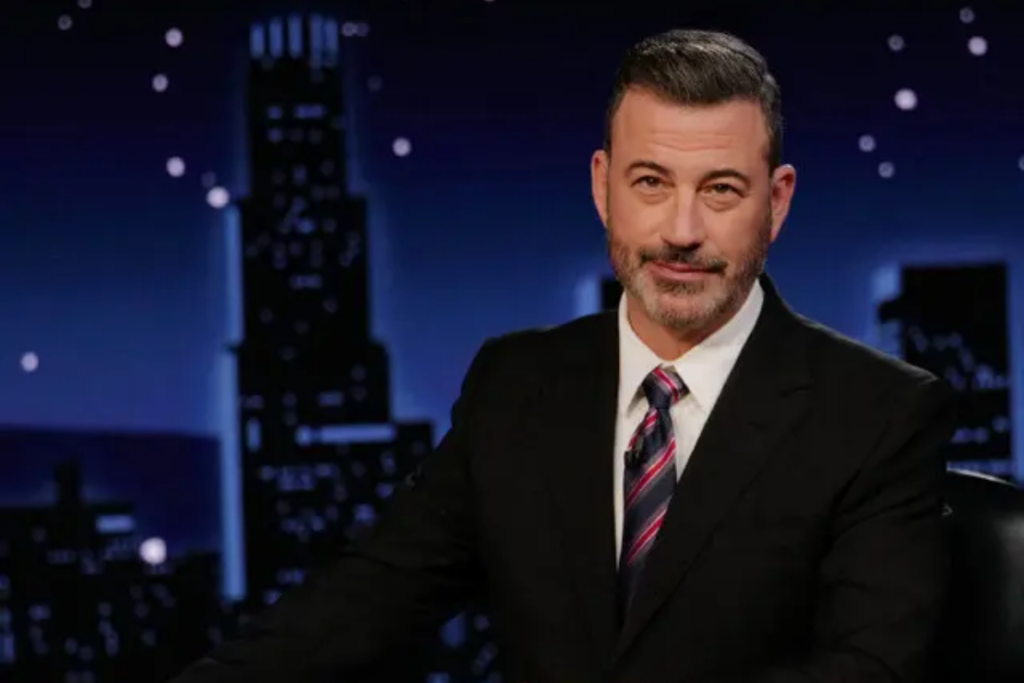
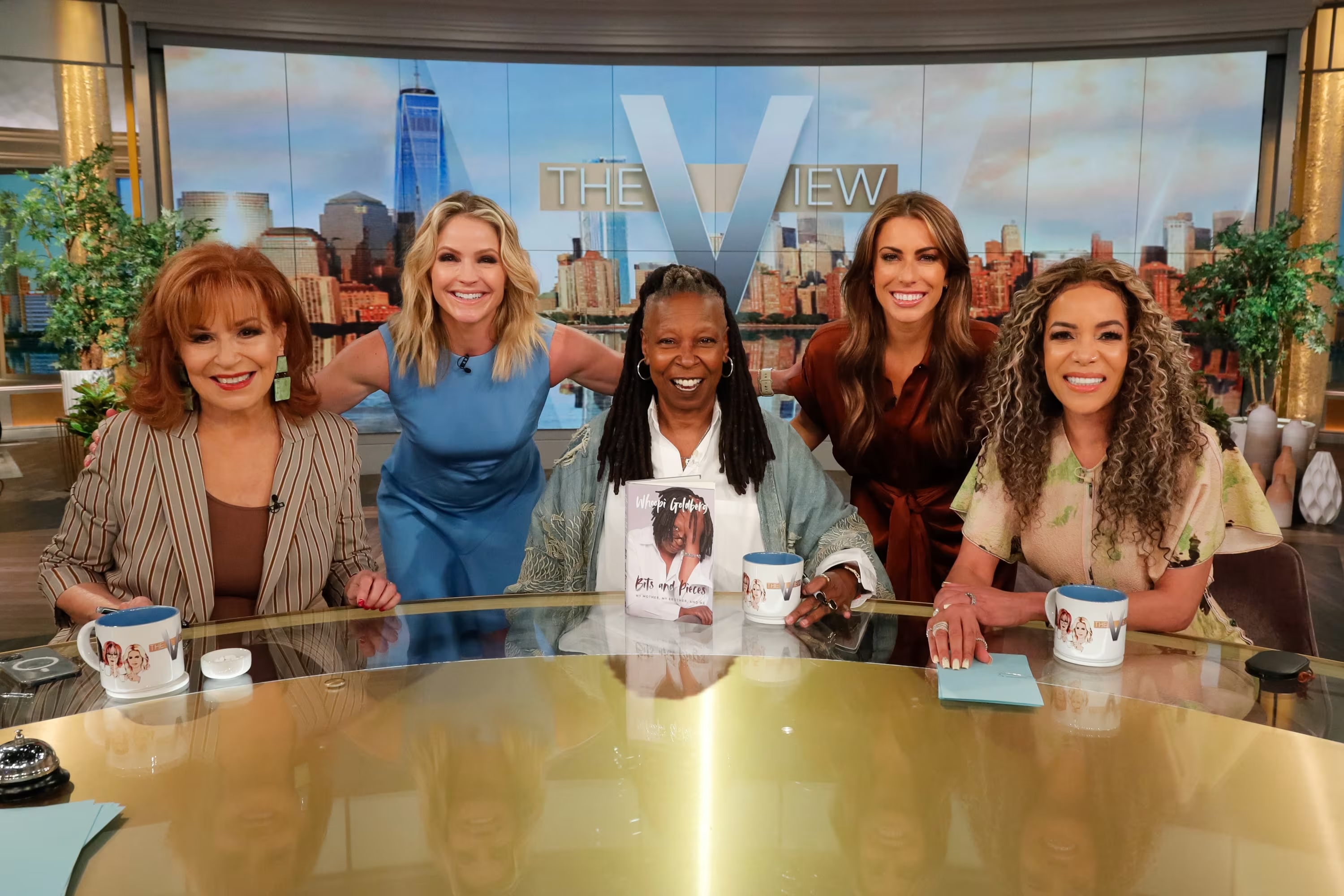
Outside the Jimmy Kimmel Live! studios in Hollywood, audiences have long gathered for tapings that blend comedy, culture, and occasional politics. Under the FCC’s new posture, appearances like those may now carry regulatory consequences if candidates are involved.
Legal experts say the policy shift could face court challenges, especially on First Amendment grounds. Broadcasters are expected to seek clarification from the FCC on how the rule will be enforced, including what qualifies as “equal” airtime and which types of shows fall under the requirement.
As the media landscape continues to evolve — and political scrutiny intensifies — the ruling adds another flashpoint to ongoing debates over press freedom, government power, and who ultimately controls the national conversation.