





AT A GLANCE
- Trump signed a bipartisan bill forcing the Justice Department to release the full cache of Jeffrey Epstein case files.
- DOJ has 30 days to produce roughly 100,000 pages tied to Epstein, Ghislaine Maxwell, and his death in federal custody.
- Victim identities, classified information, and active investigations can still be withheld.
- Lawmakers warn they’ll push back if Trump or DOJ tries to dodge “full transparency.”
Epstein Files Transparency Act Launches 30-Day Countdown
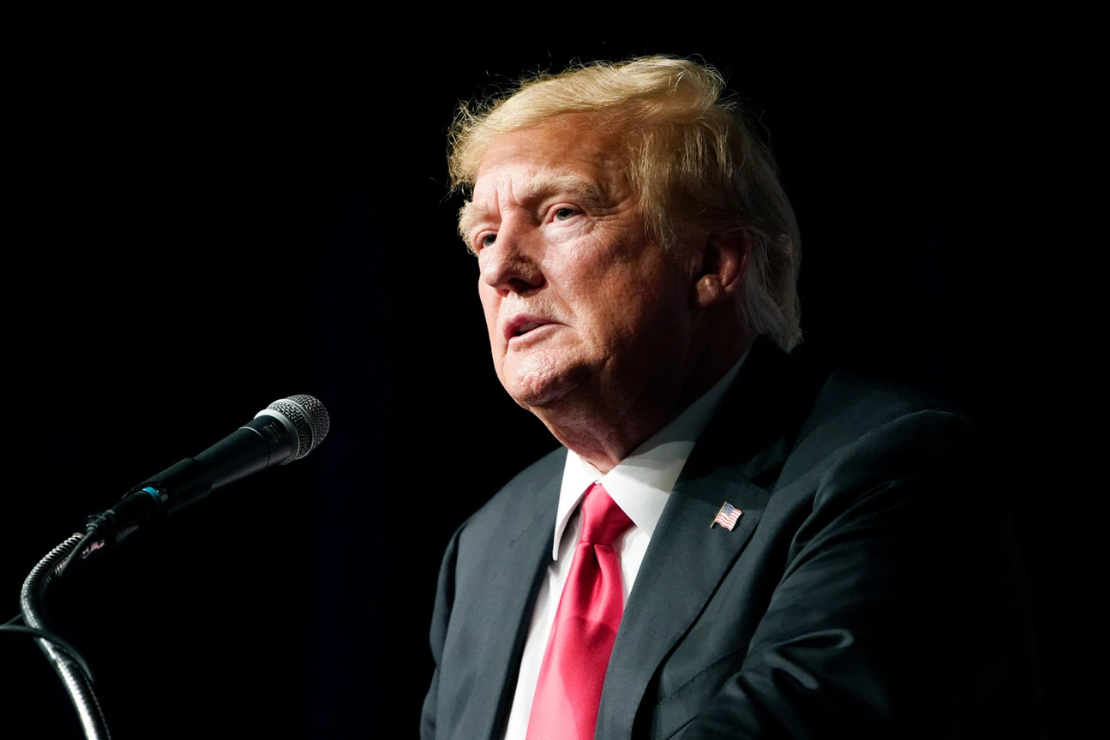
President Donald Trump has now signed legislation compelling the Justice Department to publicly release its extensive case files on convicted sex offender Jeffrey Epstein, marking a dramatic turn in a yearslong push by survivors seeking accountability. After months of resistance, Trump reversed course this week as both the House and Senate passed the bill with overwhelming bipartisan support.
Senate Democratic Leader Chuck Schumer framed the directive bluntly: “This bill is a command for the president to be fully transparent, to come fully clean, and to provide full honesty to the American people.” Schumer also made clear that Democrats are prepared to challenge anything short of full compliance.
Trump, never one to waste a chance for theatrics, celebrated the bill’s signing with a social media post insisting that Democrats “used the ‘Epstein’ issue” to distract from his political triumphs.
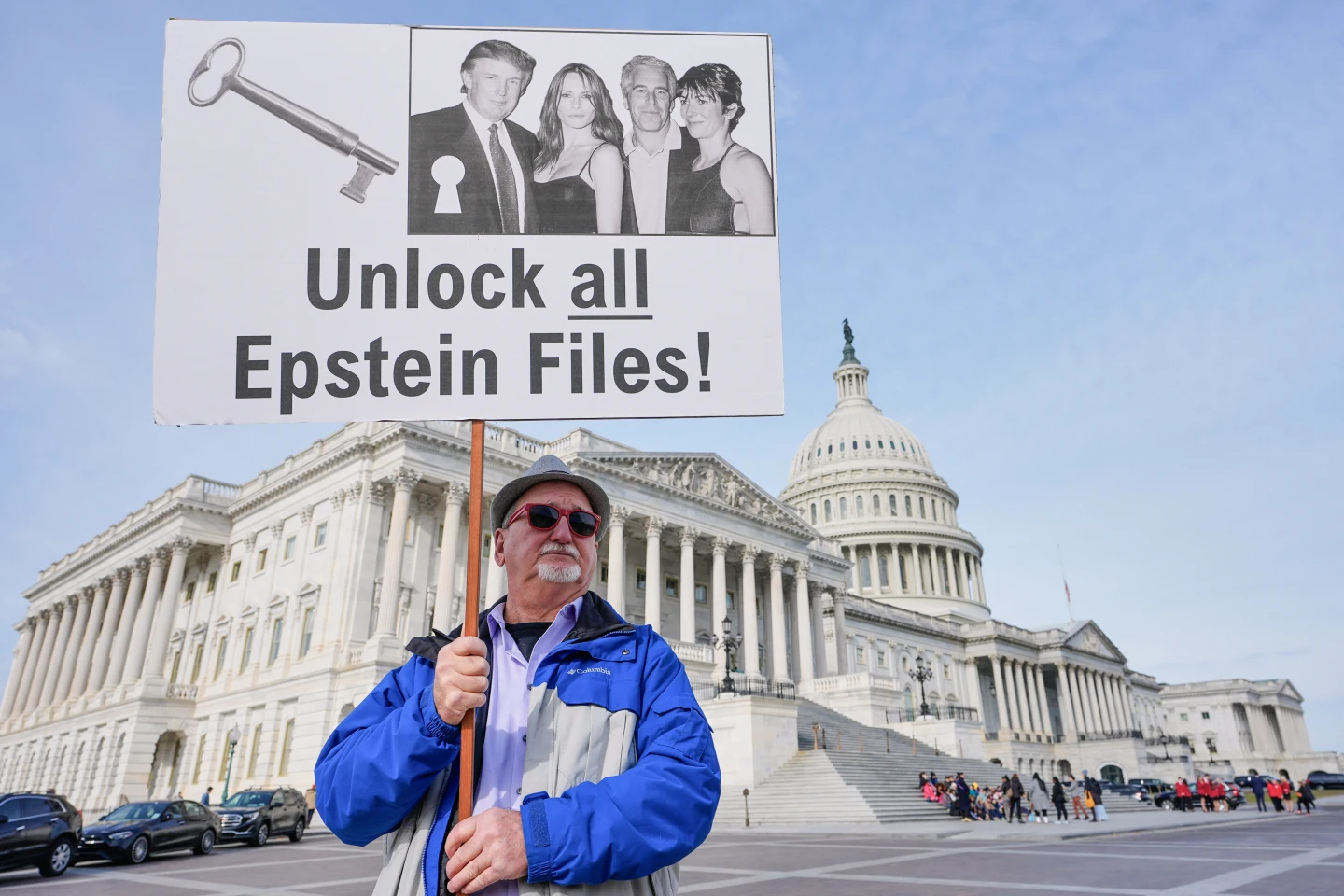
The law orders Attorney General Pam Bondi to release virtually all federal records tied to Epstein and Ghislaine Maxwell, who is serving a 20-year sentence for recruiting and grooming the teenage girls Epstein abused. A federal judge overseeing the case previously estimated the total record count at nearly 100,000 pages.
The mandate also covers DOJ’s internal communications regarding Epstein, Maxwell, and Epstein’s 2019 death inside the Manhattan federal jail where he was awaiting trial.
Still, there are guardrails. The legislation permits DOJ to withhold:
- Personally identifiable information of victims
- Child sexual abuse materials
- Classified national defense or foreign policy information
- Details that could compromise active investigations or prosecutions
Bondi signaled compliance while reassuring victims: “We will continue to follow the law with maximum transparency while protecting victims.”
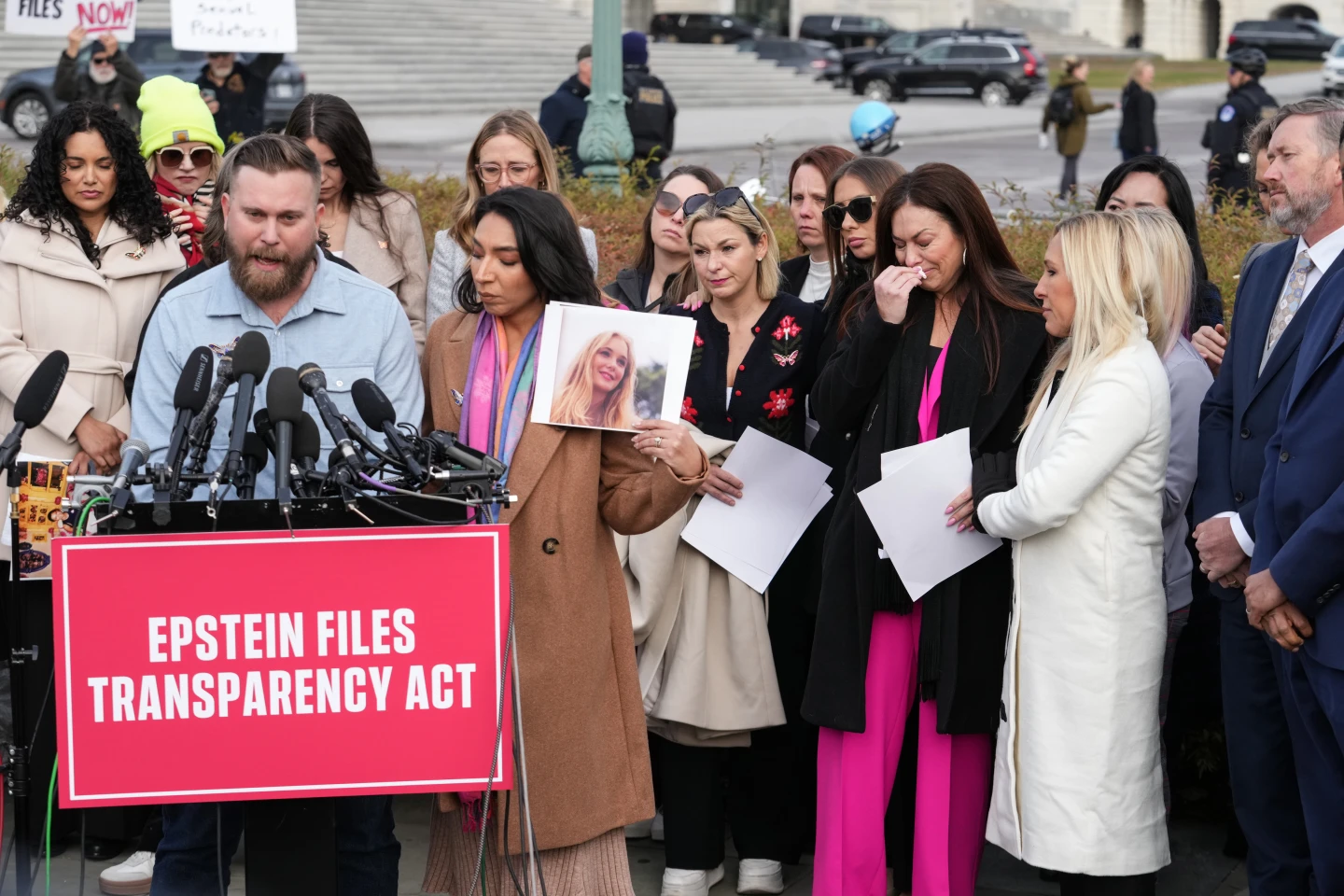
Those last exemptions, though, have sparked concern among supporters of the bill who worry DOJ could conveniently launch “active investigations” to avoid releasing politically sensitive names.
Rep. Marjorie Taylor Greene, normally glued to Trump’s hip, broke from him over this one, calling the bill a “real test” for DOJ. Her question was simple: Will the department release the files or bury them behind investigative loopholes?
In July, the FBI stated it “did not uncover evidence that could predicate an investigation against uncharged third parties.” But Bondi recently bowed to Trump’s demands, ordering a prosecutor to investigate Epstein’s connections to Trump’s political rivals, including former President Bill Clinton.
Rep. Thomas Massie, the Kentucky Republican who authored the bill, brushed off concerns about potential stonewalling. “There’s no way they can have enough investigations to cover all of the people implicated,” he said. “And if they do, then good.”
The law further requires DOJ to publish a detailed report within 15 days of releasing the files, explaining each redaction or withheld item. It explicitly forbids withholding information “on the basis of embarrassment, reputational harm, or political sensitivity.”
The release could expose references to dozens, if not hundreds, of influential figures. Epstein’s social orbit included world leaders, billionaires, academics, politicians, and celebrities. A recent House Oversight Committee release of Epstein’s emails already revealed private communications involving Trump, former President Bill Clinton, and Andrew Mountbatten-Windsor, the ex-Prince Andrew.
Still, prosecutors traditionally avoid disclosing unverified information or naming individuals without charges. House Speaker Mike Johnson raised those concerns, warning the bill could unintentionally reveal sensitive details about victims or individuals who merely had contact with investigators. Despite those objections, Johnson ultimately voted for the bill without attempting changes.

For many of the bill’s supporters, this exposure is the point. Some survivors say they want to publicly name individuals they believe were involved but fear defamation lawsuits from powerful men. Massie and Greene have even suggested reading names on the House floor, where speech is protected.
“We need names,” Massie said.
The country is now on the clock. In 30 days, the public will finally learn how deep the federal files go and what the government has kept behind closed doors for more than a decade.