





AT A GLANCE
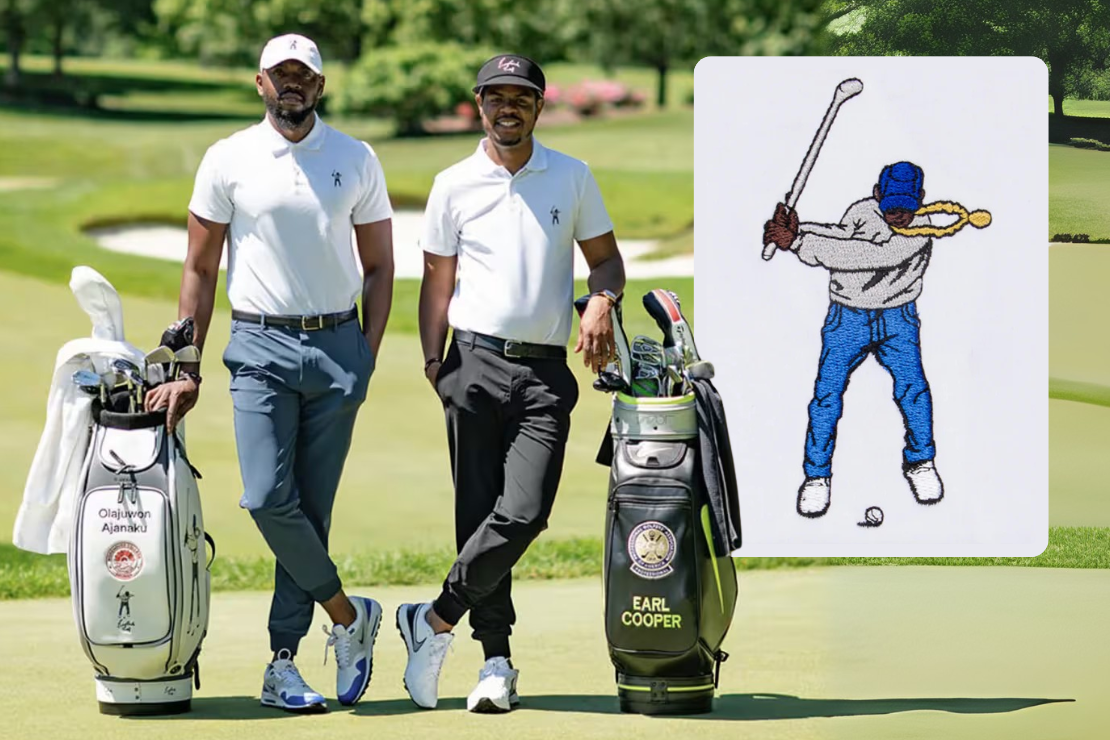
- Eastside Golf, founded by two Morehouse alums, blends golf and Black culture with a bold lifestyle brand.
- The company surpassed $10 million in revenue in 2024, growing from $1 million in 2020.
- Its “Community Days” events make golf accessible, offering free lessons, tee times, food, and music.
- The brand partners with celebrities, sponsors Black golfers, and challenges golf’s history of exclusion.
Eastside Golf, an Apparel Brand Founded by Two HBCU Alums, Opens Up Golf’s Exclusivity to the Masses
Golf has long been treated like a members-only club, and not just in the literal sense. With sky-high costs, country club exclusivity, and rules that feel designed to keep outsiders out, Black participation has remained disproportionately low. A 2019 National Golf Foundation report found that just 3% of recreational golfers were Black, and today, only four Black players hold PGA Tour cards out of more than 200.
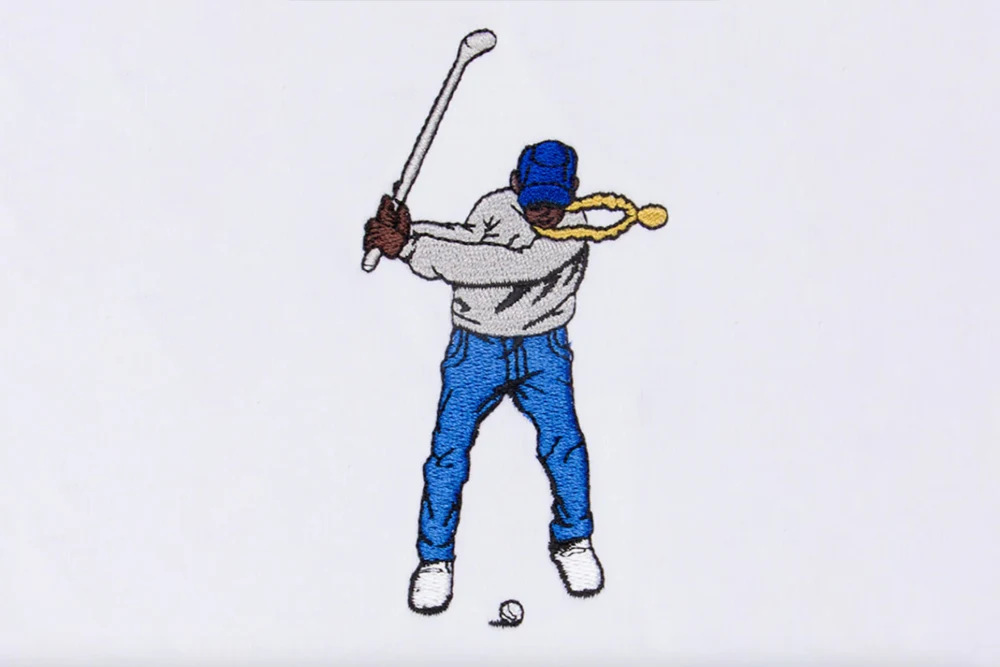
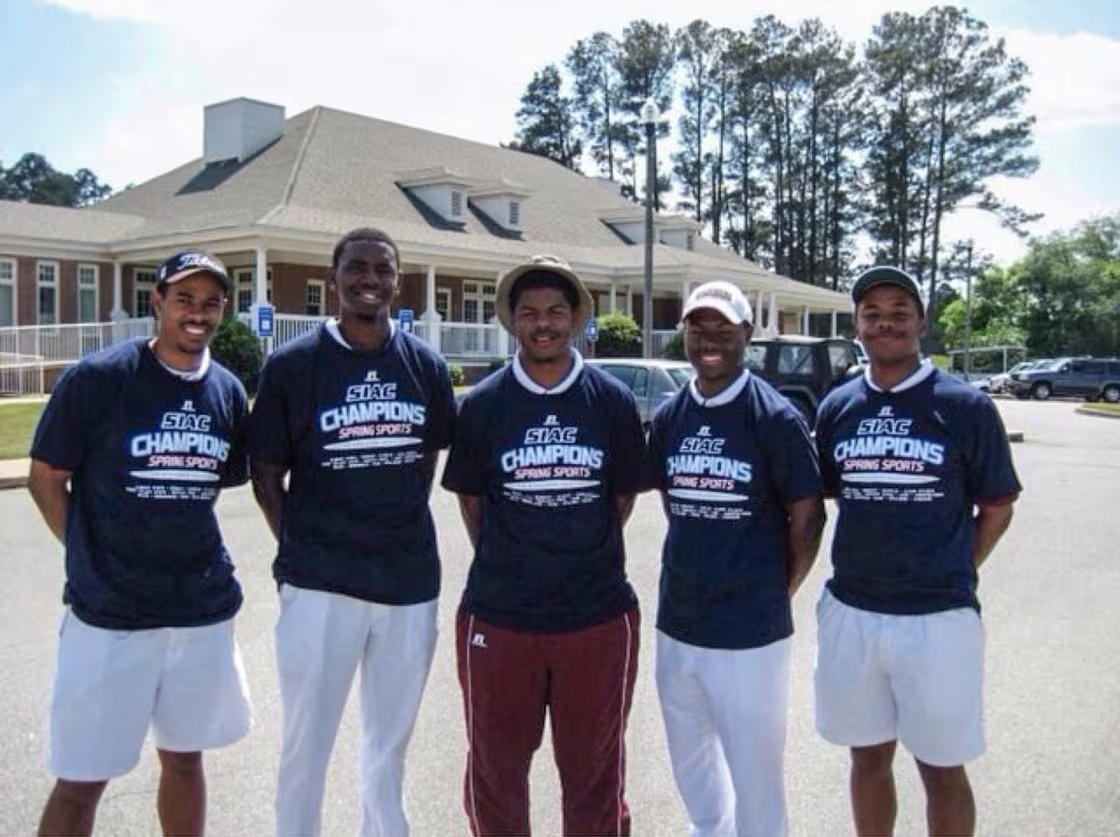
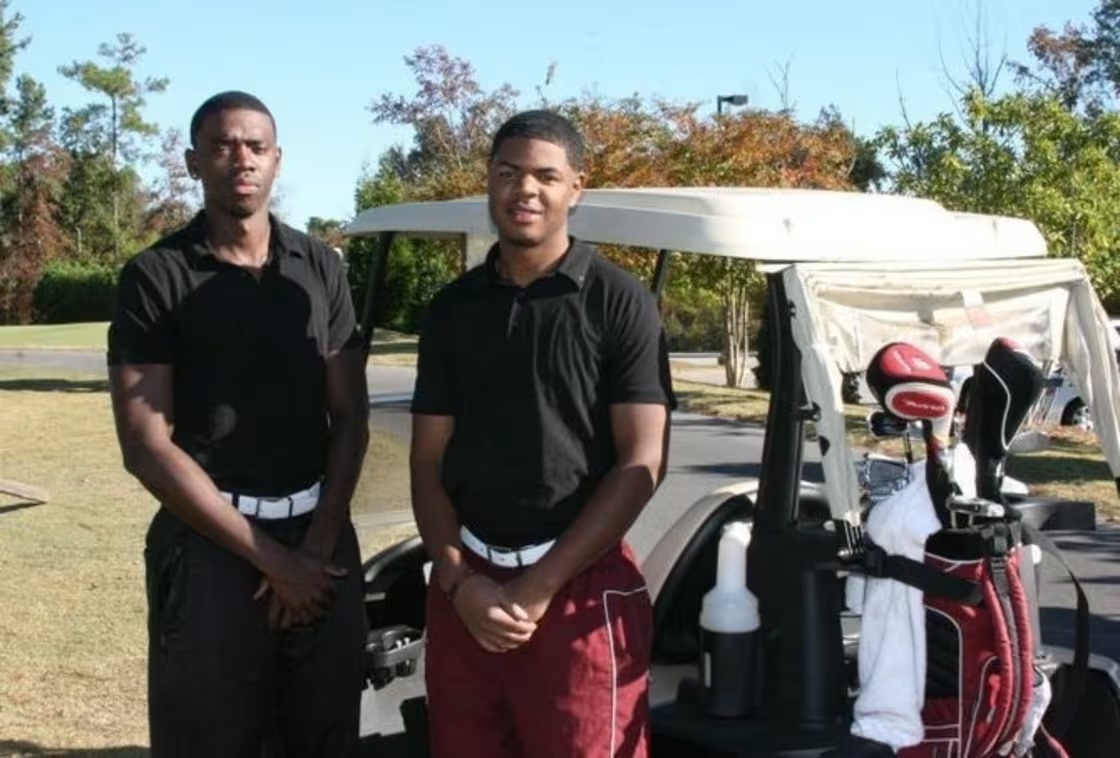
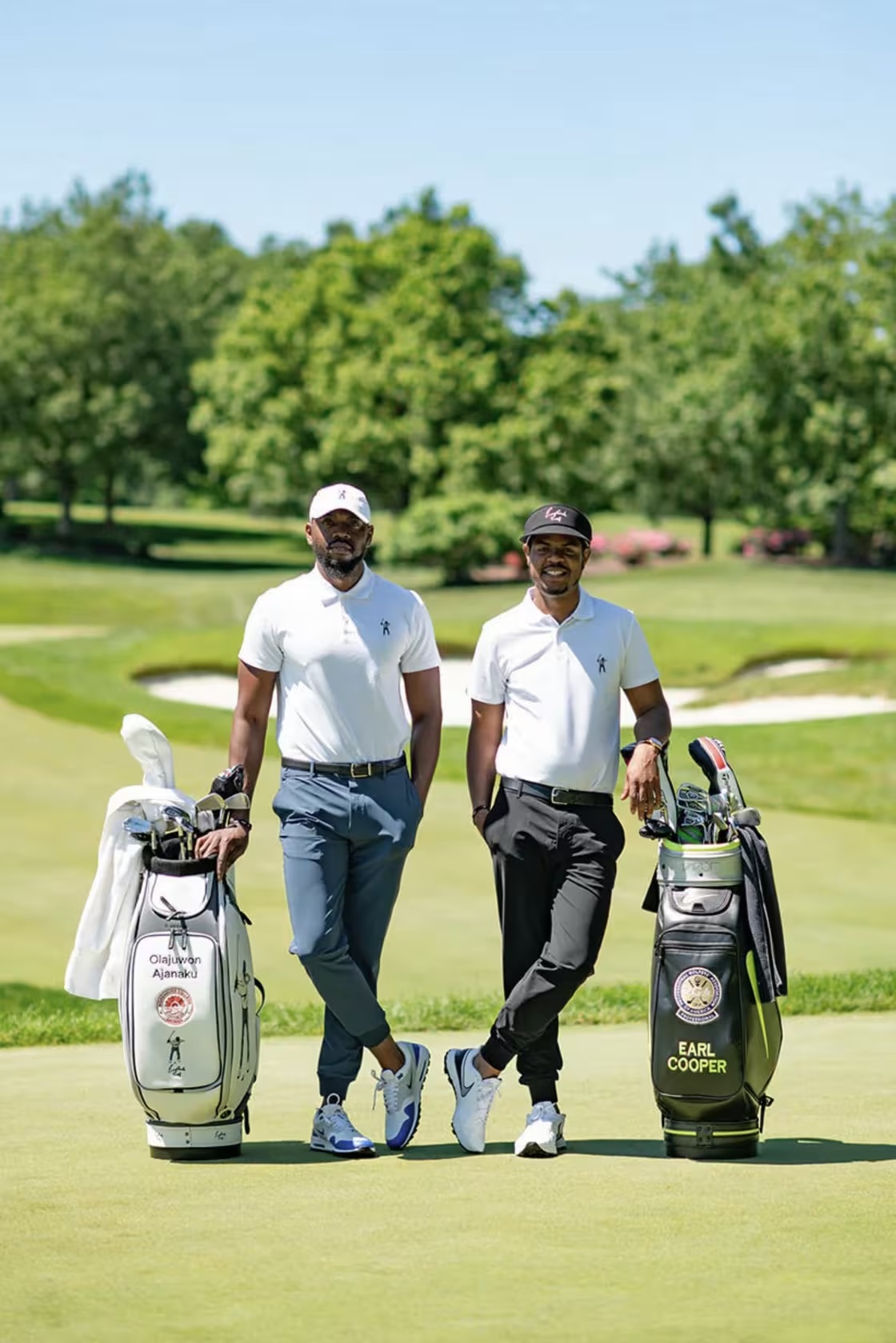
That’s the inequity Eastside Golf set out to confront. Founded in 2019 by former Morehouse teammates Olajuwon Ajanaku and Earl Cooper, the apparel company aims to flip the script by embracing culture while making golf accessible. Their signature logo, “Swingman,” features a Black man in jeans, sneakers, a cap, and a gold chain mid-swing — a direct challenge to golf’s rigid dress codes and attitudes.
Building a Brand with Purpose
The mission has resonated. In just four years, Eastside Golf’s revenue skyrocketed from $1 million in 2020 to more than $10 million in 2024. The brand has inked collaborations with Jordan Golf, Beats by Dre, and the Atlanta Braves, while DJ Khaled and Anthony Anderson serve as celebrity ambassadors. They’ve even expanded to brick-and-mortar locations in Detroit and Tokyo.
But Cooper and Ajanaku stress the money isn’t the point. Eastside Golf has donated thousands to Morehouse College, employs a diverse staff, and sponsors golfers including Joseph Bramlett, one of the PGA’s few Black professionals. Their focus is not just on outfitting elites but reaching everyday players.
Connecting With Communities
That commitment shows in Eastside Golf’s annual “Community Days” in cities like Dallas, Chicago, and Atlanta. They rent out entire golf courses and offer free tee times, food, music, and lessons. Most attendees are African Americans — kids, parents, and beginners stepping onto greens that historically excluded them.
“You can always bounce back,” said 13-year-old Jacob Smith at an Atlanta Community Day, explaining golf’s lessons beyond sport. Another young player, 11-year-old Mason Madison, said the game taught him to enjoy the work as much as the fun.
For Ajanaku, those moments mirror the atmosphere where he first fell in love with golf: inclusive, vibrant, and community.
Looking Back at the Game’s History
The founders know their work sits in sharp contrast to the sport’s history. Golf in the U.S. was originally designed for exclusivity — with Black golfers barred from clubs, relegated to caddy roles, and officially excluded by the PGA Tour’s “Caucasian-only” rule until 1961. Some private clubs stayed whites-only until the 1990s.
Yet Black golfers persevered: John Shippen broke barriers in 1896, Charlie Sifford integrated the PGA Tour in 1961, Althea Gibson competed in the U.S. Open for golf in 1963, and Tiger Woods changed the game entirely in the 1990s and beyond.
It’s that legacy that fuels Eastside Golf’s push. “I started this brand because I was tired of being told ‘No,’” Ajanaku said. “So why not take the entrepreneur route and sponsor myself?”
Looking Back at the Game’s History
From oversized script polos to pastel bucket hats and Jordan Golf sneakers stamped with the Swingman, Eastside Golf fuses streetwear with the fairway. It’s as much about changing perceptions as selling clothes.
“Our brand is for the masses,” Cooper said. “Golf shouldn’t be about exclusion. It should be about people.”