





Trump Pushes Back on Racism Criticism, Black Conservatives Rally Behind
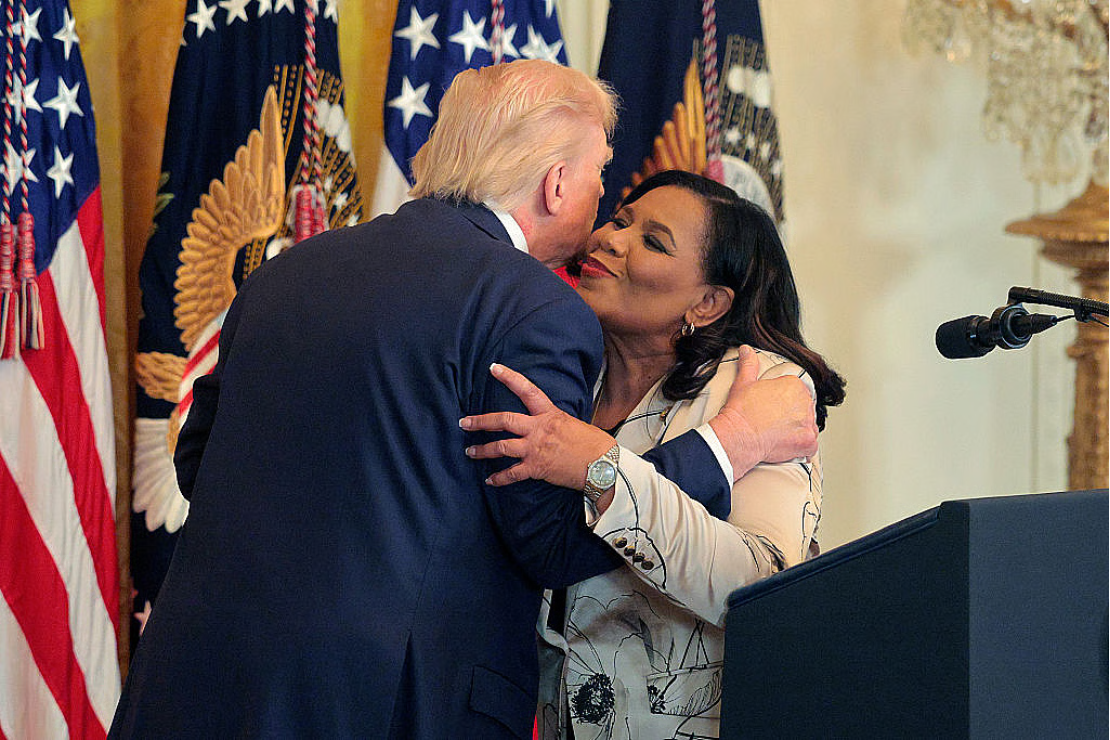
Donald Trump used a White House Black History Month reception to push back against ongoing accusations of racism, standing before a crowd of mostly Black conservative supporters who cheered him inside the East Room.
The February 18 event came after Trump drew criticism for a racially charged social media post referencing former President Barack Obama and former First Lady Michelle Obama, and for disinviting Maryland Gov. Wes Moore from an upcoming dinner. Inside the White House, however, attendees chanted “four more years” as administration officials praised Trump’s record.
“We thank God for the strength and courage and grit and devotion of Black Americans who have helped make America the most powerful country in the history of the world,” Trump said.
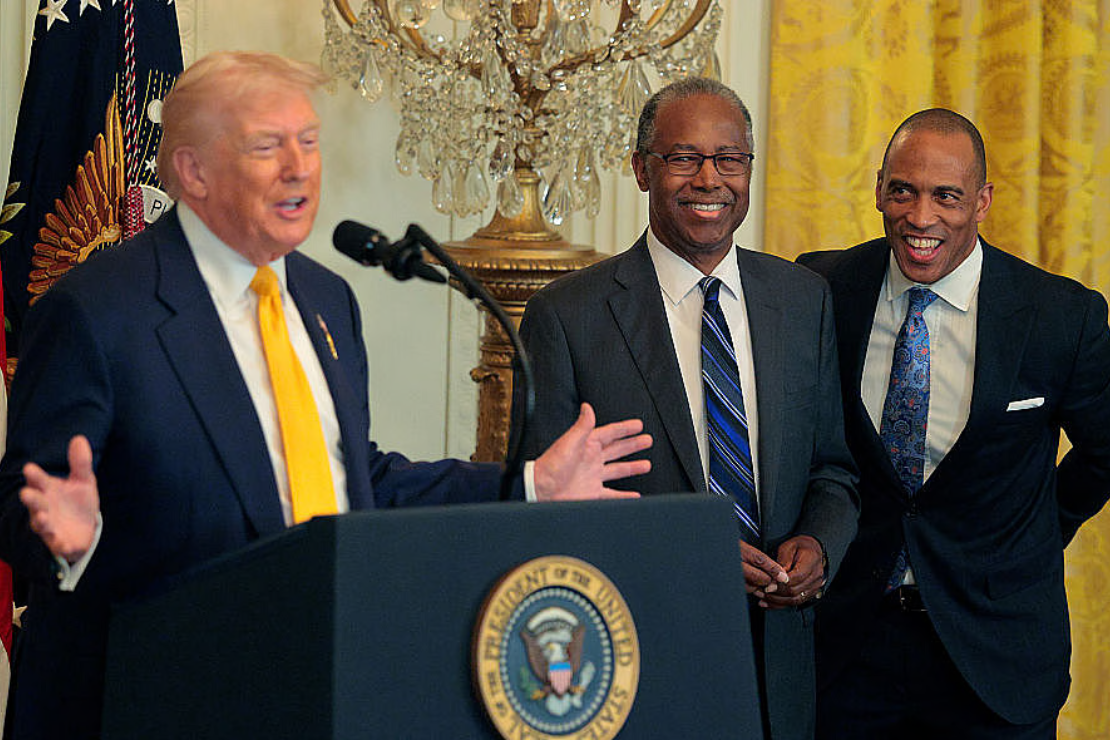
Trump was joined by former Housing and Urban Development Secretary Ben Carson and current HUD Secretary Scott Turner, along with White House Pardon Czar Alice Johnson.
Johnson, who was pardoned by Trump in 2020 before later joining his administration, delivered some of the most enthusiastic praise of the evening.
“This president, President Donald Trump, brought me from the prison pit to the White House!” Johnson told the crowd. “Don’t let anyone tell you that this president right here, Donald Trump…is not for Black America because he cares.”
Forlesia Cook, a Washington, D.C., grandmother who lost her grandson to gun violence, also defended Trump against accusations of racism.
“I don’t wanna hear nothin’ you got to say about that racist stuff!” Cook said. “Get off the man’s back! Let him do his job!”
Critics Say Policies Tell a Different Story
The reception unfolded amid heightened scrutiny over Trump’s rhetoric and policy agenda. In recent weeks, Trump has posted photos of himself with Black celebrities and, in a tribute to civil rights leader Jesse Jackson, claimed he has been “falsely and consistently called a racist” by Democrats.
Democratic strategist Joel Payne pushed back on that defense.
“Donald Trump thinks about the world purely through the lens of transaction, but you cannot transact respect, dignity, empowerment, and opportunity,” Payne said.
“Black folks have watched this president and his Administration insult Black and brown people. They have seen him use power to strip rights and recognition from our community.”
A White House fact sheet highlighted what it described as accomplishments for Black Americans, including “Trump Accounts” for children born between 2025 and 2028, tax cuts, criminal justice reform efforts, support for historically Black colleges and universities, and Opportunity Zones aimed at encouraging private investment in underserved communities.
Economists, however, have noted that the administration’s tax cuts disproportionately benefit corporations and higher income households. Meanwhile, Black Americans continue to face some of the highest poverty rates in the country, alongside Native Americans, and unemployment levels have in some communities climbed to rates seen during the COVID 19 pandemic.
Trump’s executive orders restricting diversity, equity and inclusion programs have also limited how Black history is taught in certain schools and displayed on some federal sites, while rolling back racial equity initiatives in health care, housing and education.
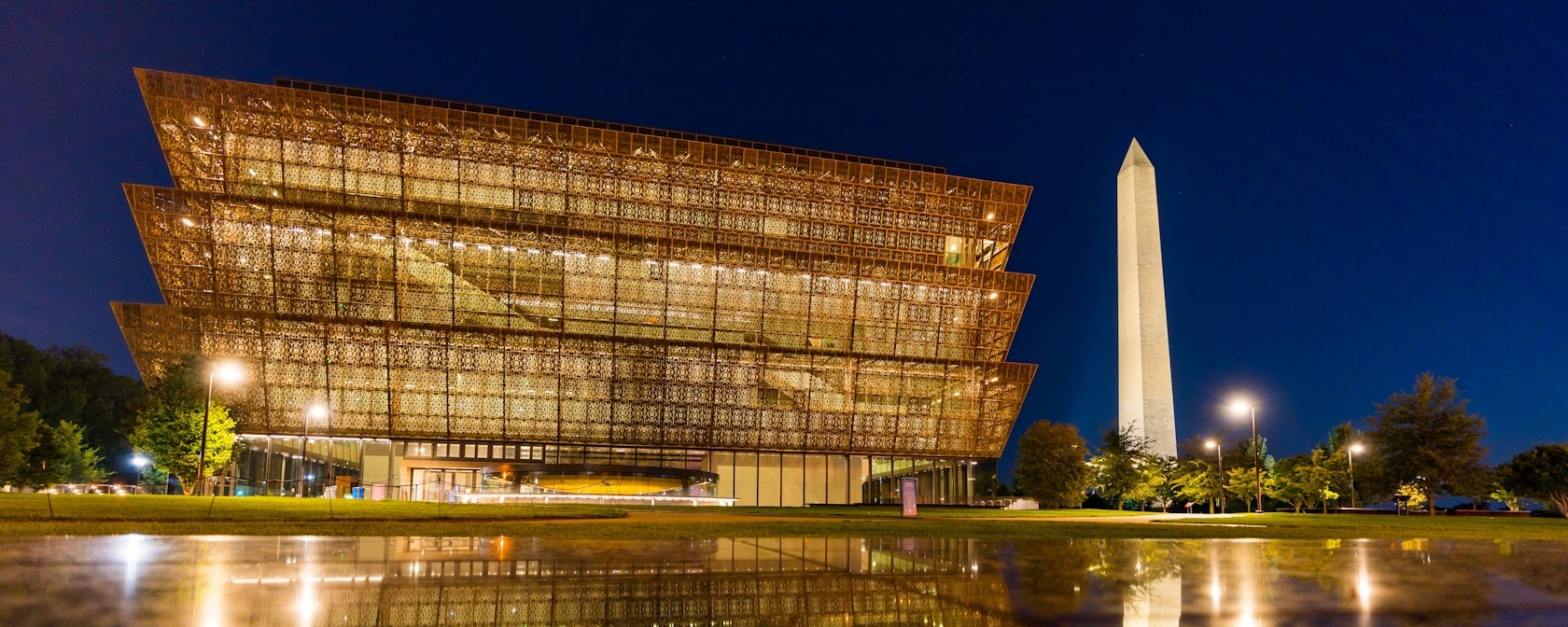
His administration has further ordered reviews of exhibitions at the Smithsonian National Museum of African American History and Culture and other Smithsonian institutions.
Democrats Frame 2026 as a Turning Point
U.S. Rep. Summer Lee, D Pa., argued that the administration’s approach to racial justice extends beyond policy into cultural influence.
“The things that we see Trump attacking are the things that he’s been able to make vulnerable through propaganda and disinformation,” Lee said. She contended that before cutting diversity, equity and inclusion programs, the administration first worked to convince Americans those initiatives were ineffective.
While some Trump policies have faced setbacks in federal court, Lee warned that additional efforts are likely ahead.
“Don’t be fooled. They always have a next thing that they’re looking at,” she said.
Lee added that while Democrats are focused on reclaiming congressional power in November’s midterm elections, the broader struggle is cultural as well as political.
“A political issue, you can vote out,” she said. “You can’t vote out a cultural issue.”