





AT A GLANCE
- Former CNN anchor Don Lemon was taken into federal custody following a protest inside a Minnesota church.
- Authorities have not publicly disclosed charges, raising questions about the legal basis for his detention.
- The case is fueling concerns about press freedom, protest policing, and federal authority in immigration-related demonstrations.
- Civil rights advocates warn the incident could blur the line between journalism, protest observation, and criminal liability.
Arrest Raises Questions About Press Freedom, Protest Policing, and Federal Overreach
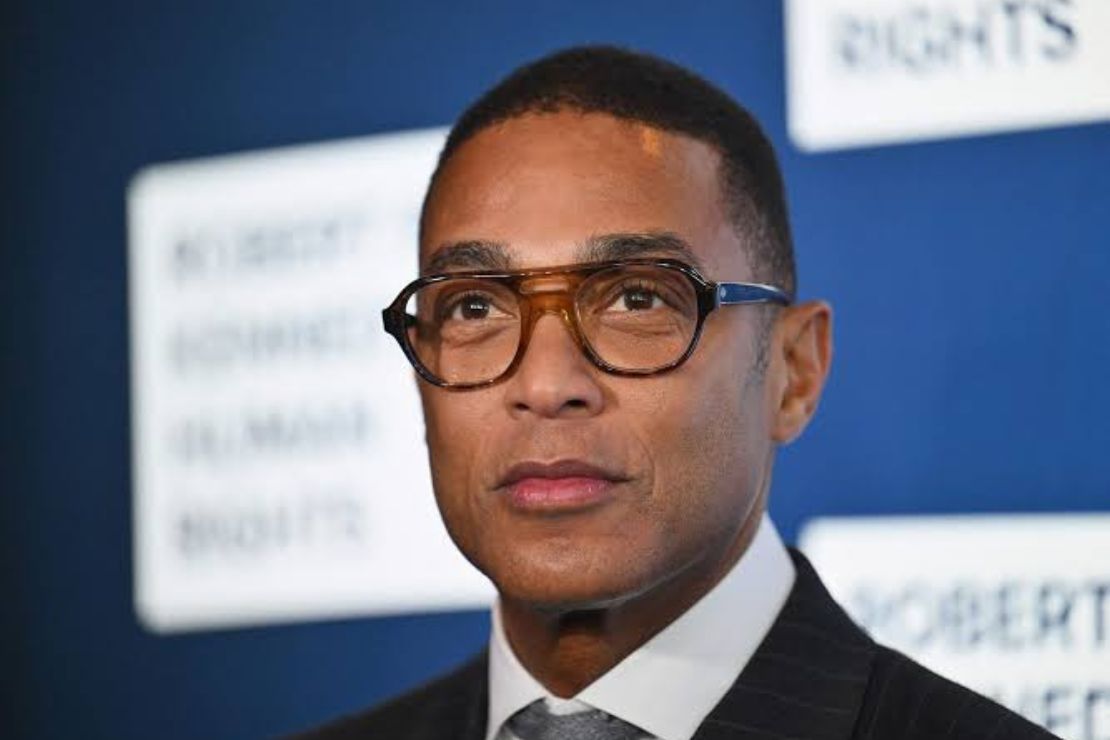
Former CNN anchor Don Lemon was taken into federal custody Thursday in a move that stunned journalists, legal observers, and civil rights advocates nationwide.
Lemon, a longtime television news figure who now works independently, was detained following his involvement in a recent protest inside a church in Minnesota. Authorities have not publicly detailed the charges, but the action marks a dramatic escalation in the federal response to protests tied to immigration enforcement.
As of Thursday afternoon, Lemon’s legal team and federal officials had not released formal statements outlining the basis for his detention.
What Happened at the Church
The incident centers on a protest that took place during services at a Minnesota church earlier this month. Demonstrators entered the sanctuary to oppose what they described as cooperation between church leadership and federal immigration enforcement.
Lemon was present and livestreamed the event, describing his role as documenting the protest and speaking with participants. Federal authorities, however, appear to be treating the incident not as coverage, but as potential criminal activity connected to the disruption.
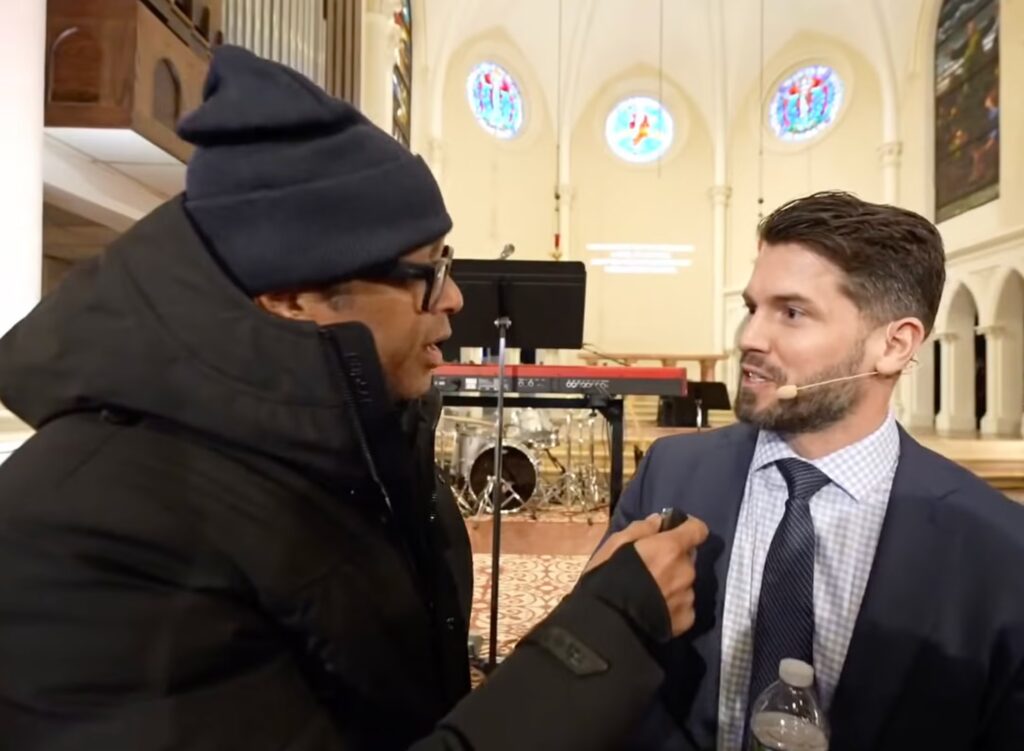
The detention follows growing federal scrutiny of protests involving immigration enforcement — particularly those that take place in sensitive locations such as churches.
Why This Case Is Different
Lemon’s custody stands out because of who he is.
For decades, he operated within mainstream media institutions. His detention signals a moment where even high-profile journalists are not insulated from aggressive enforcement strategies when covering or participating in protest activity.
The move is already intensifying fears that federal authorities are blurring the line between journalism, protest observation, and criminal conduct — especially in cases tied to immigration policy and public dissent.
A Chilling Message
Civil liberties advocates warn the detention sends a chilling message: that documenting or engaging with protest movements — particularly those critical of federal power — can carry serious personal risk.
The case unfolds as immigration enforcement faces mounting scrutiny nationwide over deaths in custody, militarized tactics, and due process concerns. Lemon’s detention places a recognizable face on those broader tensions.
What Comes Next
As of publication, no formal charging documents had been released. Lemon’s legal status and next court appearance remain unclear.
What is clear is this: the detention of a nationally known journalist has shifted the conversation — from abstract policy debates to a stark question about how far federal power is willing to go.