





Is Our System Built to Protect—or Just to Punish?
When someone commits a crime, emotions are high. Victims, families, and communities often want that person to “pay, but here’s the real question: when we punish people, are we doing it for justice or are we simply looking for revenge?
What Does Justice Mean?
Justice is supposed to be about fairness, balance, and safety. The idea is that the punishment should fit the crime and serve a purpose beyond just hurting the offender. True justice aims to protect society, discourage crime, and sometimes even help offenders turn their lives around. In this sense, justice asks, “How do we protect society? How do we discourage crime? How do we give people the chance to change?”
For example, sending someone to jail for theft may stop them from stealing again in the short term, but pairing punishment with job training or education might prevent them from needing to steal in the first place. Justice is meant to repair, not destroy.
What is Revenge?
Revenge, on the other hand, is about payback; it focuses on making someone suffer because they made others suffer. While it may feel satisfying in the moment, revenge doesn’t solve the deeper issues. It doesn’t rebuild communities, repair harm, or prevent future crimes; it merely perpetuates a cycle of pain.
Imagine someone gets a long sentence for a small crime just to “teach them a lesson”. That might make the public feel better for a while, but does it stop crime? Or does it just punish someone harder than necessary? Revenge often keeps the cycle of harm going instead of breaking it.
Justice or Just Vengeance in Disguise
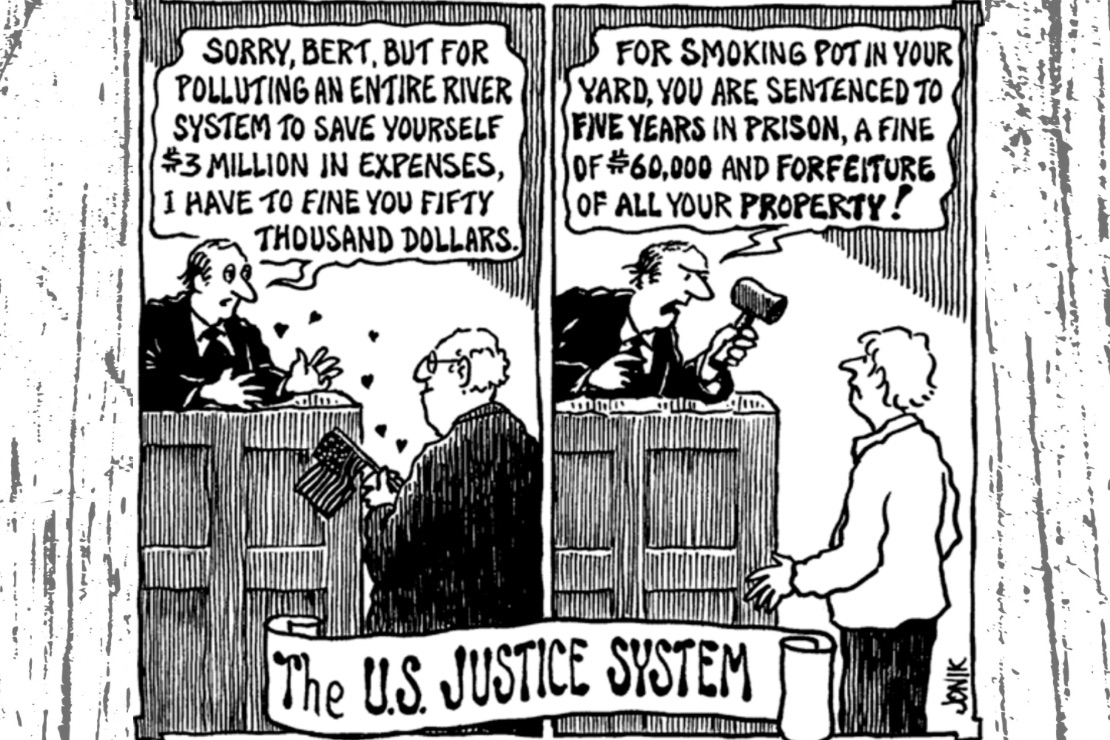
The truth is our justice system often mixes both. Harsh sentences, mandatory minimums, and “tough on crime” laws are examples were anger and politics shape punishment.
Sure, these polices sound strong, but do they make us safer? Research shows long, harsh sentences don’t always stop crime. Overcrowded prisons and repeat offenses suggest that revenge-driven punishments might backfire. They might satisfy public anger, but they don’t always lead to safer communities. Meanwhile, alternatives like rehabilitation, restorative justice, and education programs focus less on payback and more on change.
So, what’s the purpose of punishment? If it’s revenge, then it’s about pain for pain. If it’s justice, then it’s fairness, safety, and growth. Our Society must decide which path it wants to follow. Do we punish to hurt, or do we punish to heal?