





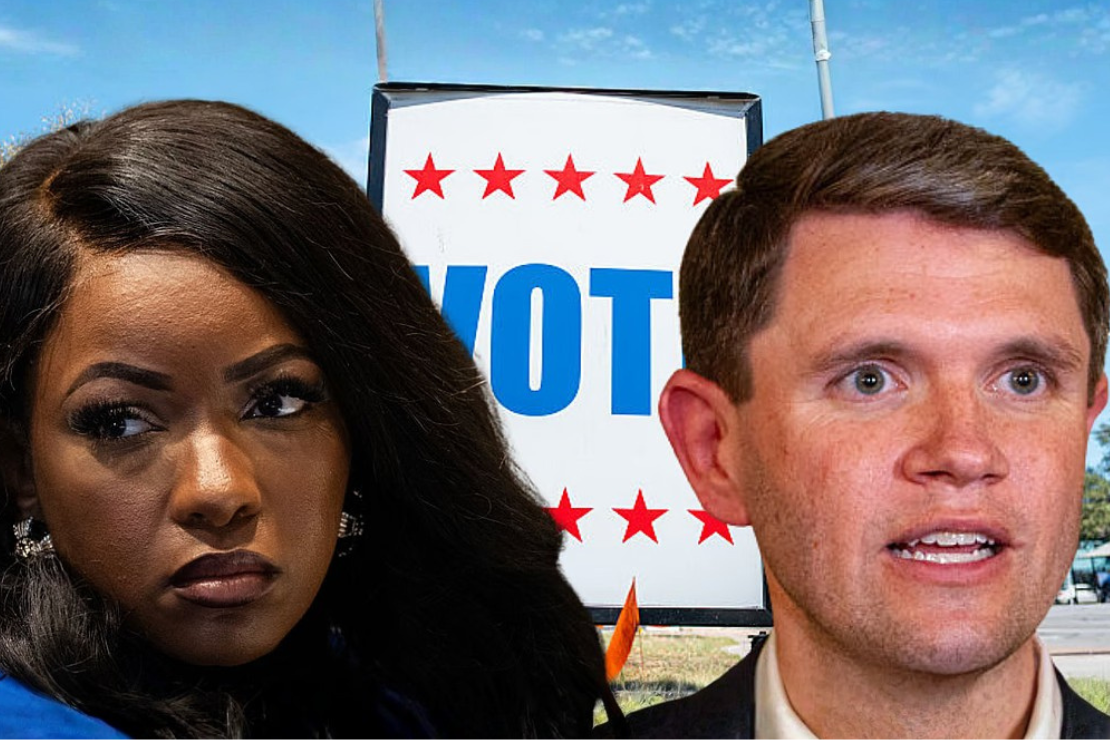
AT A GLANCE
• Hundreds of voters in Dallas County were reportedly turned away from polling places after a sudden change to Election Day voting rules.
• U.S. Rep. Jasmine Crockett said the confusion “disenfranchised” voters in her home district during the Democratic Senate primary.
• A judge briefly extended voting hours to 9 p.m., but the Texas Supreme Court later ruled ballots cast after 7 p.m. must be excluded.
• Texas State Rep. James Talarico ultimately won the Democratic nomination, but the controversy has raised broader questions about voting access in Texas.
Hundreds Turned Away From Dallas Polls as Texas Senate Primary Raises Disenfranchisement Questions
Texas State Rep. James Talarico emerged from the March Democratic primary as the party’s nominee for U.S. Senate, securing the right to advance to the November general election. However, even as the race was called, attention quickly shifted to a series of problems at polling places in Dallas County that left hundreds of voters unable to cast ballots.
The confusion stemmed from a change to the county’s Election Day voting system. For several years, Dallas County had allowed voters to cast ballots at any polling location through a countywide voting system. The process gave voters flexibility and helped accommodate people voting on their way to work, during lunch breaks or between daily errands.
This year, however, voters arriving at familiar polling locations discovered they could only vote at their assigned precinct.
The shift created widespread confusion among voters who had grown accustomed to the countywide system since its implementation in 2019.
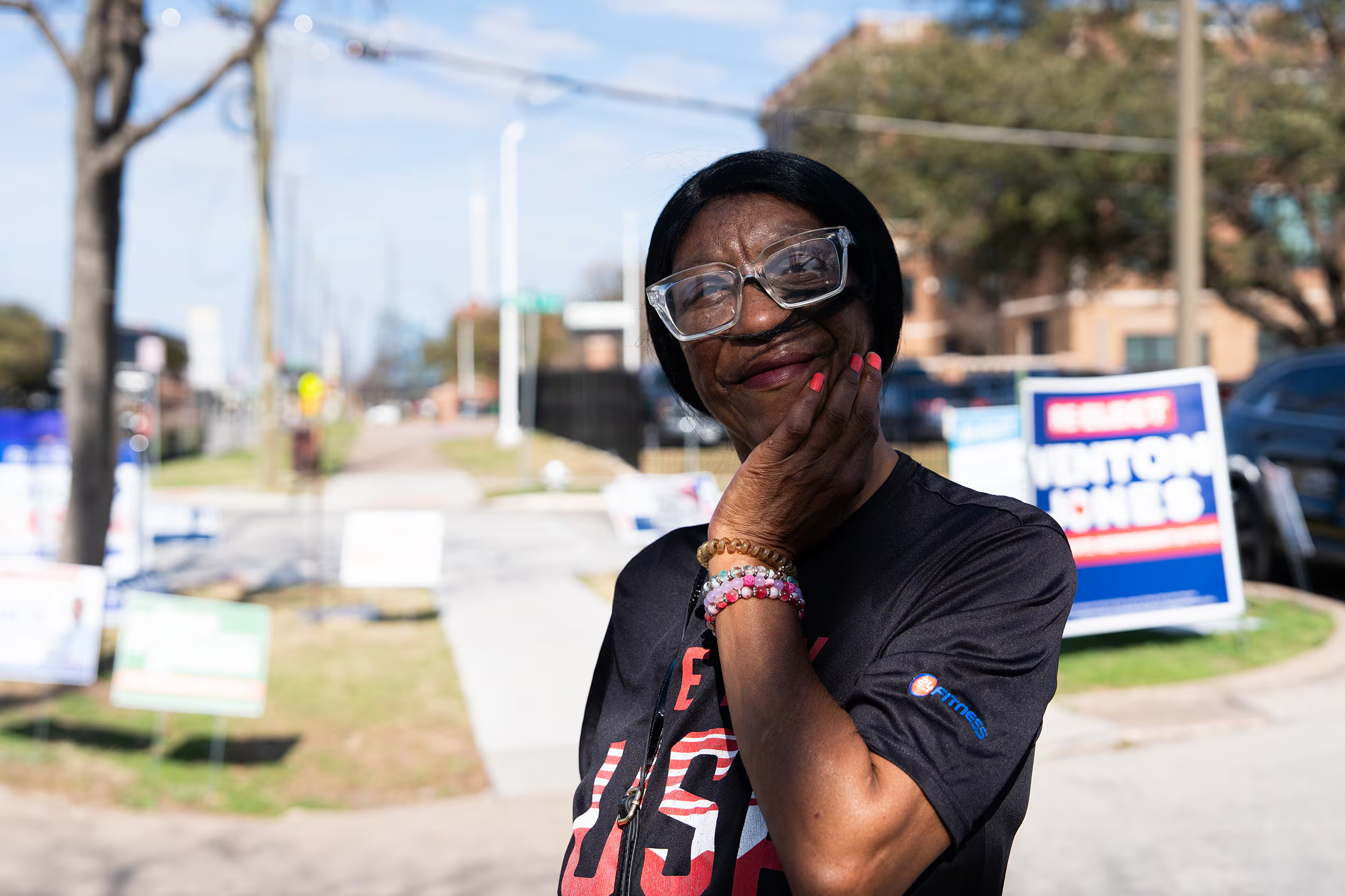
Many residents arrived at polling places expecting to vote quickly, only to learn they needed to travel to a different location across town.
In some cases, voters were turned away entirely.
The situation sparked immediate criticism from voting rights advocates and political leaders who warned that abrupt changes to voting procedures can create barriers for voters.
Crockett Says Voters Were Disenfranchised
U.S. Rep. Jasmine Crockett, who was running against Talarico for the Democratic nomination, said the situation effectively prevented many people from voting.
Speaking to supporters on election night, Crockett said the confusion in Dallas County disrupted the democratic process.
“Dallas County should have the second largest voter participation of any county in this state,” Crockett said. “We don’t have any of the results because there was a lot of confusion today.”
She added, “People have been disenfranchised.”
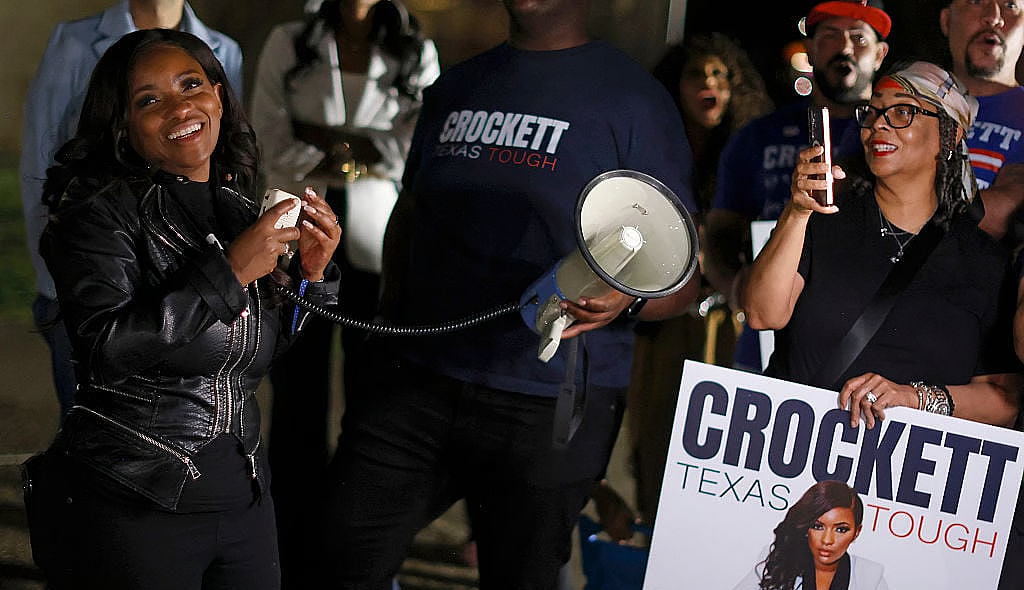
Crockett, a former civil rights attorney and public defender, argued that the last minute changes had the predictable effect of discouraging participation, particularly among voters who could not easily travel to another polling place.
She pointed to the fact that Dallas County includes a large number of working class voters who often vote during short windows of time between work shifts, childcare responsibilities and other obligations.
When those voters arrive at the polls and are told they must travel elsewhere to vote, many simply cannot make the additional trip.
“This effort to suppress the vote, to confuse and inconvenience voters is having its intended effect as people are being turned away from the polls,” Crockett said in a statement released during Election Day.
Republican Led Change to Voting Procedures
According to local reporting, the change was triggered by a decision tied to the Dallas County Republican Party.
Under state law, once the Republican Party opted to return to precinct based voting on Election Day, local Democratic officials were required to follow the same system.
The decision effectively eliminated the countywide voting approach voters had used for several election cycles.
Voting rights advocates say the change highlights how election rules can shift quickly in Texas, sometimes leaving voters unaware until they arrive at the polls.
Democratic Party Chair Kardal Coleman told reporters the change was expected to cause confusion.
“This is not just disenfranchising Democratic voters,” Coleman said. “This is disenfranchising everyone, and this is a problem that we didn’t need.”
He added that local officials had warned the change could disrupt Election Day turnout.
“Now we’re seeing chaos ensue on Election Day,” Coleman said.
Advocates noted that changes to voting procedures often have the greatest impact on communities that already face barriers to participation, including voters who rely on public transportation or cannot easily travel long distances to find a new polling location.
Courts Step In as Confusion Grows
As reports of voter confusion spread throughout the day, legal challenges quickly followed.
A judge initially ordered polling places in Dallas County to remain open until 9 p.m. in an effort to allow additional time for voters who had been affected by the confusion.
Under that order, votes cast between 7 p.m. and 9 p.m. were expected to be counted as provisional ballots.
However, the Texas Supreme Court later intervened and ruled that ballots cast after the original closing time of 7 p.m. must be excluded from the official vote count.
The ruling created further uncertainty for voters and election officials.
Crockett questioned how election workers would determine which voters were already in line before the original 7 p.m. deadline.
“I have no idea how it is the clerks are going to know who was in line by what time,” Crockett told supporters. “Because the rule is that if you’re in line by 7, then you get to vote.”
She noted that once the court ordered the extension to 9 p.m., additional voters likely joined the lines, believing they would still be allowed to cast ballots.
Separating those ballots afterward, she argued, would be complicated and potentially controversial.
A Historic Campaign and a Hard Fought Race
The Democratic primary between Crockett and Talarico drew national attention as the party searched for a candidate capable of challenging Republican Sen. John Cornyn in the general election.
Crockett sought to make history as the first Black woman to win a party nomination for U.S. Senate in Texas and, ultimately, the first Black woman elected to represent the state in the chamber.
Texas has not elected a Democrat to the U.S. Senate since 1988.
Supporters of Crockett argued that her outspoken style and background as a civil rights attorney could energize voters across the state.
However, critics questioned whether her confrontational rhetoric toward Republicans, including President Donald Trump and Texas Governor Greg Abbott, could hurt Democratic chances in a traditionally conservative state.
Crockett also spoke openly during the campaign about what she described as bias directed toward Black women candidates within the Democratic Party.
“I think that it speaks to the larger issue that a lot of minorities, specifically, have with the Democratic Party in general,” Crockett said in a recent interview.
“We know that the most loyal voting bloc when it comes to Democrats is actually Black women,” she added.
“It is all good for us to labor, and then there are all kinds of excuses that have nothing to do with credentials.”
Talarico Focuses on Broad Coalition
Talarico, a former teacher and theologian in training, ran a campaign focused on appealing to a broader coalition of voters, including moderates and rural Texans who may be disillusioned with the Republican Party.
The 36 year old state representative emphasized themes of democracy reform, economic fairness and restoring trust in government.
“My campaign has done a lot of work to get young people to take ownership of the democratic process,” Talarico said on election night.
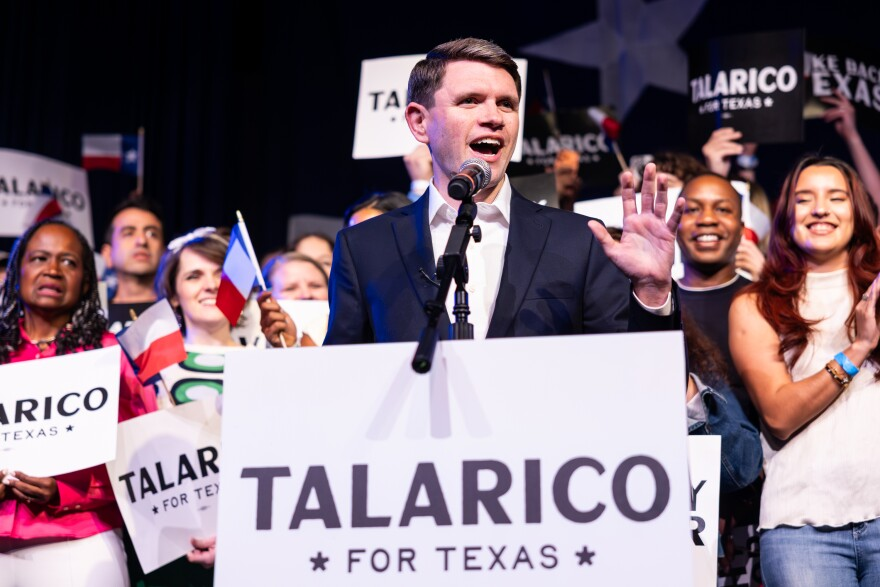
He said the campaign was built around the idea that voters across the political spectrum are increasingly frustrated with what they see as corruption and extremism in government.
“There’s a bipartisan backlash to the extremism and the corruption in our government,” he said.
Talarico also sought to connect with younger voters who often feel disengaged from the political process.
His campaign focused heavily on digital outreach and grassroots organizing.
Voting Controversy May Continue Beyond the Primary
Even though the primary race has been called, the voting confusion in Dallas County could continue to spark debate about election administration in Texas.
Voting rights groups have long argued that sudden changes to election procedures can erode voter confidence and discourage participation.
For Crockett and many of her supporters, the situation underscores the need for clearer and more consistent voting rules.
She urged voters not to be discouraged by the experience. “Do not give up and do not give in,” Crockett told supporters.
“The only way we can put an end to these maneuvers is by outvoting the Republicans and kicking them out of office.”
As Texas heads toward the November general election, the controversy surrounding the Dallas County voting changes is likely to remain part of the broader conversation about voting access and election fairness across the state.