





Exploring the Connection Between “Uncle Tom,” Racial Nostalgia, and Historical White Supremacy
There is a historic connection between the terms Auntie (or Aunt), Uncle, and Sambo as they refer to either loyal slaves or traitors to others. The Term “Uncle Tom” arose from an anti-slavery novel by Harriet Beecher Stowe call “Uncle Tom’s Cabin” (1852). Now, we are seeing people saying that the “Uncle Tom” in the novel was a good man. However, Ms. Stove presented him as a very loyal slave to show how Black men needed to be servants no matter how badly they were treated. Harriet Beech Stowe was influenced by white supremacy and though the book was anti-slavery it was also anti-Black. White abolitionists tried to soft ball their opposition to slavery by speaking out of both sides of their mouths. On the one hand, they opposed slavery, but on the other hand sought to soften up their position by making the public believe that Blacks could still service the needs of whites even when freed. This novel would indeed set the stage for all of the negative terms that would evolve from it.
After slavery, the need for nostalgia set it. According to the dictionary,
“Nostalgia a sad pleasure experienced in recalling what no longer exists: a wistful or sentimental yearning for a return to or the return of some real or romanticized past period or some irrecoverable past condition or setting.” The nostalgia of the former slave owners, and white supremacists in general, was a longing for the days of slavery, when Black slaves would cook their food, wash their clothes, shine their shoes, pick their cotton, and do whatever was demanded of them.
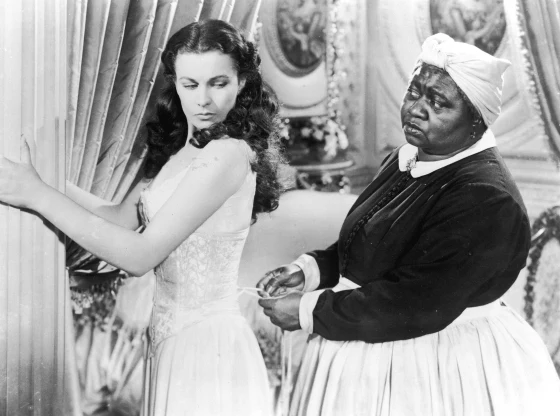
The movie “Gone with the Wind,” one of the most racist films of all time, was the result of white supremacist nostalgia. When slavery ended, though it never really ended, racialized whites wanted a reminder of those “good ole days” or ‘happy days” when whites where totally in control. Reconstruction brought fear to many whites who expressed the idea that if Blacks controlled the system they would no longer be superior. The idea of white superiority was already in effect for hundreds of years before the Civil War and was like a pandemic.
Once the novel became a distant memory new form of racist nostalgia took place. Big businesses tapped into this longing and produced racist product packages. “Aunt Jemima Pancakes” became a way to put Blacks in the kitchen and away from jobs that were reserved for whites. In 1889, a flour mill owner produced ready-mixed pancake batter. It originally was without a name, but after seeing a black-faced “cakewalk” called “Aunt Jemina” an infamous Black woman was placed on the box. She was dressed with a kitchen scarf on her head and a white apron; it became a joyous return to loyal Blacks in the kitchen. Nancy Green, became the physical symbol for this racist business endeavor.

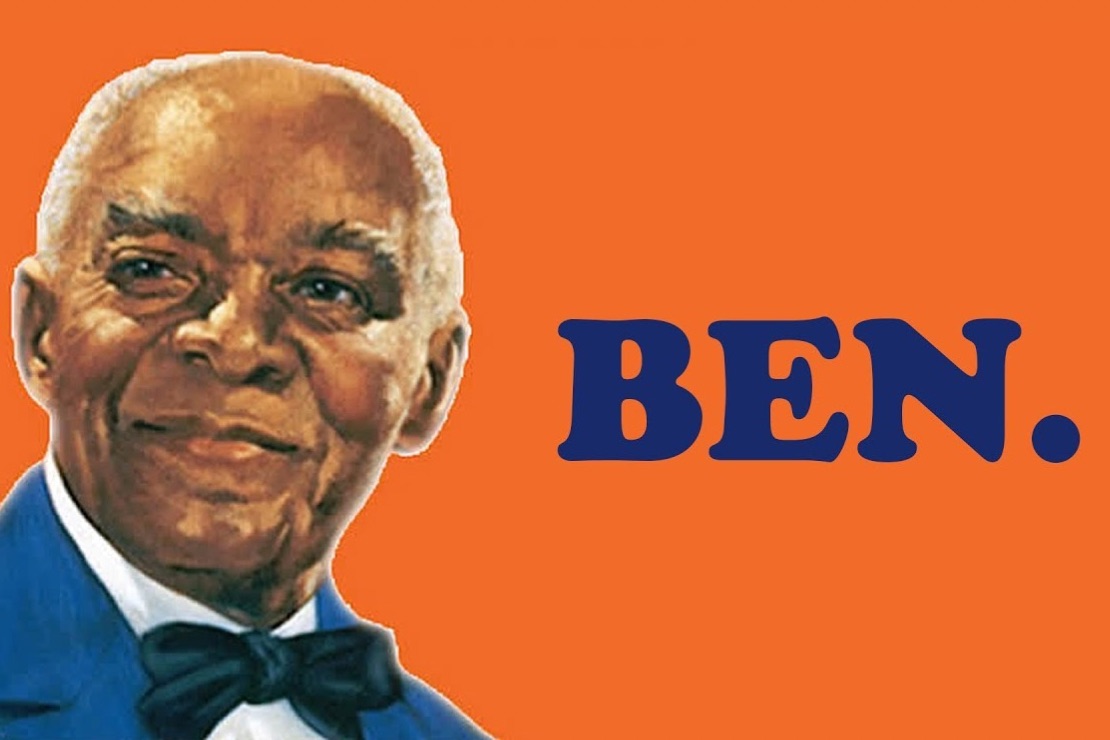
Nancy Green was born into slavery and would appear at the Chicago Exposition (1893). She was placed in a booth that resembled a giant flour barrel and greeted visitors with slave songs and pancakes. She became the symbol of sucking up to whites. Later, “Cream of Wheat” appeared with Rastus, a loyal Black cook, and soon “Uncle Ben’s Rice” appeared. Little Black Sambo was also a racist image that was used to make fun of Blacks and show servitude to racism. All of this can be traced back to the novel and how “Uncle Tom” became the universal term for sellouts. Uncle Tom never went away. “Make America Great Again” is the current form of racist nostalgia.