





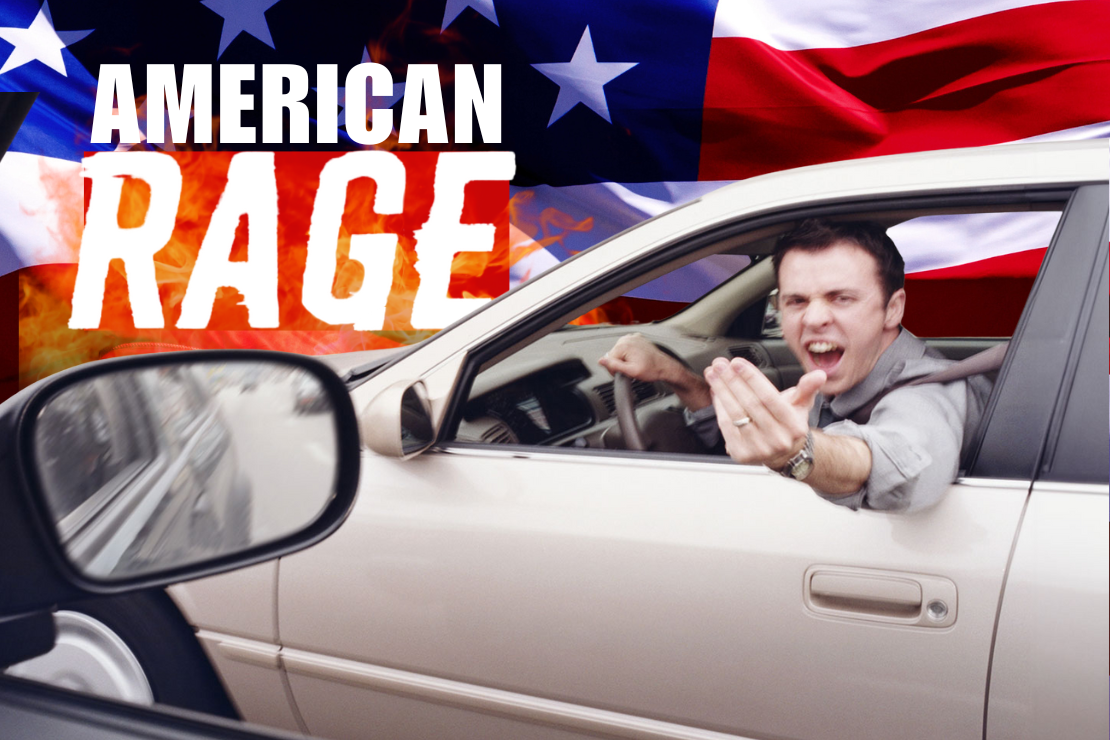
From Road Rage to Respect: Rethinking Everyday Conflict in Our Society
(Op-Ed by Kasey Barrett) — Not long ago, I sat at a red light near Loop 410 here in San Antonio and watched two drivers nearly come to blows over a merge. One honked, the other slammed on the brakes, and both rolled down their windows to shout insults. Nothing serious had happened, no crash or injury, just a delay of seconds. Yet the conflict ballooned as though one had deeply wronged the other. This was not just about traffic. It was a mirror reflecting how poorly we handle conflict in our city and in our society.
It Begins Small
We often think of conflict in terms of war, politics, or lawsuits, but most conflict begins in small, everyday interactions. Road rage is one of the most visible examples. Something as ordinary as slowing down for a turn onto Culebra Road or Bandera can spark aggression and even violence. These escalations remind us that many of us were never taught how to de-escalate, communicate, or extend patience. Instead, our culture rewards speed, dominance, and the idea of winning.
What happens in traffic often happens in other areas of life. Drivers battle for lanes as if only one person can move forward. In politics, community debates, or family disagreements, people approach conflict with the same mentality. The person who yells the loudest, cuts ahead, or refuses to yield is seen as victorious. But in truth, everyone loses when respect is tossed aside.
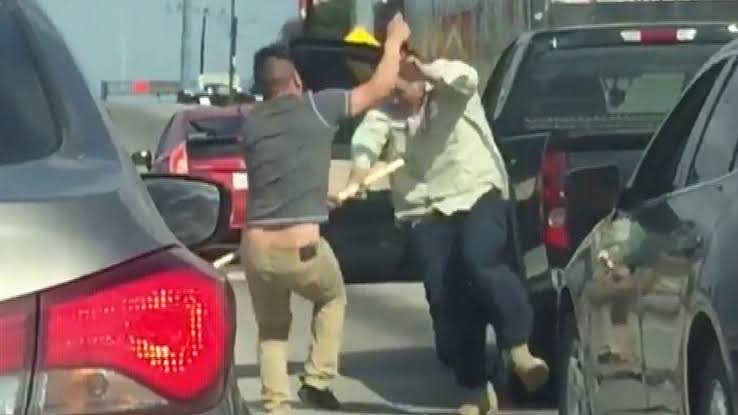
Anonymity Fuels Hostility
Behind the wheel, drivers feel emboldened by anonymity. Shielded by glass and metal, people lash out in ways they would never do face to face. The same phenomenon occurs online. Social media has become another highway where people cut off opposing viewpoints and escalate conflict with no thought for the person on the other side of the screen.
If our daily frustrations, whether in traffic or online, are left unchecked, they reinforce a culture of hostility. The danger is not just bruised egos or wasted energy, but the way these patterns bleed into bigger issues. If we cannot resolve who goes first at a stop sign on Military Drive, how can we hope to resolve disputes about housing, healthcare, or justice in Bexar County?
Why We Struggle With Conflict
One reason for this cycle is that conflict resolution is rarely taught. Schools emphasize math, science, and reading, but rarely teach young people how to navigate disagreement. In many workplaces, conflict resolution means filing a complaint or ignoring the problem. In families, children are told to just get along without being shown how. We grow into adults who know how to defend ourselves but not how to listen, who know how to win but not how to compromise.
Building Conflict Resolution Skills
So how do we fix it? The answer begins with small shifts in how we approach everyday situations. Frustration is natural, but escalation is a choice. Simple strategies like pausing to breathe, reframing the situation, or assuming good intent can keep emotions in check. Was that driver really cutting you off, or were they simply distracted or lost trying to navigate Loop 1604? Extending the benefit of the doubt costs nothing, but it can prevent anger from spiraling.
We also need to normalize conflict resolution education. Schools in San Antonio should teach negotiation, listening, and empathy as core skills. Workplaces should train employees not just in policies but in real communication strategies. Public campaigns could promote courtesy on the road in the same way they promote seatbelt safety or safe driving around the Alamo City.
Practicing Respect in Everyday Life
And we must practice respect in small ways. Let someone merge with a wave and a smile. Thank the cashier even when the line is long at H-E-B. Resist the urge to type the sharp comeback on social media. These moments may seem trivial, but they build habits of patience and empathy that make larger conflicts easier to navigate.
Conflict is not going away. Differences in opinion and values are part of life in a diverse city like San Antonio. But conflict does not have to mean combat. If we can learn to treat each other with respect in everyday settings, we strengthen the foundation for handling larger disagreements.
The Road as a Metaphor for San Antonio
The road is a fitting metaphor for our city: crowded, fast, and full of people with different destinations. Just as traffic flows more smoothly when drivers practice patience, our neighborhoods thrive when we approach conflict with respect. If we can learn to merge on the road with grace, maybe we can also learn to merge our differences with empathy right here in San Antonio.