




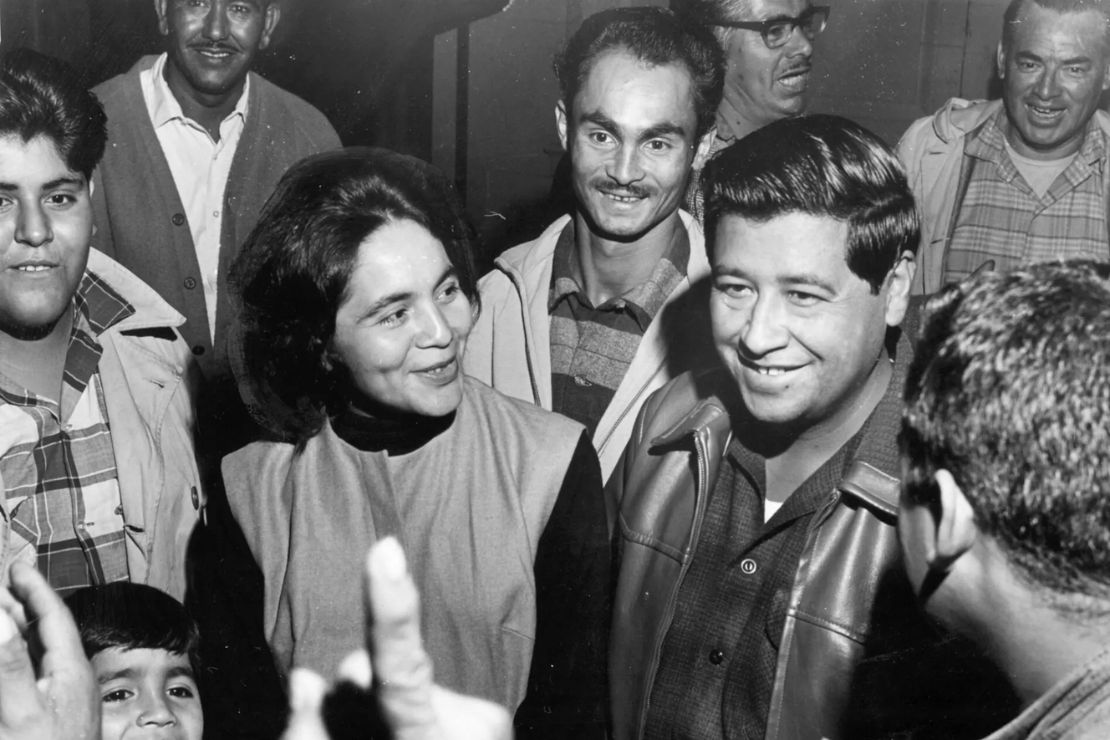
Cesar Chavez Allegations Shake Legacy of Civil Rights Icon, Unions and Institutions Pull Support
A sweeping new investigation by The New York Times has brought forward serious and deeply troubling allegations against Cesar Chavez, one of the most revered civil rights leaders in American history, accusing him of sexually abusing women and minors during the height of his influence within the United Farm Workers movement.
The findings, published following an extensive review of historical records and firsthand accounts, paint a stark and complicated portrait of a man long celebrated for advancing labor rights and organizing farmworkers across the United States in the 1960s and 1970s.
According to the investigation, the allegations are supported by interviews with more than 60 individuals, including former aides, relatives, union members, and those who worked closely within the movement.
Investigators also reviewed hundreds of pages of union records, confidential emails, photographs, and audio recordings from United Farm Workers board meetings.
Among the most serious claims are accounts from two women who said they were 12 and 13 years old when Chavez first sexually abused them.
Their stories, according to the report, were corroborated by individuals they confided in both at the time and in later years, as well as by supporting documentation tied to the movement.
The investigation further alleges that Chavez engaged in a broader pattern of sexual misconduct, including exploiting women who were working or volunteering within the organization he led.
Dolores Huerta Accuses Chavez of Sexual Assault
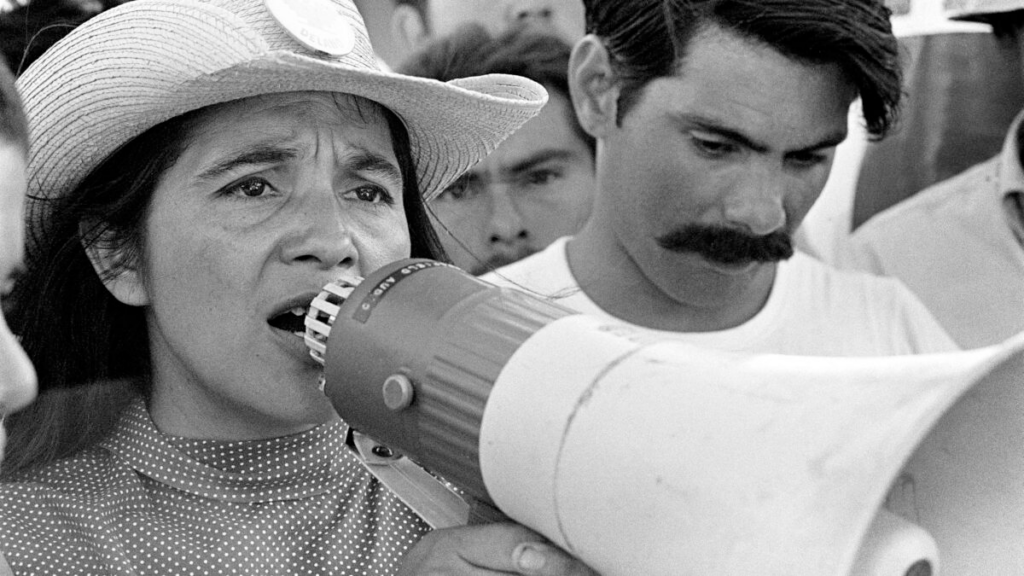
Perhaps the most high profile allegation comes from Dolores Huerta, Chavez’s longtime colleague and co founder of what became the United Farm Workers.
In a public statement, Huerta said Chavez sexually assaulted her on two separate occasions during the early years of the movement.
“The first time I was manipulated and pressured into having sex with him, and I didn’t feel I could say no because he was someone that I admired, my boss and the leader of the movement I had already devoted years of my life to,” Huerta said.
She described a second encounter as forced, saying she was placed in a situation where she felt she had no control.
“The second time I was forced, against my will, and in an environment where I felt trapped,” she said.
Huerta, now 96, said she chose to keep the incidents private for decades out of concern that exposing the truth could harm the farmworker movement she helped build. “I kept it a secret because I believed exposing the truth would hurt the farmworker movement I have spent my entire life fighting for,” she said.
She also revealed that both encounters resulted in pregnancies. According to her statement, two children were born and later placed with other families.
Huerta did not respond to additional requests for comment, with her spokesperson directing inquiries back to her original statement. The investigation noted that her allegations could not be independently corroborated.
Silence, Power and the Movement
The report suggests that Huerta’s experience was not isolated, but part of a broader culture of silence within the movement, where power dynamics and the importance of protecting the cause discouraged individuals from speaking out.
Many of the women who came forward said they remained silent for years, in some cases decades, due to feelings of shame, fear of retaliation, or concern that speaking publicly would damage the reputation of a leader who had become synonymous with Latino civil rights.
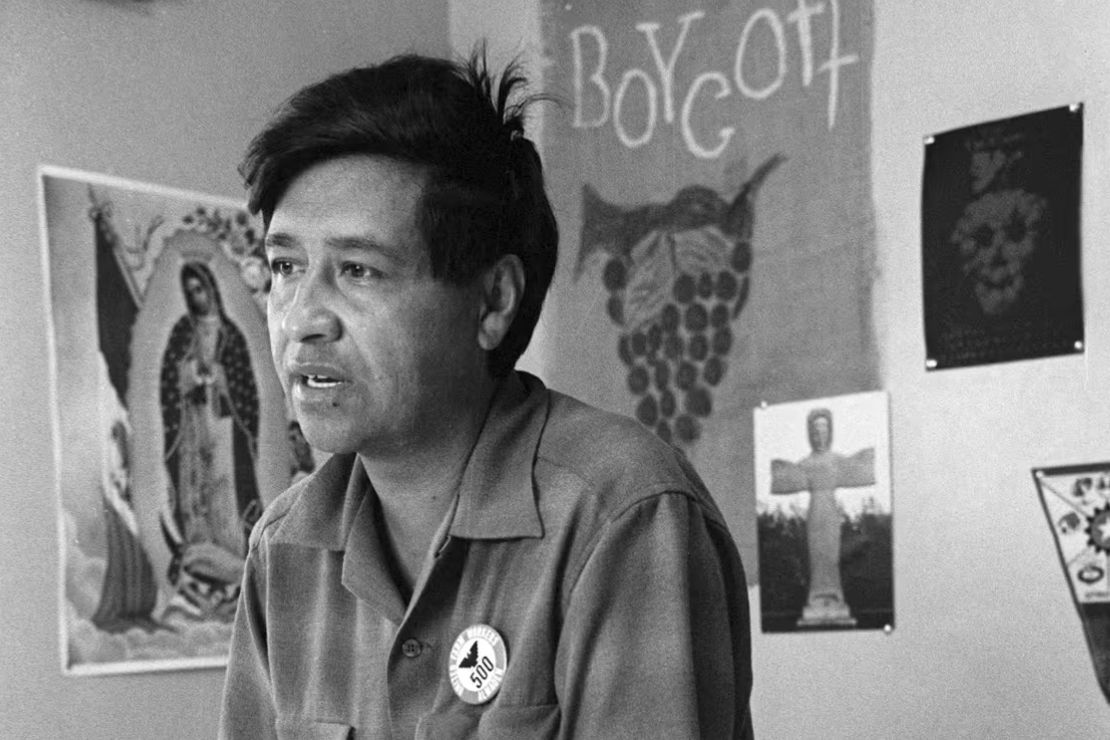
Chavez, who was Mexican American, has long been considered a foundational figure in the fight for farmworker protections, labor organizing, and social justice. His work helped shape national conversations around workers’ rights and inspired generations of activists.
But the investigation alleges that behind the public image, Chavez used his authority within the movement to manipulate and exploit women, including those who were young and deeply committed to the cause.
The findings describe instances where women felt unable to refuse advances due to Chavez’s position as both a leader and a figure of admiration.
Family Responds to Allegations
In response to the allegations, Chavez’s family issued a statement expressing shock and sadness.
“Our family is shocked and saddened to learn of news that our father, Cesar Chavez, engaged in sexual impropriety with women and minors nearly 50 years ago,” the statement said.
“As a family steeped in the values of equity and justice, we honor the voices of those who feel unheard and who report sexual abuse. This is deeply painful to our family.”
The family asked for privacy as they process the information, while also acknowledging the seriousness of the claims.
“We will process and be responsive to the experiences of others as we hold cherished memories of our father,” the statement continued. “We hope that these conversations are approached with care, fairness, and compassion for everyone involved.”
Fallout Reaches San Antonio and Beyond
The impact of the allegations is already being felt across the country, including in San Antonio, where Chavez has long been honored through annual events and community celebrations.
The United Farm Workers announced it will not participate in Cesar Chavez Day activities this year, stating that it recently became aware of the allegations and describing them as serious and inconsistent with the organization’s values.
“These allegations have been profoundly shocking,” the union said in a statement. “We need some time to get this right, including to ensure robust, trauma informed services are available to those who may need it.”
Organizers in San Antonio confirmed that the 2026 Cesar E. Chavez March for Justice, an annual event first held in 1997 that typically draws thousands of participants, will not take place this year.
The Alamo Colleges District also announced changes to its planned March 31 observance. While campuses will remain closed as scheduled, officials said the day will shift away from traditional recognition of Chavez and instead focus on community service and volunteer efforts.
District leaders said they will continue to evaluate future observances as part of their standard review process.
Several communities across the country have also canceled or modified Cesar Chavez Day events as the allegations continue to surface.
A National Reckoning Over Legacy
For decades, Cesar Chavez has been honored at the highest levels of government. His birthday, March 31, was designated Cesar Chavez Day by President Barack Obama in 2014 and is recognized as a state holiday in California.
Streets, schools, and public institutions across the country bear his name, and his image has become a lasting symbol of the struggle for farmworker rights and Latino equality in the United States.
Now, those same communities are being forced to confront a more complicated and painful narrative.
The allegations have sparked a broader national conversation about how to reconcile Chavez’s contributions to civil rights with the claims of abuse brought forward by women who say they were harmed.
The United Farm Workers acknowledged that while some of the allegations may involve personal or family matters, others involving young women and minors are especially concerning.
“Allegations that very young women or girls may have been victimized are crushing,” the union said.
The Cesar Chavez Foundation also said it had become aware of “very troubling allegations,” signaling the depth of concern among organizations tied to his legacy.
Moving Forward
As institutions, organizations, and communities continue to respond, the allegations are expected to prompt ongoing discussions about accountability, historical memory, and the complexities of leadership within social movements.