






A Familiar Playbook for Cities and Sports Owners as Kansas Lawmakers Consider Major Stadium Proposal
Updated at 11/23 6:20 a.m.– Kansas lawmakers unanimously voted Monday to approve an offer that would move the Kansas City Chiefs to Kansas, marking a decisive step in the franchise’s potential relocation.
“This agreement to bring the Chiefs to Kansas takes our state to the next level,” Kansas Gov. Laura Kelly said, calling the project a “game-changer” that would create jobs, attract tourism, and elevate the state’s national profile.
Kansas lawmakers were poised to vote on a proposal that could lure the Kansas City Chiefs across the state line from Missouri, and replace popular but aging Arrowhead Stadium with a new facility capable of hosting major year-round events.
The meeting of the Legislative Coordinating Council, which includes the state’s top lawmakers, was attended by Chiefs owner Clark Hunt and other team officials. Under the proposal, the team would remain at Arrowhead Stadium until its lease expires in 2031. After that, a new domed stadium that could cost upwards of $2 billion would be built in Wyandotte County, Kansas, with a practice facility located in Olathe.
The state’s proposal would allow for STAR bonds to be issued to cover up to 70% of the overall cost of the project. They would be paid off with state sales and liquor tax revenues generated in a defined area around the sports complex.
The same bonding process was used to build Kansas Speedway and the surrounding shopping and entertainment district, known as The Legends, in Kansas City, Kansas — the area where a future stadium for the Chiefs is most likely to be built.
The area is also home to Children’s Mercy Park, where Sporting Kansas City of Major League Soccer plays its home matches.
“The state of Kansas is in active discussions with the Kansas City Chiefs about the prospects of building a new stadium and other facilities in Kansas,” the Kansas Department of Commerce said last week. “No final agreement has been reached, but this would be a massive economic win for Kansas and benefit Kansans for generations to come. We are aggressively pursuing this opportunity.”
The move by the Chiefs would be a massive blow to Missouri lawmakers and Gov. Mike Kehoe, who have been working on a package of their own to prevent a second NFL franchise in a decade from leaving their borders. The Rams departed St. Louis for Los Angeles a decade ago in part because of their inability to secure funding to help replace The Dome at America’s Center.
Kehoe backed a special legislative session in June to authorize bonds covering up to 50% of the cost of new or renovated stadiums, plus up to $50 million of tax credits for each stadium and unspecified aid from local governments.
The special session came in response to Kansas lawmakers approving their bond package.
The Chiefs originally planned an $800 million renovation of Arrowhead Stadium in a joint effort with the Kansas City Royals, who are similarly planning to build a new facility to replace Kauffman Stadium — which sits a couple of hundred yards across a parking lot from Arrowhead Stadium — when the two teams’ leases with Jackson County, Missouri, expire in January 2031.
But after county voters soundly defeated a local sales tax extension last year, the Royals and Chiefs began work on separate plans.
The Royals will not be discussed by Kansas lawmakers Monday, but momentum appears to be building behind their own move across the state line. An affiliate of the club already has purchased the mortgage on a tract of land in Overland Park, Kansas.
Quinton Lucas, the mayor of Kansas City, Missouri, has been working to keep both franchises on the Missouri side of the state line. He said in a statement over the weekend that negotiations had continued with the Chiefs throughout last week.
“We’ll reserve further comment until we hear from the Kansas City Chiefs,” Lucas said.
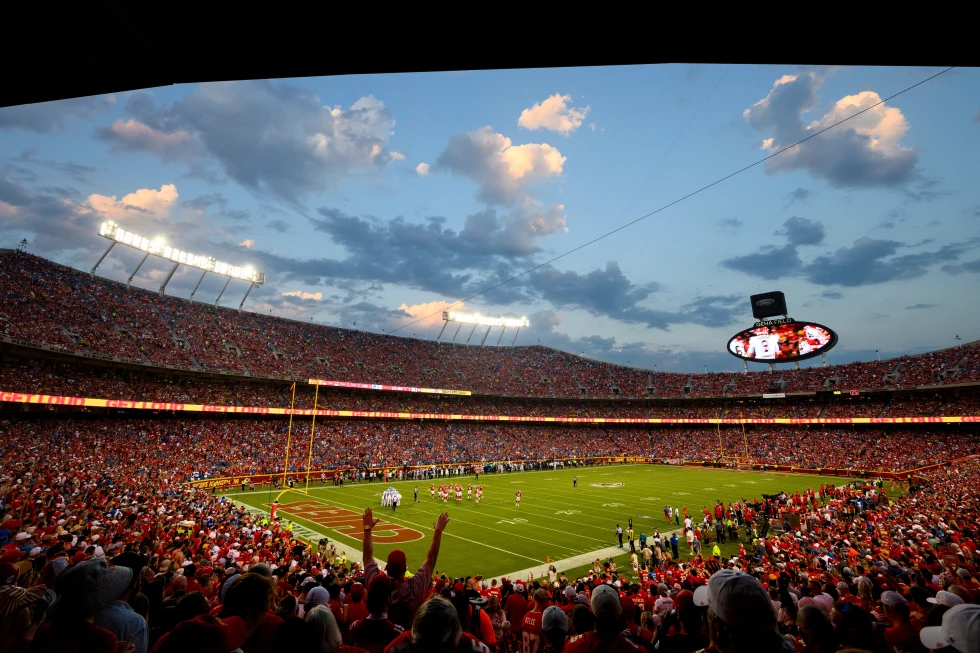
Hunt has long said his preference was to renovate Arrowhead Stadium, which was beloved by his father and team founder, the late Lamar Hunt. It is considered one of the jewels of the NFL, alongside Lambeau Field in Green Bay, and is revered for its tailgating scene and home-field advantage; it currently holds the Guinness World Record for the loudest stadium roar.
This summer, Arrowhead Stadium will host six World Cup matches, including matches in the Round of 32 and quarterfinals.
A Familiar Debate for Cities Like San Antonio
Kansas lawmakers’ push to lure the Kansas City Chiefs across state lines echoes a broader national trend playing out in cities far from Missouri, including San Antonio.
Across the country, professional sports franchises are increasingly using the threat of relocation or major redevelopment to secure public funding, tax incentives, and long-term political commitments.
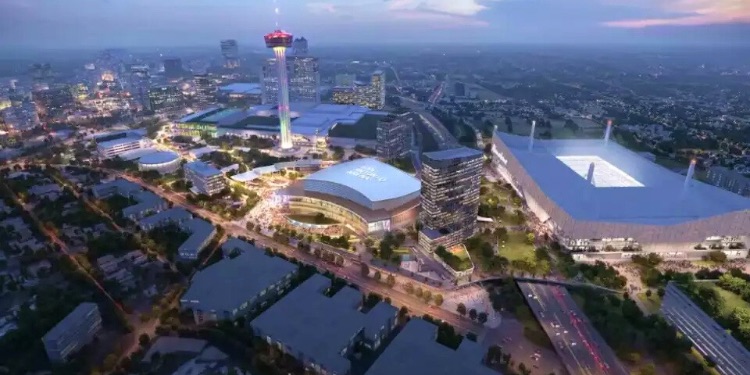
The Chiefs’ potential move, backed by STAR bonds covering up to 70% of construction costs, mirrors the same public-private financing debates now unfolding in Texas around San Antonio’s proposed downtown arena for the San Antonio Spurs.
While the Spurs’ situation involves the NBA rather than the NFL, the underlying questions are strikingly similar. Such as how much public money should subsidize privately owned teams, what guarantees communities receive in return, and whether economic impact projections match reality.
In both cases, supporters argue new stadiums generate year-round revenue, tourism, and global events, while critics warn taxpayers are often left footing the bill long after the novelty fades.
Several San Antonio officials have emphasized redevelopment, civic use, and downtown revitalization tied to the Spurs’ future arena. Kansas lawmakers are making comparable arguments, pitching a Chiefs stadium as a multi-use destination capable of hosting concerts, World Cup events, and even a Super Bowl. The scale differs, but the playbook does not.
As cities like San Antonio weigh billion-dollar sports investments, the Kansas City-Kansas showdown offers a real-time case study in how leverage, loyalty, and public dollars collide when franchises decide their next home may depend less on tradition and more on who writes the biggest check.