





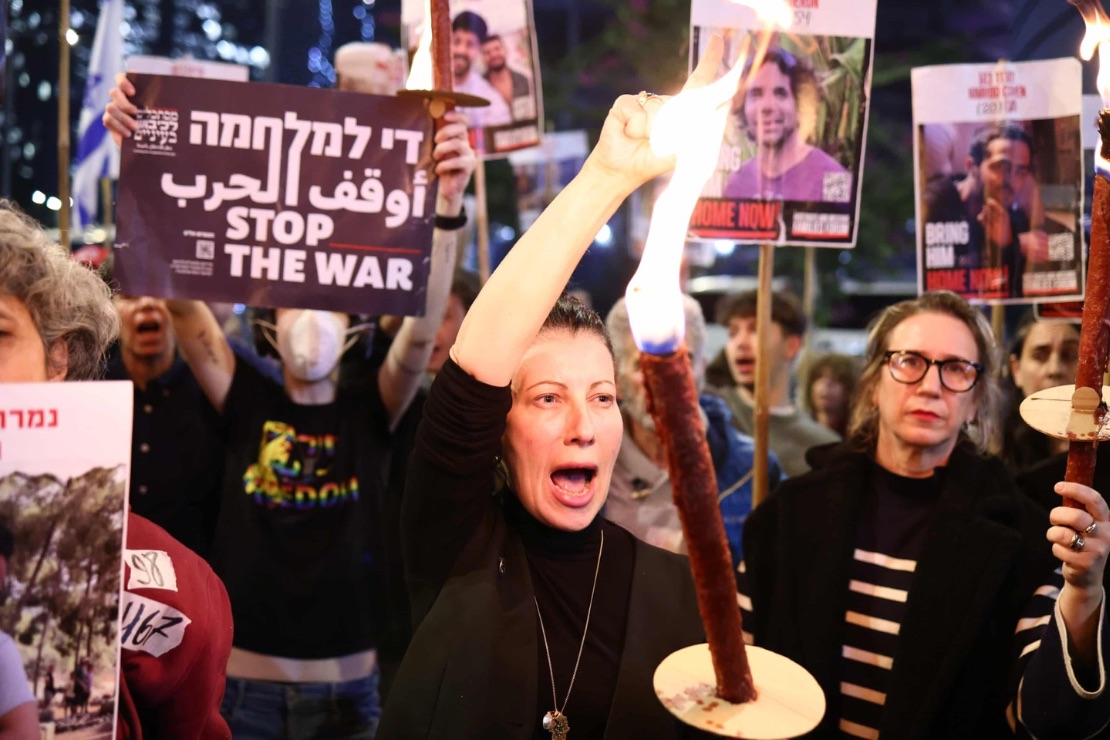
Ceasefire Brings Release of Hostages and Palestinian Prisoners
In a tense dawn breaking over Gaza, the streets were quieter than in weeks past. The air still crackled with uncertainty, but for a few families, the hush carried hope: after brutal months of war, a ceasefire deal had been struck, and with it, the release of hostages and Palestinian prisoners.
A reporter watched from the edge of a makeshift press zone outside a Gaza City facility, where a battered stretch of sidewalk bore witness to both anguish and relief. Soldiers and negotiators lingered; cameras focused; relatives held vigil. Then came the first vehicles, carrying those neither free nor captive just hours before.
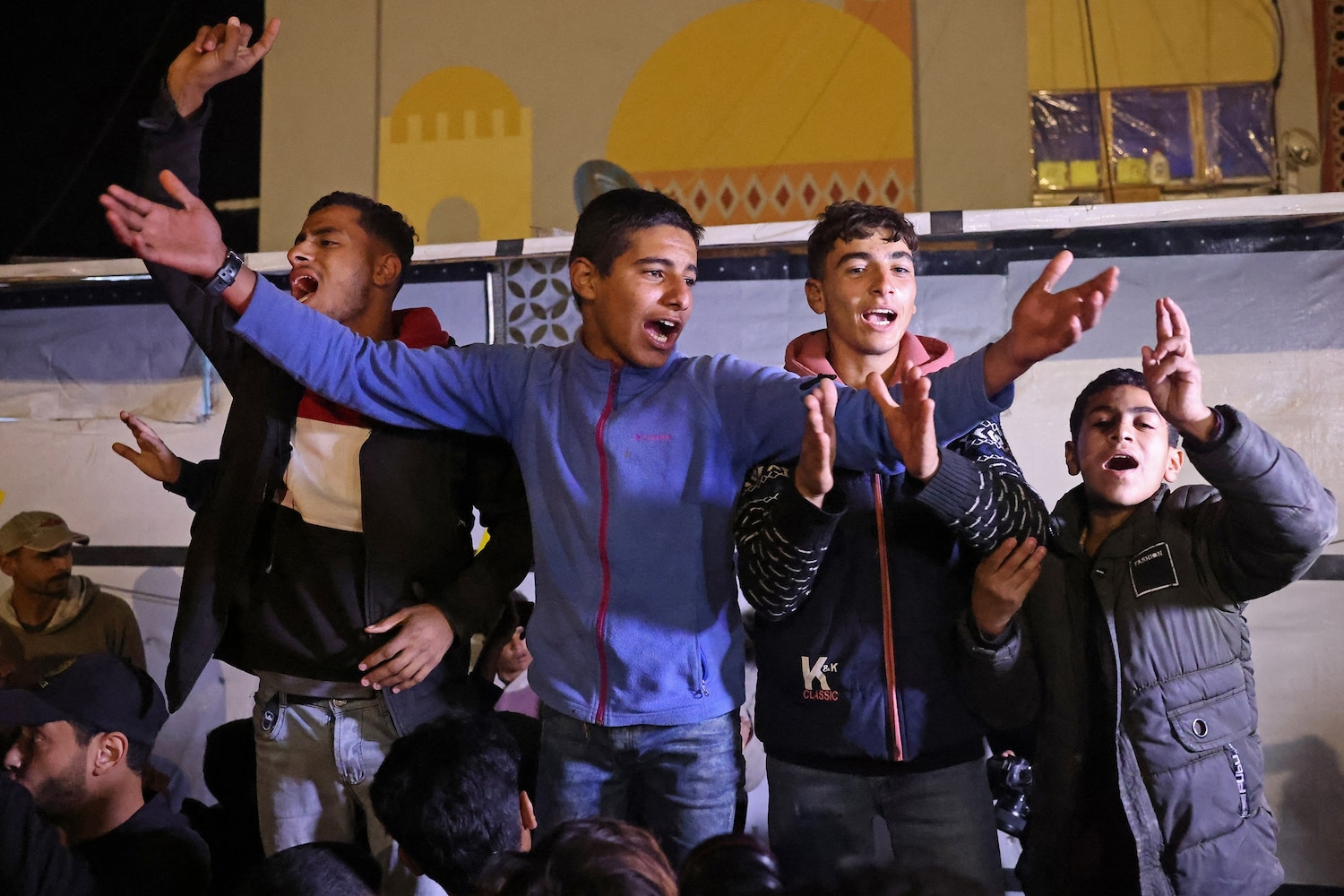
Bashar Taleb/AFP via Getty Images
Terms of the Deal: Who Was Freed, Who Was Exchanged
Under the agreement, Hamas released dozens of Israeli and foreign hostages in stages. In return, Israel agreed to free a number of Palestinian prisoners — many held in Israeli jails — though the identities and numbers remained contested in the hours following the swap.
Each vehicle that rolled off the exchange zone bore stories: a family member reunited, tears flowing, cautious embraces. The releases were staggered, mediated by third parties, and underscored by uncertainty — some hostages were released before the full ceasefire took hold; others followed later in the day.
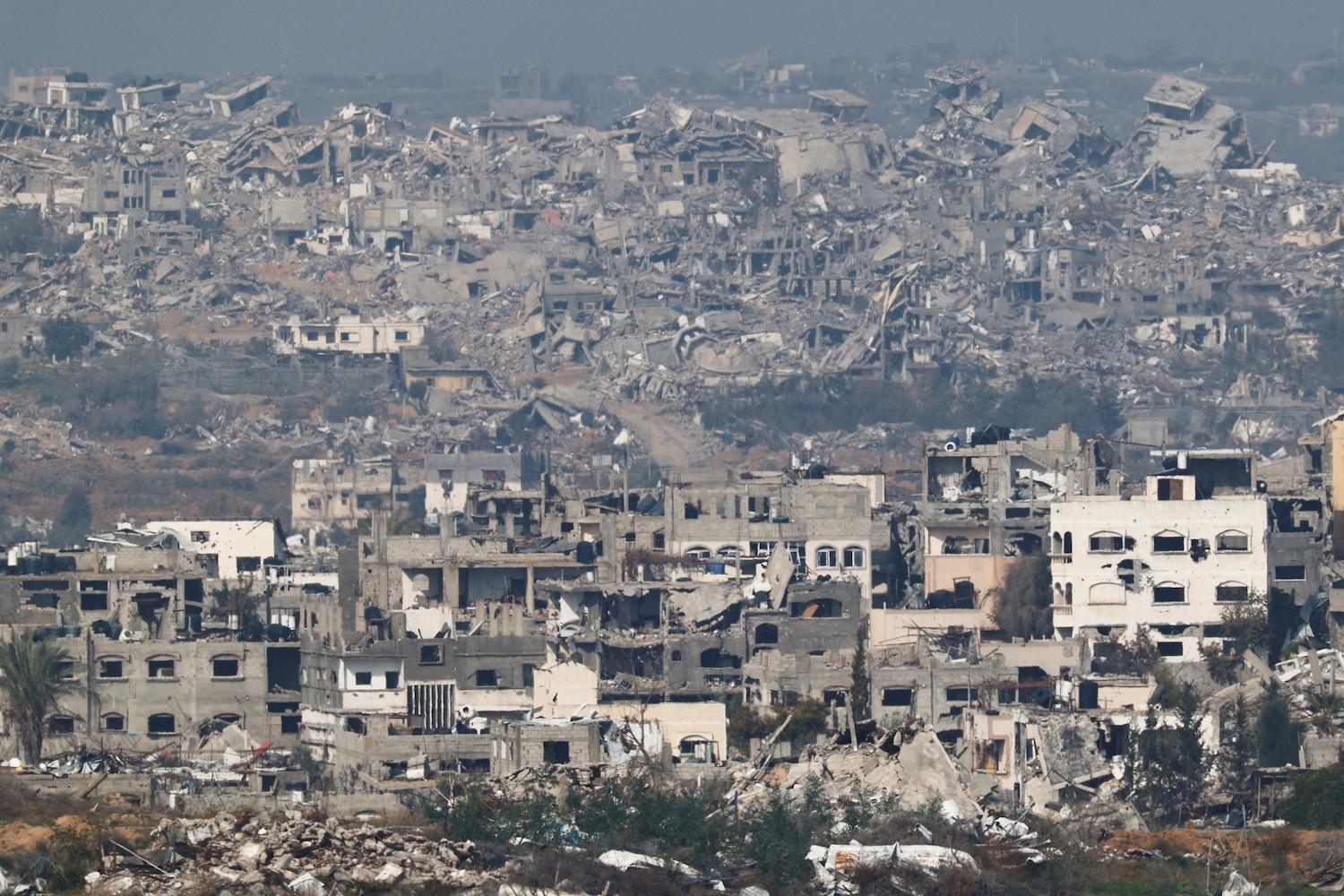
Amir Cohen/Reuters
Reactions from Israel, Hamas, and International Observers
Israeli officials hailed the exchange as a moral and strategic victory — proof that pressure and negotiation could yield results. For families of hostages long held in darkness, the moment was nothing short of redemption.
Meanwhile, Hamas framed the deal as vindication of resistance and negotiation. The movement expressed that the release reaffirmed its political legitimacy, even as critics warned that the exchange might fuel future hostage-taking dynamics.
International actors — the United States, Egypt, Qatar, and the United Nations — presented the deal as a fragile but crucial step. They praised the early humanitarian relief it offered but cautioned that a longer, sustainable ceasefire would demand deeper political solutions.
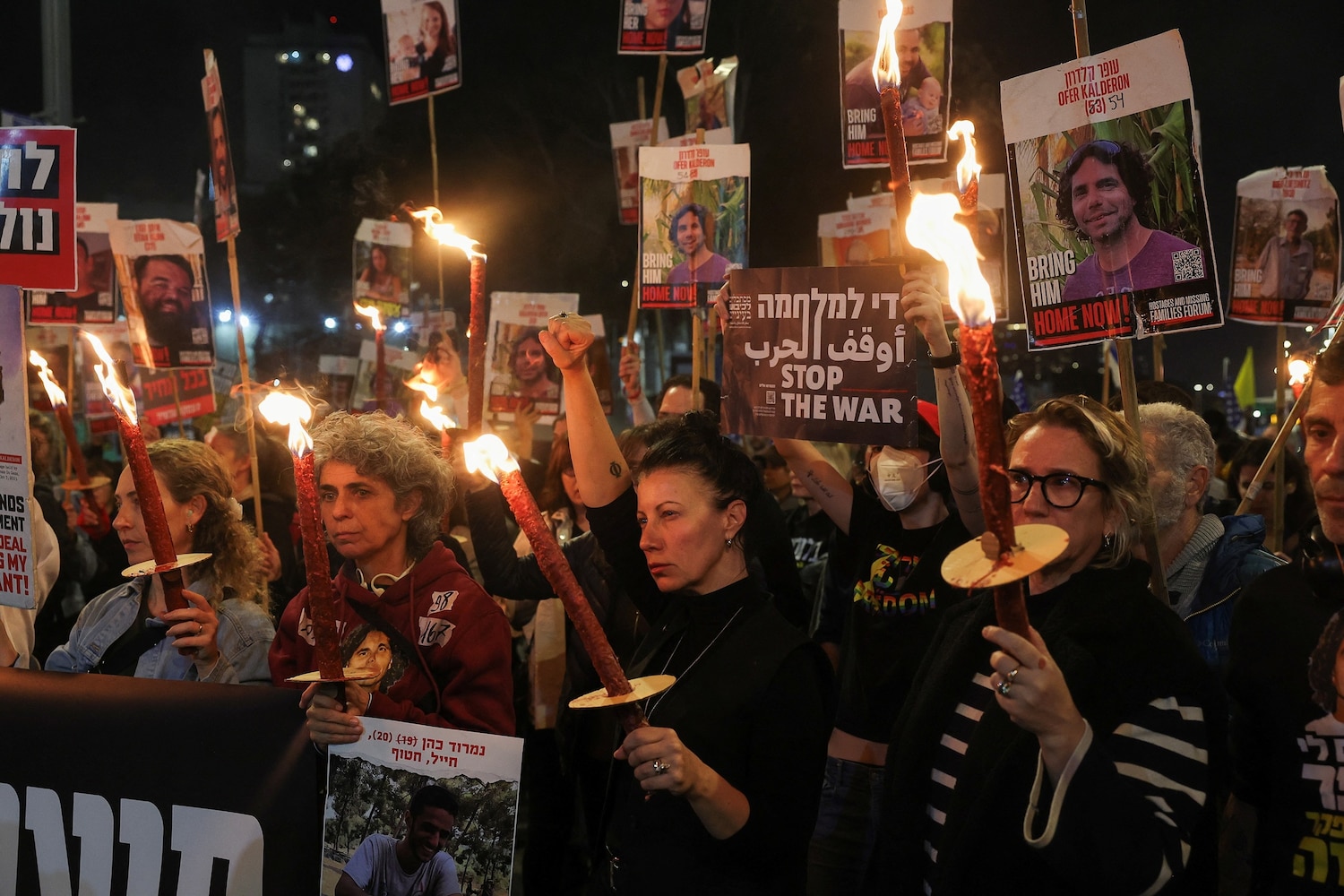
Ronen Zvulun/Reuters
Fragile Calm or False Dawn? What Comes Next
Observers on both sides warned that the ceasefire’s hold would be delicate. While exchanges of prisoners and hostages can open pathways to broader peace, they also carry the risk of breakdown if one party perceives violations or unmet terms.
In the hours after the swap, sporadic shelling and skirmishes still flickered along fringes of Gaza’s periphery. Some Palestinians expressed skepticism: after years of conflict, some wondered whether any truce could survive long.
Human Stories: Freed Hostages and Families Speak
A mother of a released hostage trembled through a press statement, voice cracked: “We thought we would never hold him again.” Across the line, freed Palestinian prisoners hugged relatives they feared lost — their children grown, their homes damaged, their lives transformed.
One Israeli hostage, blindfolded until the moment of release, described a tunnel of darkness and silence into which he had been cast — and now the brilliance of daylight as he stepped free. On the Palestinian side, those freed spoke of months in small cells, uncertainty, and prayers whispered in the dark.
Implications for Gaza and the Region
This exchange — both symbolic and practical — carries weight beyond its immediate participants. If the ceasefire expands, it may ease humanitarian suffering across Gaza, giving more relief convoys access, more reconstruction breathing room.
Politically, it may shift leverage: Hamas, Israel, and regional brokers will now test whether they can build upon this accord or whether old patterns of retaliation and breakdown claim center stage again.
For the international community, this moment demands sustained attention. For families, it demands patience. And for Gaza and Israel alike, it demands whether they can turn a prisoner swap into a starting point for real peace — or whether this fragile calm fades into the next round of hostility.