





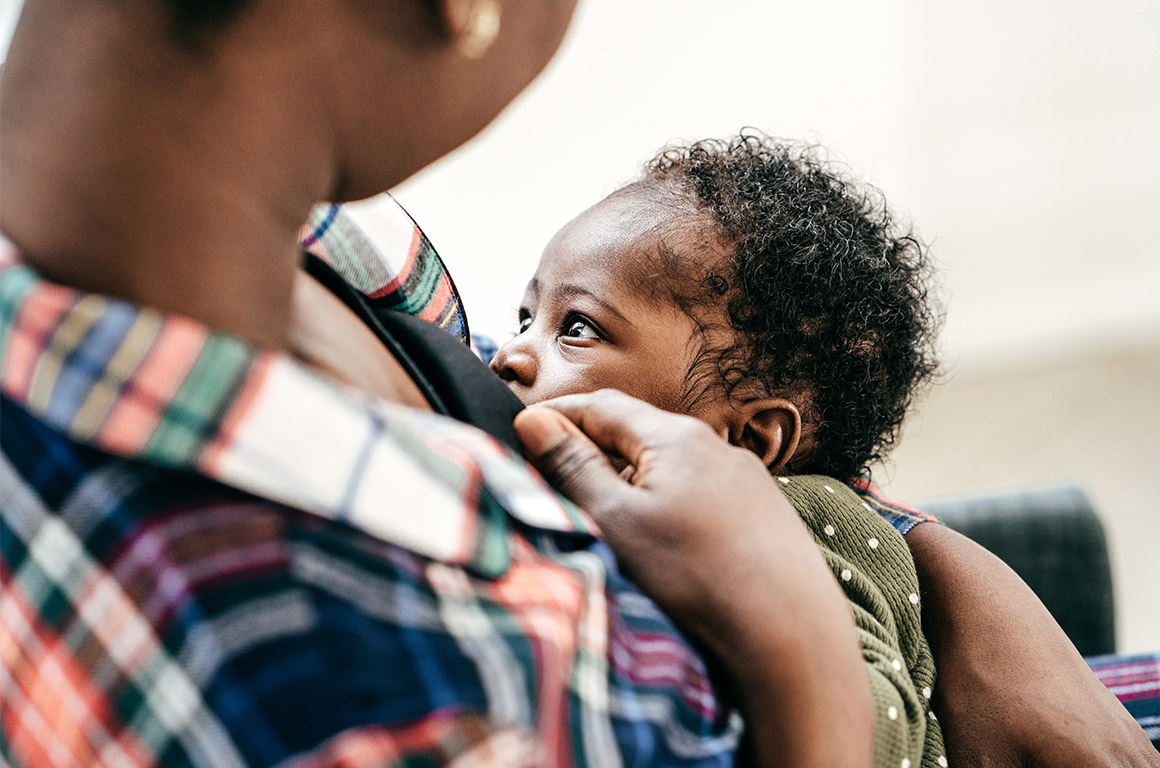
The New Findings Offer Another Reason to Support Breastfeeding Among Those Who Can and Choose to Do So
A new study published in Nature by researchers at the Peter MacCallum Cancer Centre in Melbourne has revealed that breastfeeding may help reduce the risk of developing breast cancer later in life. The findings shed light on how the immune system itself could be responsible for this protection.
“We found that women who have breastfed have more specialized immune cells, called CD8⁺ T cells, that ‘live’ in the breast tissue for decades after childbirth,” said lead oncologist Professor Sherene Loi in a press release. “These cells act like local guards, ready to attack abnormal cells that might turn into cancer.”
The team found that these T cells accumulate after a full cycle of pregnancy, breastfeeding, and breast recovery—creating long-term immune defenses that seem to specifically lower the risk of aggressive cancers such as triple-negative breast cancer.
The study analyzed more than 1,000 women diagnosed with triple-negative breast cancer and found that those who had breastfed not only experienced better outcomes but also showed higher levels of these protective immune cells.
Until now, scientists believed hormonal changes during pregnancy were the main factor behind reduced cancer risk. But the study suggests that immune system adaptation may play the leading role—a discovery that could eventually guide new preventive therapies.
While the science is promising, access and opportunity remain barriers. In the U.S., about 84% of new mothers start breastfeeding, but only 74% of Black mothers do, according to the CDC. By six months, that number drops to just 19% compared to 27% among white women.
Experts link this disparity to limited hospital lactation support, economic challenges, cultural stigmas, and a lack of paid maternity leave. Still, initiatives like Loyal Lactation, culturally competent hospital training, and expanded leave policies are improving outcomes for new mothers across the country.
The study underscores that supporting breastfeeding—through policy, education, and access—is not only about infant health, but also a long-term investment in women’s health and cancer prevention.