






Border Patrol’s Roadway Surveillance Flags Ordinary Trips As ‘Suspicious’ And Triggers Detentions
The U.S. Border Patrol has built a sweeping license plate surveillance network that tracks millions of drivers and flags “abnormal” travel patterns for detention, an AP investigation found. Originally created to target border-area smuggling, the predictive intelligence system now stretches deep into the interior, watching traffic between major cities like Houston, San Antonio, Chicago, Detroit and Los Angeles.
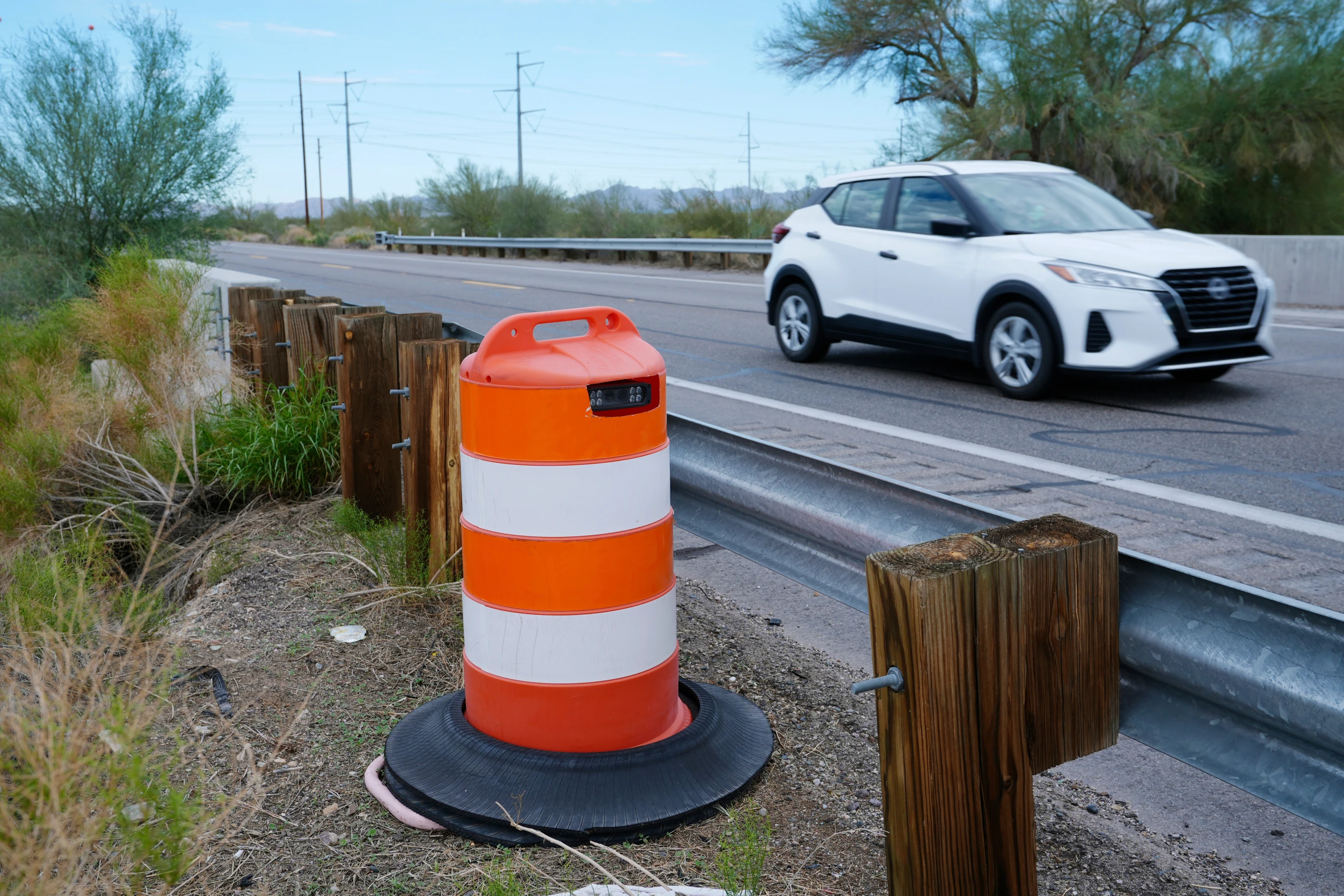
The program relies heavily on license plate readers planted along highways, backroads and even inside disguised traffic equipment. These cameras feed data into CBP’s Conveyance Monitoring and Predictive Recognition System, which builds “patterns of life” based on where drivers go, how often they approach border regions and how quickly they return home.
CBP claims the surveillance is used responsibly to “identify threats” and “disrupt criminal networks,” but the agency has repeatedly fought public records requests, concealed locations of its equipment and avoided documenting the program in legal filings.
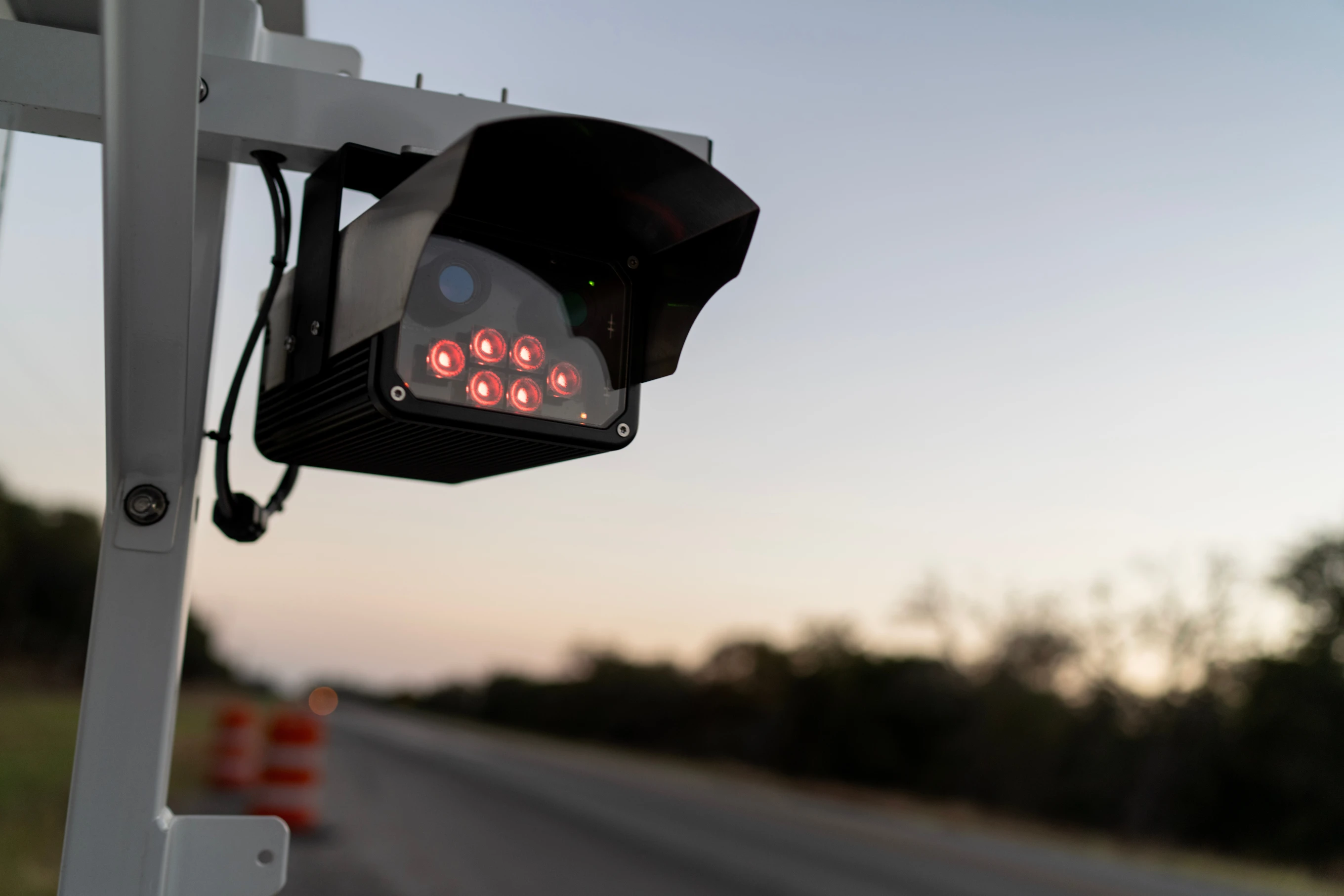
Once Border Patrol flags a vehicle as “suspicious,” agents quietly push tips to local police through group chats, texts or WhatsApp threads. Officers then pull drivers over for everyday traffic issues—speeding, turn signals, window tint, or a hanging air freshener. This method, called a “whisper stop,” hides the real reason for the encounter.
Police records show drivers are questioned aggressively about their routes, belongings and relationships. In many cases, officers search vehicles without finding drugs, weapons or anything linked to trafficking.
Legal scholars warn that mass, always-on surveillance aimed at ordinary drivers raises new constitutional concerns. “Large-scale surveillance technology that’s capturing everyone and everywhere at every time” may violate the Fourth Amendment, said George Washington University law professor Andrew Ferguson.
In February, truck driver Lorenzo Gutierrez Lugo was heading from South Carolina to Brownsville with packages and customer payments when Kingsville police—acting on a Border Patrol request—pulled him over. Officers interrogated him using data from plate readers and searched his truck with Border Patrol agents. They found no contraband.
Still, Gutierrez Lugo was arrested on suspicion of money laundering because he was carrying cash, a normal part of his job. No charges were filed, and prosecutors later dropped their attempt to seize his truck, trailer and the money. His employer spent about $20,000 clearing his name.
Houston-area driver Alek Schott was pulled over outside San Antonio after Border Patrol flagged his overnight work trip to Carrizo Springs. Deputies held him on the roadside for more than an hour and searched his car. Nothing was found.
Court records show the deputies who stopped him were part of a group chat with federal agents trading detailed information on drivers, including social media profiles, addresses and rental car status. Some messages were set to auto-delete.
Schott is now suing, saying he was targeted for nothing more than traveling for his job. “I didn’t know it was illegal to drive in Texas,” he said.
Border Patrol’s reach has grown through partnerships with local police and federal grants. Operation Stonegarden, a DHS program, has supplied hundreds of millions of dollars’ worth of plate readers, drones and overtime pay to local sheriffs, effectively deputizing them for federal immigration enforcement.
Documents show that many local plate readers—purchased with Stonegarden funding—feed directly into Border Patrol’s intelligence systems, expanding federal surveillance far beyond the border.
CBP has also gained access to plate data from private vendors like Rekor, Vigilant Solutions and Flock Safety, at times giving the agency visibility into thousands of cameras across more than 20 states.
Former officials disagree about the system’s usefulness; some say it helps catch contraband, others say they’ve never seen it yield results on its own. What’s consistent is the broad impact: innocent drivers questioned, detained and searched based solely on algorithmic suspicion.
Civil liberties attorneys warn this is the early stage of a national dragnet.
“They are collecting mass amounts of information about who people are, where they go, and what they do,” said Nicole Ozer of UC Law San Francisco. “These surveillance systems do not make communities safer.”
For drivers like Schott, the concern is simple: how many more people are being stopped, searched or shaken down without ever knowing why?
“There’s thousands of people getting treated this way,” Schott said. “They just don’t have the means to fight back.”