





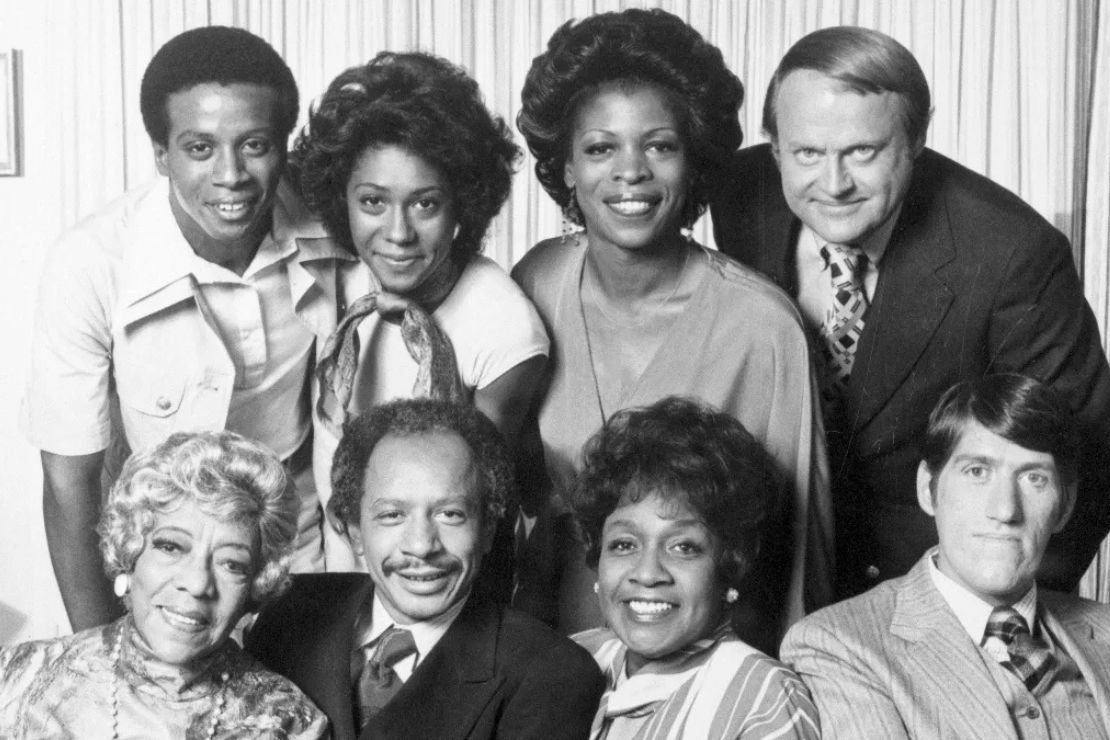
A Critique of How Media Softened Black Identity to Comfort White Audiences
Langston Hughes once wrote a poem titled, “Epitaph.” In this poem he speaks to Uncle Tom’s service to whites in the way Harriet Beecher Stowe made Uncle Tom in her anti-slavery book. The book was not just about anti-slavery, but it was also about pushing anti-Blackness. Hughes’ poem ends with a prayer that says, “Now, thank God, Uncle Tom is dead.” We are still praying. The desire to get rid of traitors has always been a hope to achieve in a world without the “immortal Uncle Tom.”
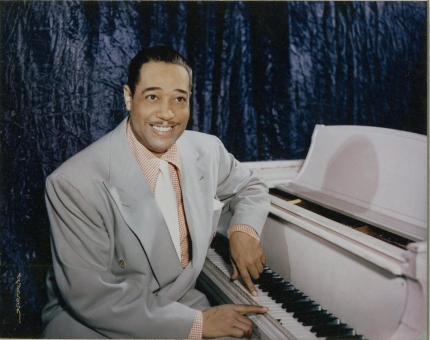
Duke Ellington, the great jazz musician, reimagined the death of Uncle Tom in a musical revue titled, “Jump for Joy” which celebrated the end of Uncle Tomism. A White writer, Brion Gysin, published a literary piece which said, ‘It will be a great day when we can shout together, “Uncle Tom is dead.”’ Later, another poet, Harmony Holiday, wrote in a “Jazz Funeral for Uncle Tom,” in stirring words, “He is a wish that burns eternal. He is a songbook purged through rehearsal, one who must be practiced to be destroyed, loved into uselessness, and then at lost, gone.”
Various forms of Uncle Tom have played out in newspapers, commercial adds, television shows, and has even taken the form of the Black man as a “Black Buddy,” willing to make whites feel secure by refusing to complain about white supremacy and to display this silence with loyalty. Professor Cheryl Thompson, in her well-research book, Uncle: Race, Nostalgia, and the Politics of Loyalty, explained that there were “Smokescreen Toms” that appeared on television shows like The Cosby Show, Good Times, the Jeffersons, and others. These shows attempted to convince Whites that Blacks were passive with a “non-threating Black identity.” The show attempted to make the public believe that racism had disappeared and that Cliff Huxtable, Cosby’s stage name, was an indication that Blacks could make it America if they would just keep their mouths shut about the racism that really existed in the community.
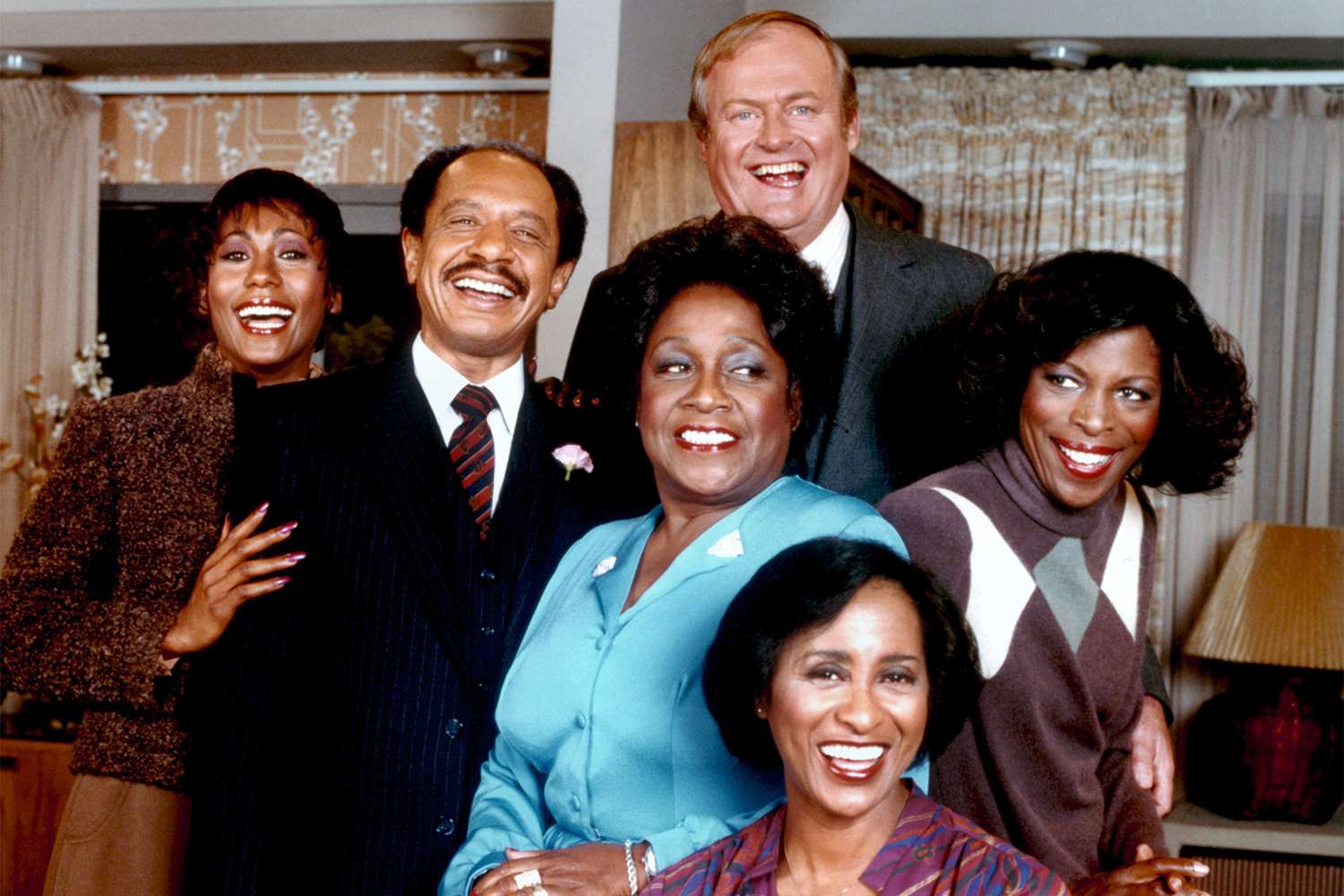
The Jeffersons, made the “story of moving on up to a deluxe apartment in the sky” a smokescreen world. Dr. Henry Louis Gates hit the nail on the head when he said, “Blacks are doing much better on TV than they are in real life.” These shows gave the impression that all one had to do to escape racism was to lift yourself up, and ignore the institutional racism that constricts opportunities freely given to Whites. All the time the Cosby show was going on, the show never reflected what was going on in the outside prisons of America—the ghettoes. The imaginary “Huxtables,” a name that stinks in why it was invented, never talked about the racism of the “Central Park Five” who were falsely accused of raping a White woman, while Donald Trump displayed his racism way back in 1989. Trump had demanded their execution. Phylicia Rashad, portrayed as Claire Huxtable, a lawyer, never said a word about this injustice—the Black loyalty syndrome.
While America was trying to pretend that it was color blind, the new Uncle Tom became the “Black Buddy.” The Black middle class was used as a propaganda ploy in the Fresh Prince, with Will” the slugger” Smith, which displayed him and the cast as “cool,” but people that could be loyal to Whites as long as they ignored what was really going on in a racist world. It was always about “safe images” that would not offend Whites and even now we have “Blacks for Trump” and the Tom foolery of Senator Tim Scott.