





AT A GLANCE
- U.S. shoppers spent a record $11.8 billion online on Black Friday, per Adobe Analytics.
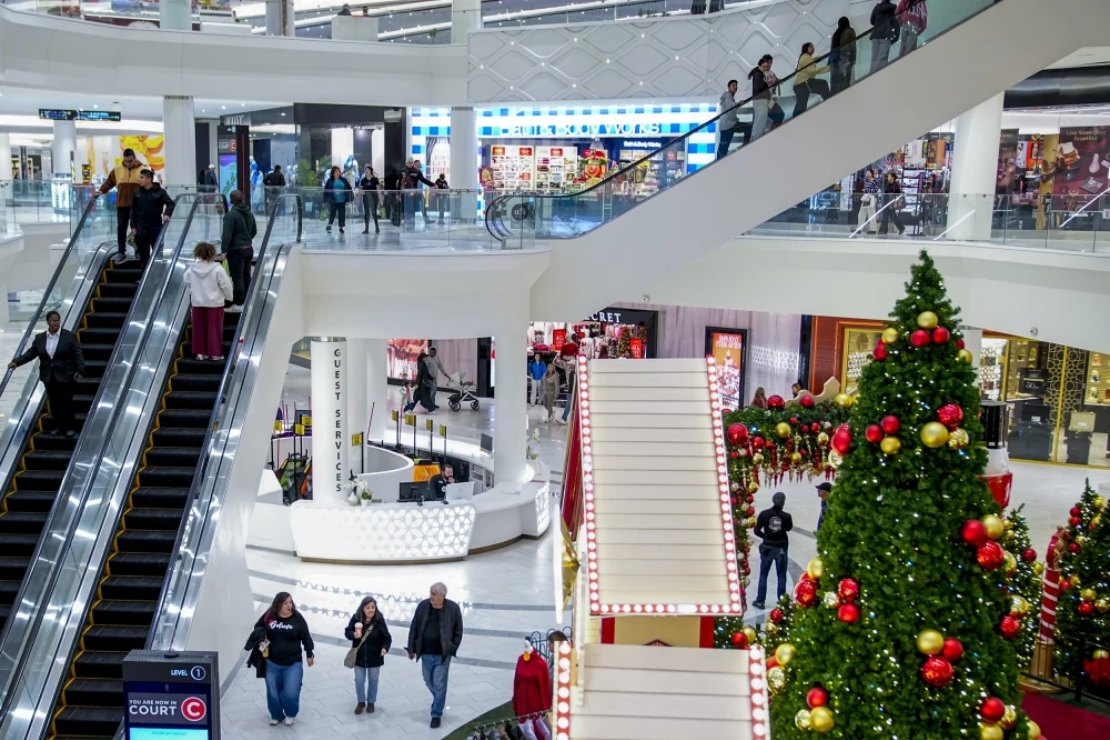
- In-store traffic continued to shrink, falling between 2% and 3.6% compared to last year.
- Tariffs and higher prices pushed shoppers to buy fewer items at higher costs.
- Holiday uncertainty persists as households juggle rising debt, layoffs, and a 43-day government shutdown aftershock.
Black Friday Spending Surges to Record Highs Despite Inflation and Tariffs
Holiday shoppers showed up in force this year, shrugging off widespread anxiety about prices, tariffs and job stability. Adobe Analytics reported that U.S. consumers spent a record $11.8 billion online on Black Friday, a 9.1% jump from 2024. Between 10 a.m. and 2 p.m. local time, spending hit a staggering $12.5 million every minute, underscoring the continued shift from malls to mobile carts.
Thanksgiving Day spending hit another record at $6.4 billion, with shoppers stocking up on game consoles, electronics and kitchen appliances. Adobe noted that AI-powered shopping tools and social media-driven advertising helped push buyers toward specific deals.
Other trackers recorded similar surges. Salesforce estimated $18 billion in U.S. Black Friday online sales and $79 billion globally. Shopify’s merchants took in $6.2 billion worldwide, peaking at $5.1 million per minute, fueled mainly by cosmetics and clothing purchases.
Mastercard SpendingPulse found that overall Black Friday retail sales rose 4.1%, excluding auto purchases. Online sales jumped 10.4% year over year, while in-store sales posted only a modest 1.7% increase.
“Consumers are navigating an uncertain environment by shopping early, leveraging promotions and investing in wish-list items,” said Michelle Meyer, chief economist at the Mastercard Economics Institute.
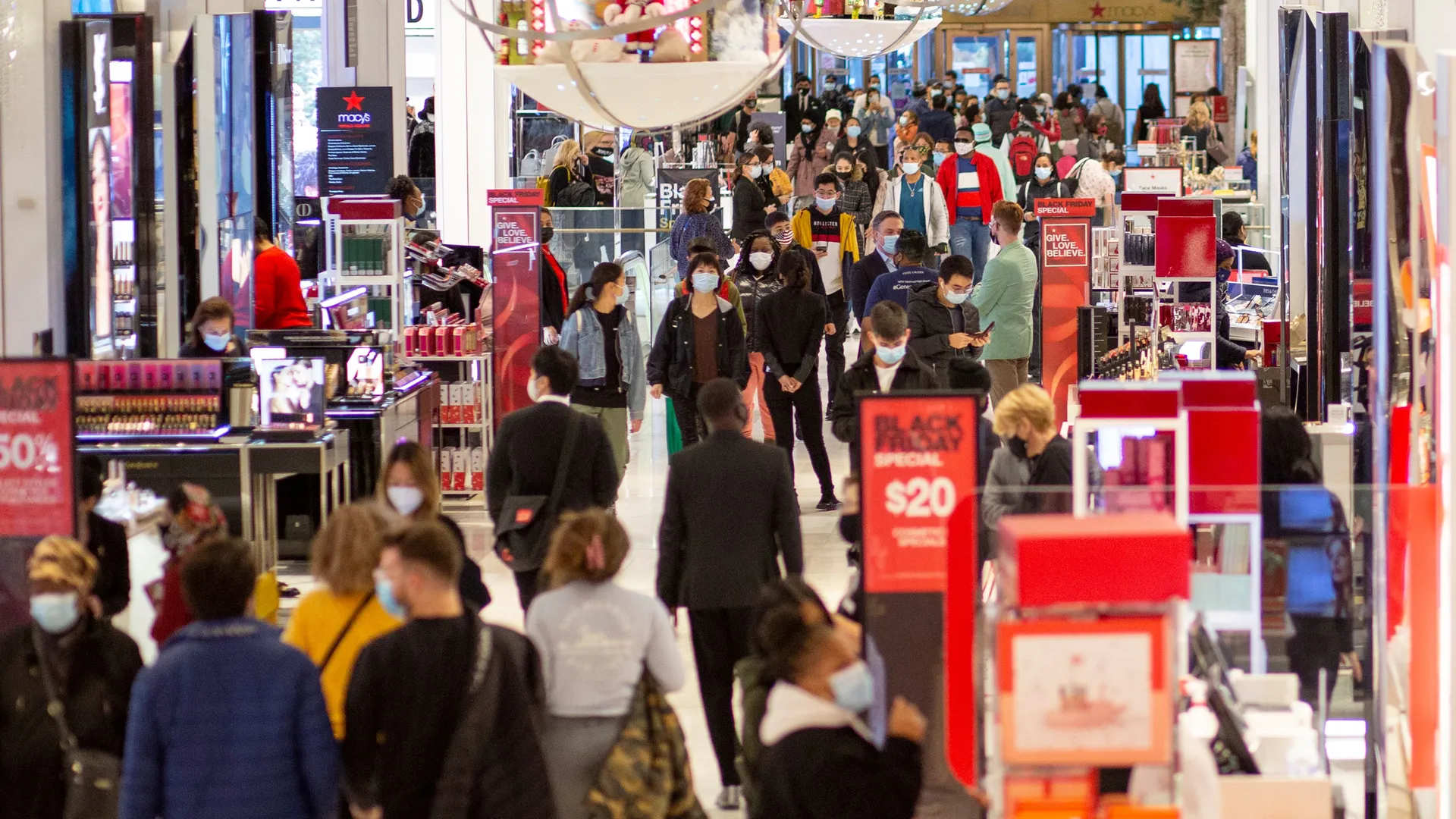
The era of midnight lines and doorbusters continues to fade. Instead, extended promotions and aggressive online discounts have reshaped the post-Thanksgiving rush. Data from RetailNext showed in-store foot traffic down 3.6% compared to 2024, though the decline was less steep than earlier in the week. Sensormatic Solutions found a 2.1% dip in store visits, noting that overall traffic for the week was still up nearly 57% from the previous week.
Grant Gustafson, head of retail consulting and analytics at Sensormatic Solutions, said Black Friday has become “a full week event” and the opening chapter of a crucial stretch for retailers as Christmas approaches.
Adobe anticipates U.S. shoppers will spend $5.5 billion on Saturday, $5.9 billion on Sunday, and then peak on Cyber Monday with an estimated $14.2 billion, which would set another record.
But the big numbers don’t tell the whole story. Rising prices, driven in part by President Donald Trump’s sweeping import tariffs, mean shoppers are paying more for fewer items. Salesforce found that shoppers purchased 2% fewer items, and order volumes slipped 1%, even as average selling prices climbed 7%.
This year’s holiday rush lands amid a wave of unease for consumers. Tariffs have strained both businesses and household budgets, layoffs have rippled through multiple industries, and many families are still recovering from the 43-day government shutdown.
Higher prices and tightened budgets are visible in foot-traffic data. “We track consumer footsteps,” Gustafson said, adding that shoppers appear to be “thinking harder about their purchases to make sure they’re getting their very best deals.”
The National Retail Federation projects U.S. holiday spending will cross $1 trillion for the first time, though growth is slowing. This year’s expected increase of 3.7% to 4.2% trails last year’s 4.3% growth.
At the same time, credit card debt and loan delinquencies continue to rise, with more shoppers turning to buy now, pay later plans to afford gifts, decorations and household items.