





From WWII to the National Park Service, Soskin Spent Decades Making Sure Black Stories Were Never Left Out of America’s Memory
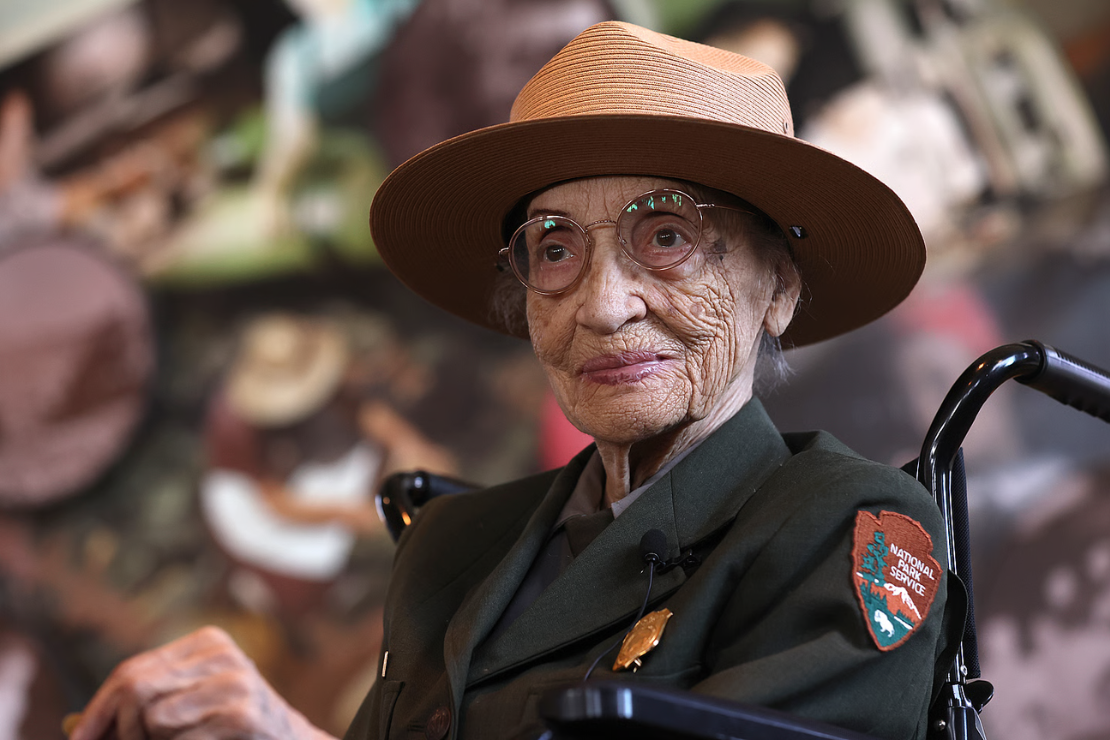
Betty Reid Soskin, a trailblazer who spent more than a century challenging who gets remembered in American history, has died at 104. Soskin, who began her National Park Service career at age 85, became the oldest active park ranger in the country and one of its most influential voices. Her death was announced by her family, who said she passed peacefully at her home in Richmond, California, on Dec. 21, surrounded by loved ones.
“She led a fully packed life and was ready to leave,” the family said in a statement shared on Facebook. While acknowledging the public nature of her life, they asked for privacy and said a public memorial would be announced at a later date.
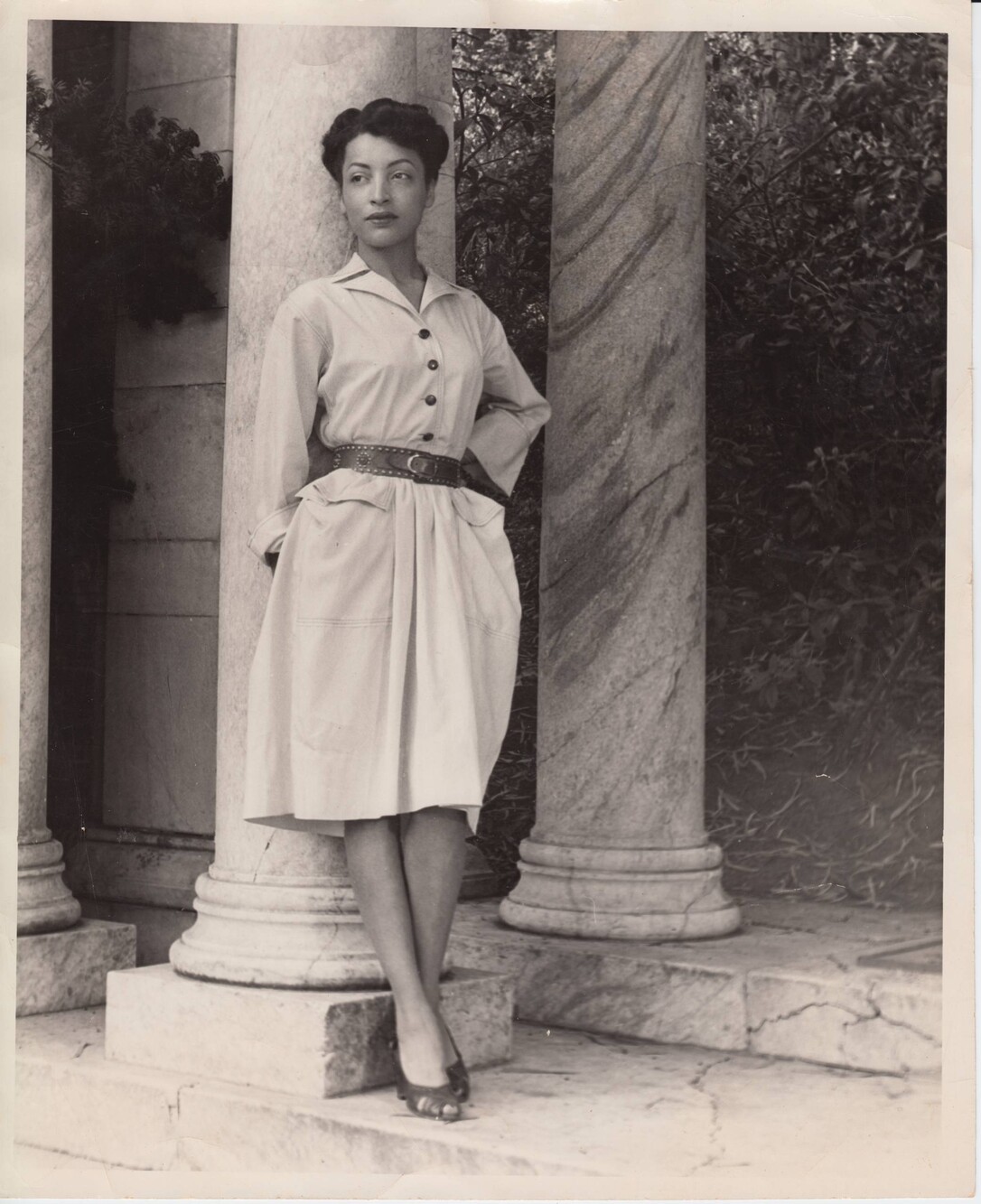
Soskin’s life traced the fault lines of American history. During World War II, she joined millions of women who entered the workforce to support the war effort. As a Black woman, however, her experience was shaped by segregation and discrimination. She worked as a file clerk for the U.S. Air Force after being hired under the mistaken assumption that she was white, and later worked in a segregated unit of the boilermakers’ union tied to Richmond’s massive shipbuilding industry. Sorting index cards in the union hall exposed her to the bureaucratic ways entire communities could be erased from the historical record.
“I was the only person of color in the room,” Soskin told Newsweek in 2020. “And as I began to introduce my part of the work, it was very clear that many of the stories of Richmond during the war were not being told.”
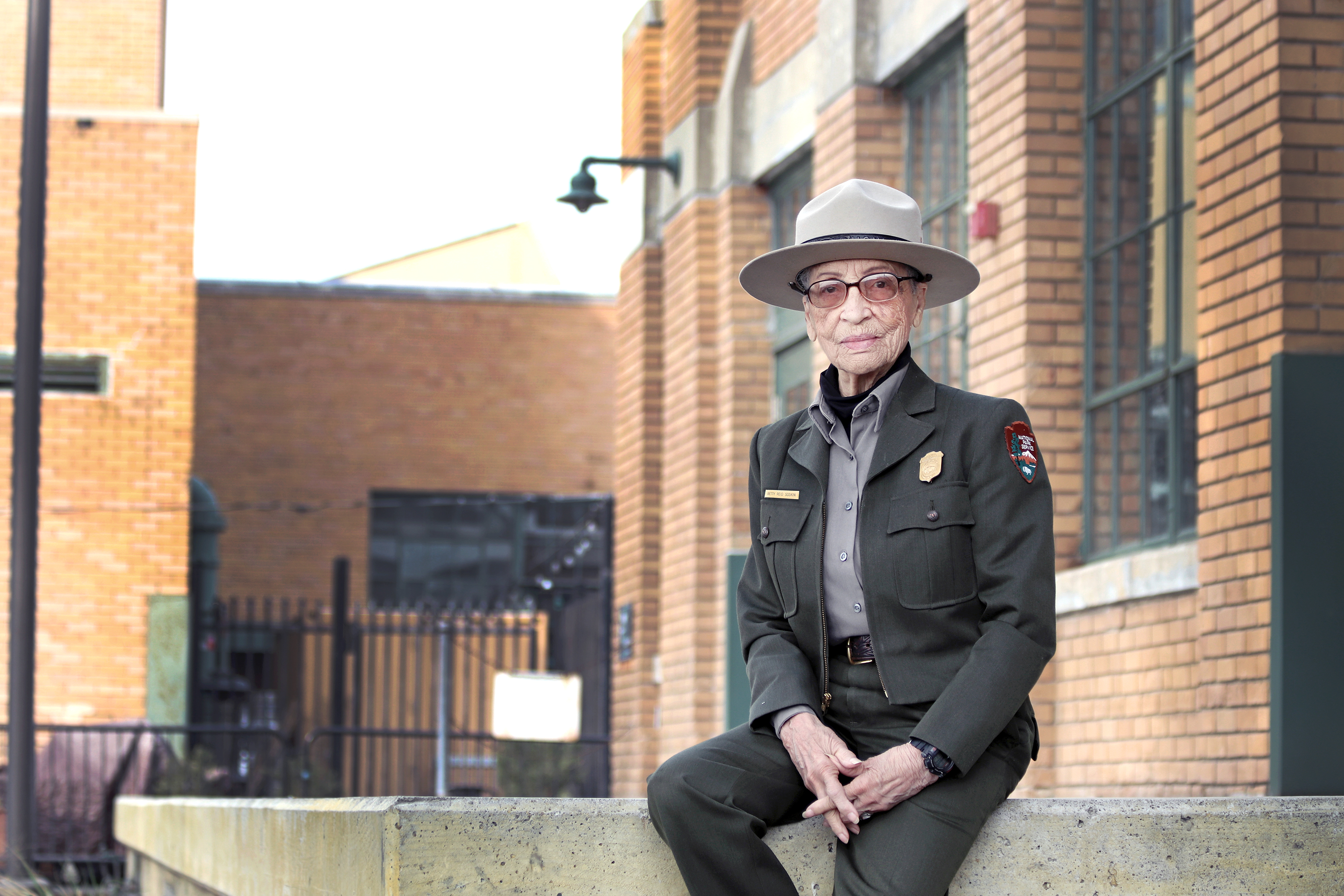
That realization would shape the rest of her life. Decades later, in 2000, Soskin helped California Assemblywoman Dion Aroner plan the launch of the Rosie the Riveter/WWII Home Front National Historical Park, a site dedicated to the overlooked workers who powered the wartime economy. She became a consultant to the park in 2003, and in 2007, at age 85, officially joined the National Park Service as a ranger.
Through narrated bus tours, Soskin blended national history with lived experience, speaking candidly about what it meant to be a Black woman worker during World War II. Visitors were drawn not just to her record-setting age, but to her insistence on truth. “What gets remembered is a function of who’s in the room doing the remembering,” she often said, according to KQED.
Her influence reached well beyond Richmond. In 2009, Soskin received a congressional invitation to the inauguration of Barack Obama, who later presented her with a presidential coin during a White House Christmas tree lighting ceremony in 2015. She also understood the quiet power of representation. “When I’m on the streets or on an escalator or elevator, I am making every little girl of color aware of a career choice she may not have known she had,” she said in a 2015 interview with the Department of the Interior. “The pride is evident in their eyes.”
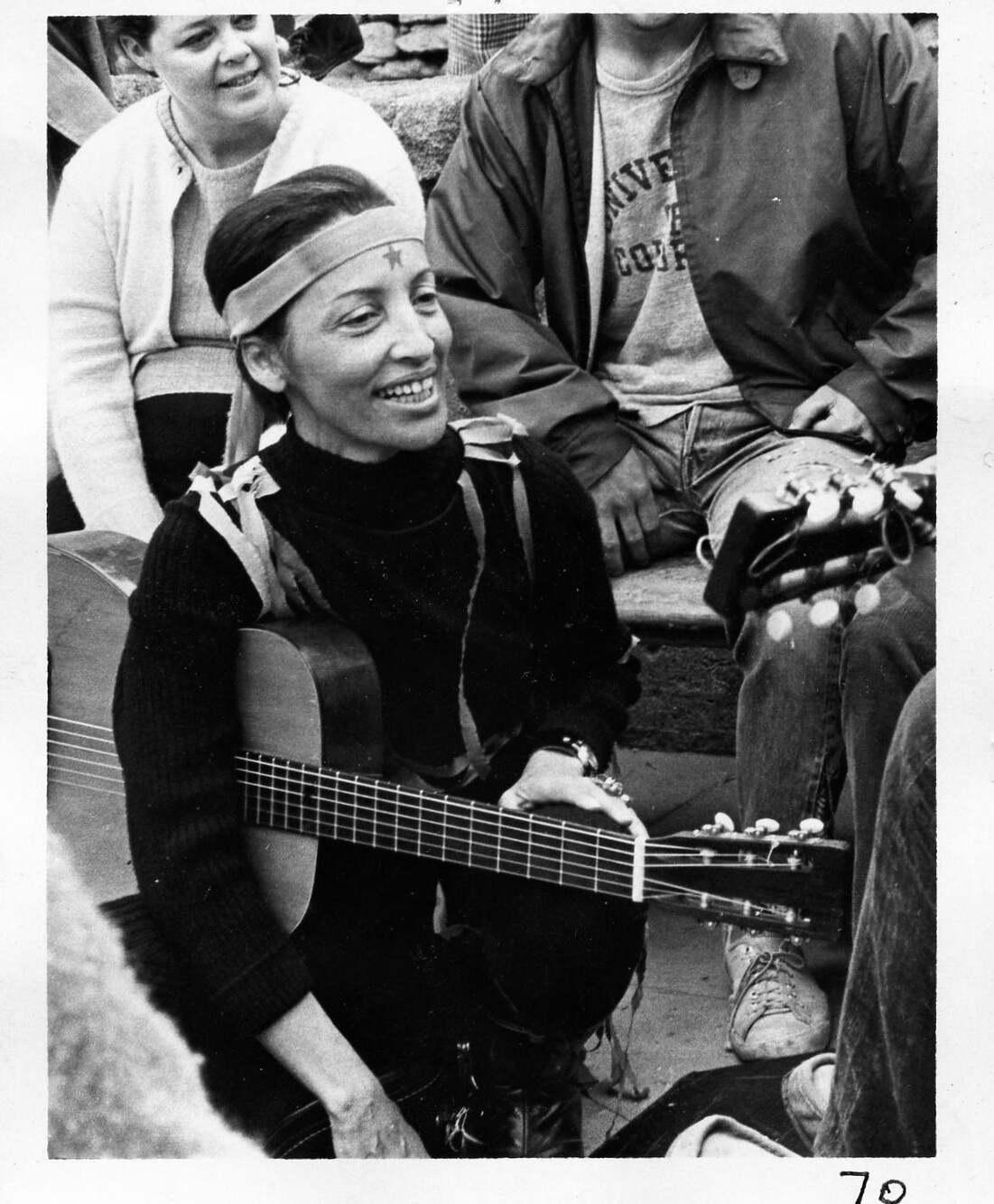
Outside the parks, Soskin was equally influential. In 1945, she and her first husband, Mel Reid, founded Reid’s Records, one of the Bay Area’s first Black-owned record stores. The shop became a cultural hub and safe space for the Black community, operating for nearly 75 years. She was named California Woman of the Year in 1995, and a middle school in the West Contra Costa Unified School District now bears her name. Reflecting on her life during the school’s renaming ceremony, Soskin said, “I don’t know what one might do to justify a long life. I think that you have pretty much got it made.”
Her story was documented in her memoir, Sign My Name to Freedom, which later inspired a stage play and a documentary. You might send donations to Betty Reid Soskin Middle School and to support the finishing of her film, “Sign My Name To Freedom” at https://signmynametofreedom.allyrafundraising.com