





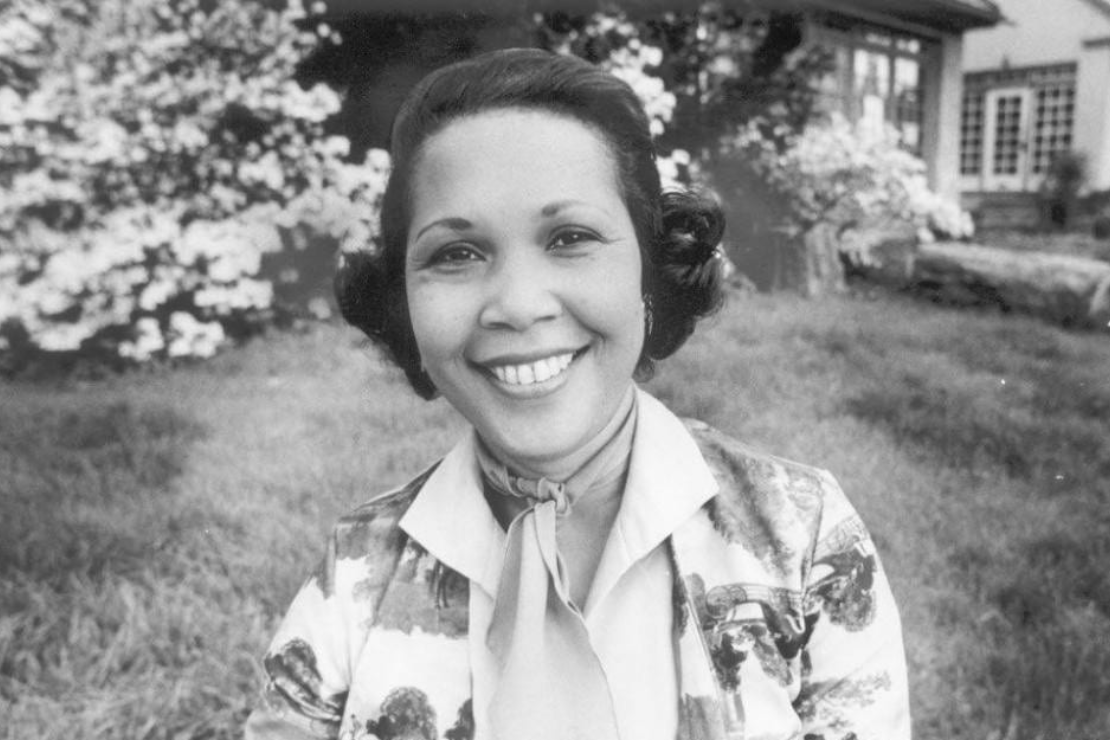
The U.S. Capitol Unveils Statue of Civil Rights Pioneer Barbara Rose Johns, Who Protested Her Virginia High School’s Poor Conditions in 1951
While the Supreme Court’s 1954 decision in Brown v. Board of Education is often framed as a singular legal triumph, the truth is far messier and far more human. That ruling was built on the bravery of young people who refused to accept injustice as normal. One of them was Barbara Rose Johns, a 16-year-old student whose quiet defiance helped crack the foundation of school segregation.
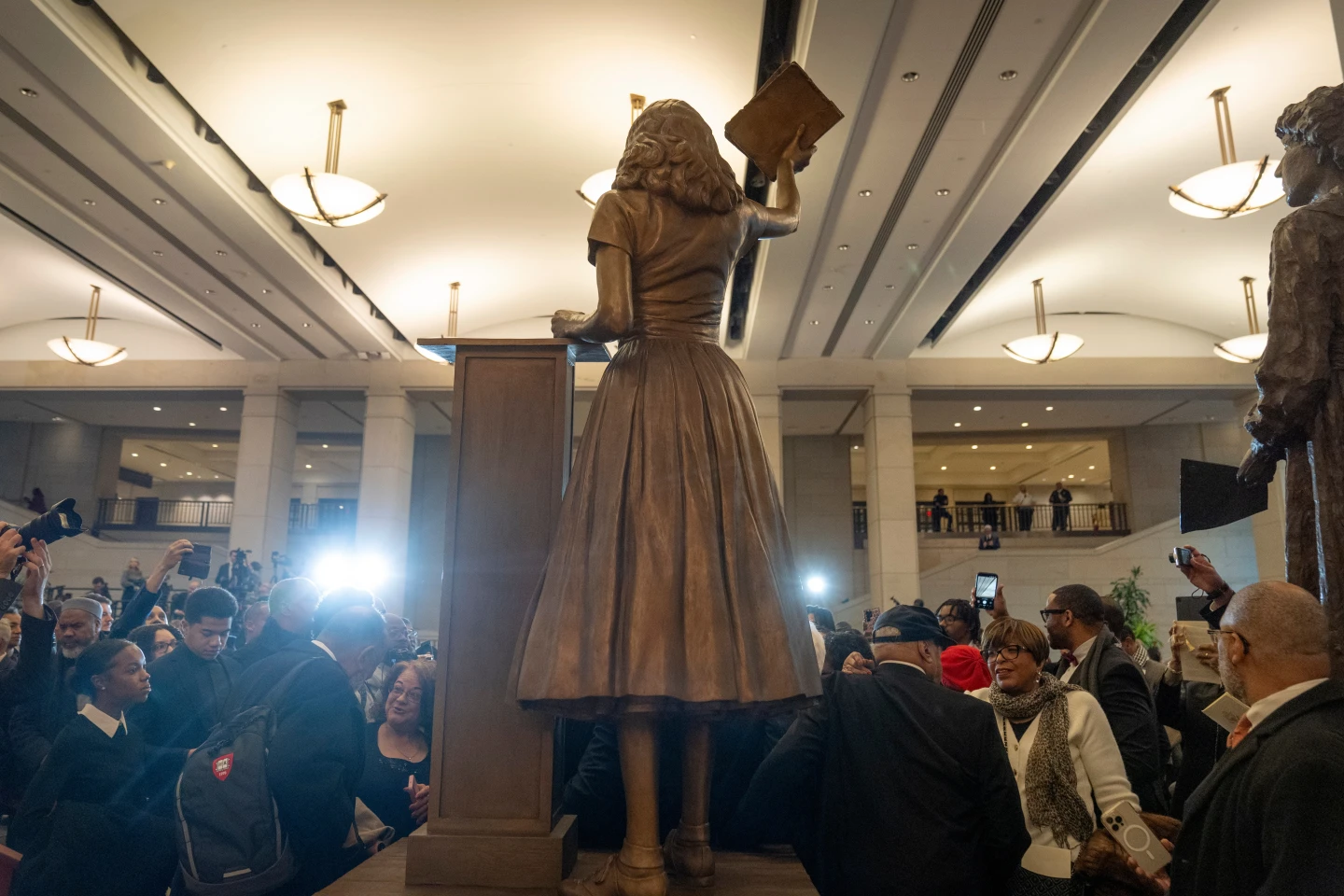
On Tuesday, the U.S. Capitol will unveiled a statue of Johns in Emancipation Hall, officially replacing the statue of Confederate Gen. Robert E. Lee that once represented Virginia.
A Student Walkout That Helped Change America
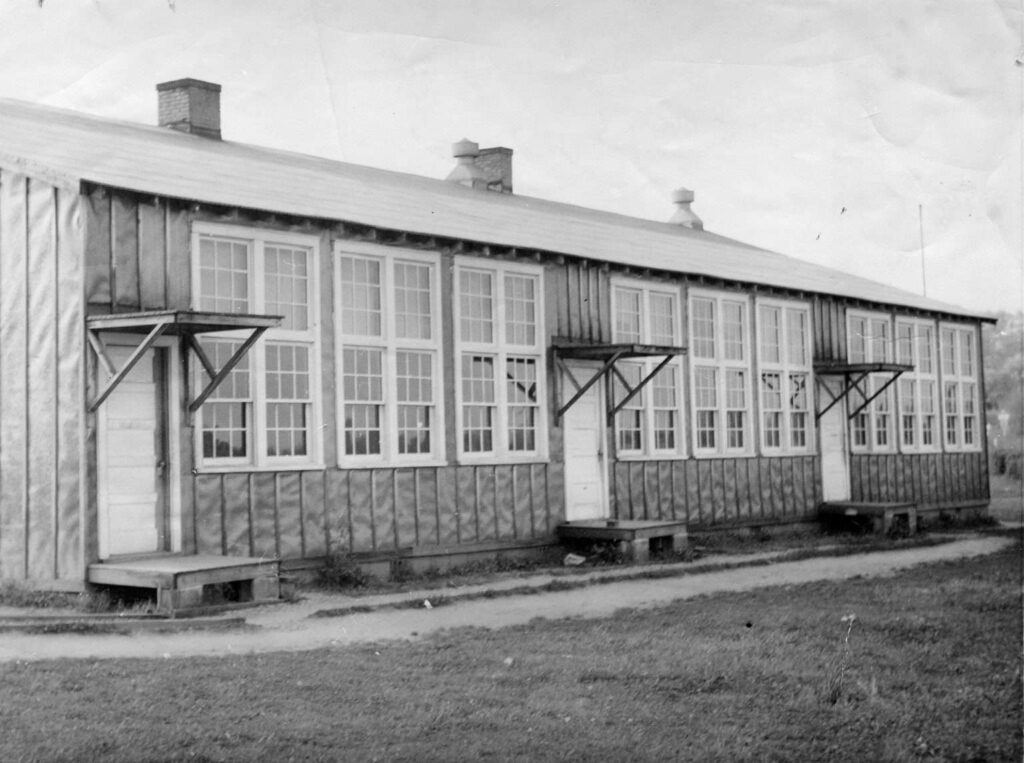
In 1951, Johns was a student at the all-Black Robert Russa Moton High School in Farmville, Virginia. The school was overcrowded, underfunded, and literally falling apart. Meanwhile, nearby white schools had proper buildings, resources, and space.
At an age when most teenagers are worried about homework and social drama, Johns organized a walkout of more than 400 students to protest the conditions. The action caught the attention of the Virginia NAACP, which took up the case. That lawsuit became one of five consolidated cases that ultimately formed Brown v. Board of Education, the landmark decision declaring racial segregation in public schools unconstitutional.
The halls where that case was argued are now the same halls where her statue will stand. History enjoys symmetry.
The setting is deliberate: Emancipation Hall honors the enslaved laborers who helped build the Capitol, placing Johns’ legacy squarely within the broader arc of American freedom struggles.
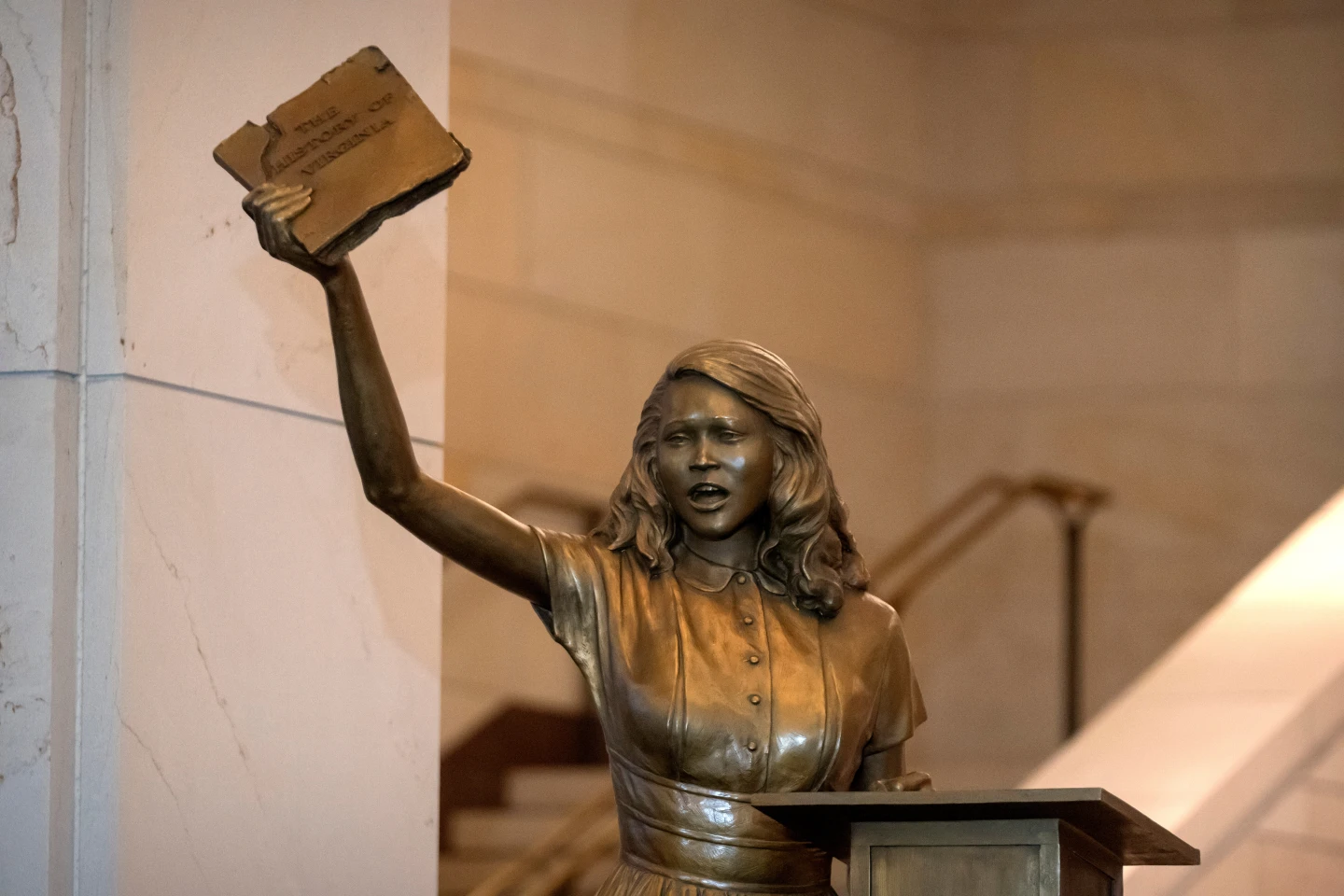
A model of the statue reveals Johns depicted as a teenager standing beside a lectern, holding a tattered book above her head. The pedestal is engraved with the words she posed to her fellow students during the 1951 protest: “Are we going to just accept these conditions, or are we going to do something about it?” The sculpture also includes a biblical reference from Isaiah, “And a little child shall lead them,” a line Sen. Tim Kaine said captures both her courage and moral clarity at such a young age.
The statue formally replaces the figure of Confederate Gen. Robert E. Lee, which stood in the Capitol for 111 years before being removed in December 2020 amid renewed national scrutiny of Confederate symbols following the murder of George Floyd.
Lee’s statue was later relocated to the Virginia Museum of History & Culture. Former Democratic Gov. Ralph Northam had requested its removal, and a state commission subsequently recommended that Johns be honored in its place.
Johns’ statue joins the National Statuary Hall Collection, where each state is permitted two representatives. Virginia’s other statue remains George Washington. While Statuary Hall itself displays 35 statues, others are spread throughout the Capitol, including the Crypt, the Hall of Columns, and the Capitol Visitor Center.
The Johns sculpture, created by Maryland artist Steven Weitzman, received final approval from the Architect of the Capitol and the Joint Committee on the Library in July. Beyond Washington, her legacy is already physically memorialized in Virginia. She is featured in the Virginia Civil Rights Memorial outside the state Capitol in Richmond, reinforcing her role as a central figure in the state’s civil rights history, not a footnote.
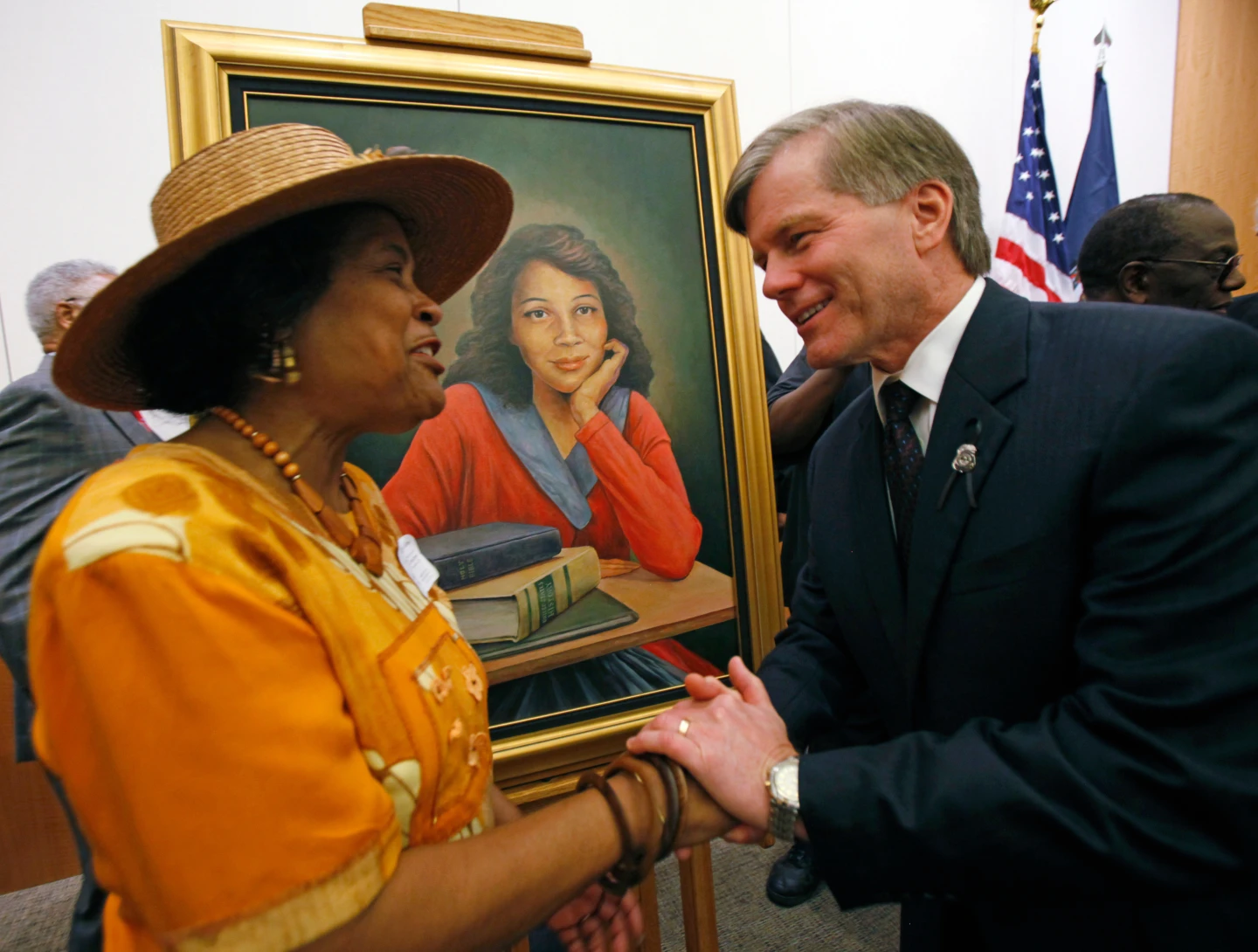
Taken together, the replacement is more than symbolic housekeeping. A Confederate general who fought to preserve slavery has been swapped for a teenage girl who challenged segregation with nothing but resolve and a question that still lands uncomfortably today. History did not change its mind overnight, but it eventually corrected the record.