




AT A GLANCE
- PEN America tracked more than 6,800 book bans across 23 states in the 2024–25 school year.
- Florida, Texas, and Tennessee accounted for over 80% of all bans.
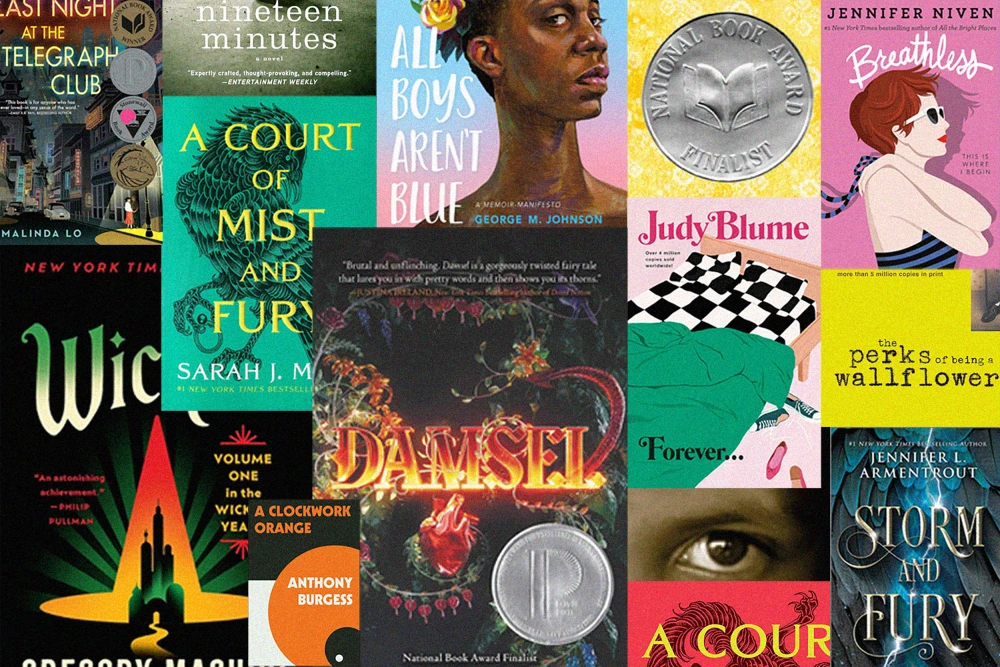
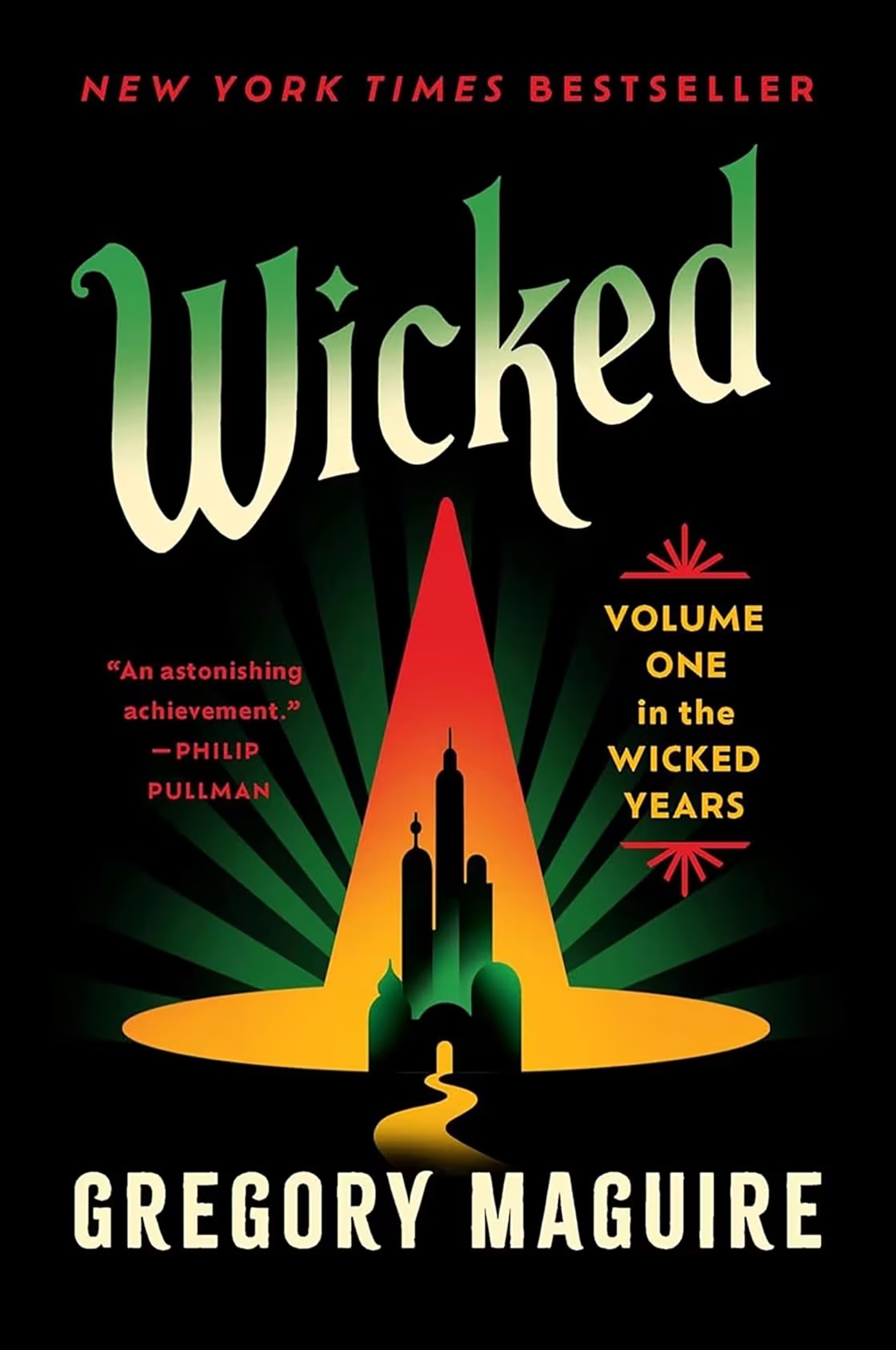
- The most banned books include “A Clockwork Orange,” “Wicked,” and “Last Night at the Telegraph Club.”
- PEN America compared current censorship efforts to Cold War-era McCarthyism.
In The 2024-25 School Year, Book Bans Affected More Than 3,700 Unique Titles In 87 School Districts Across 23 States, According To PEN America
A new report from PEN America paints a chilling picture of modern-day censorship in schools, likening the surge in book bans to the Red Scare of the 1950s. The organization recorded more than 6,800 book bans during the 2024–25 school year, impacting 3,752 unique titles across 87 public school districts in 23 states.
“Censorship pressures have expanded and escalated,” said Kasey Meehan, director of PEN America’s Freedom to Read program. “A disturbing ‘everyday banning’ and normalization of censorship has worsened and spread over the last four years.”
PEN America’s “Banned in the USA” report defines a school book ban as any official action that results in a book being removed or restricted due to its content, whether from parental complaints, administrative decisions, or political pressure.
The 15 Most Banned Books of the 2024–25 School Year
According to PEN America, these titles were banned in the most public school districts nationwide:
- “A Clockwork Orange” by Anthony Burgess — banned in 23 districts.
- “Breathless” by Jennifer Niven — banned in 20 districts.
- “Sold” by Patricia McCormick — banned in 20 districts.
- “Last Night at the Telegraph Club” by Malinda Lo — banned in 19 districts.
- “A Court of Mist and Fury” by Sarah J. Maas — banned in 18 districts.
- “Crank” by Ellen Hopkins — banned in 17 districts.
- “Forever…” by Judy Blume — banned in 17 districts.
- “The Perks of Being a Wallflower” by Stephen Chbosky — banned in 17 districts.
- “Wicked” by Gregory Maguire — banned in 17 districts.
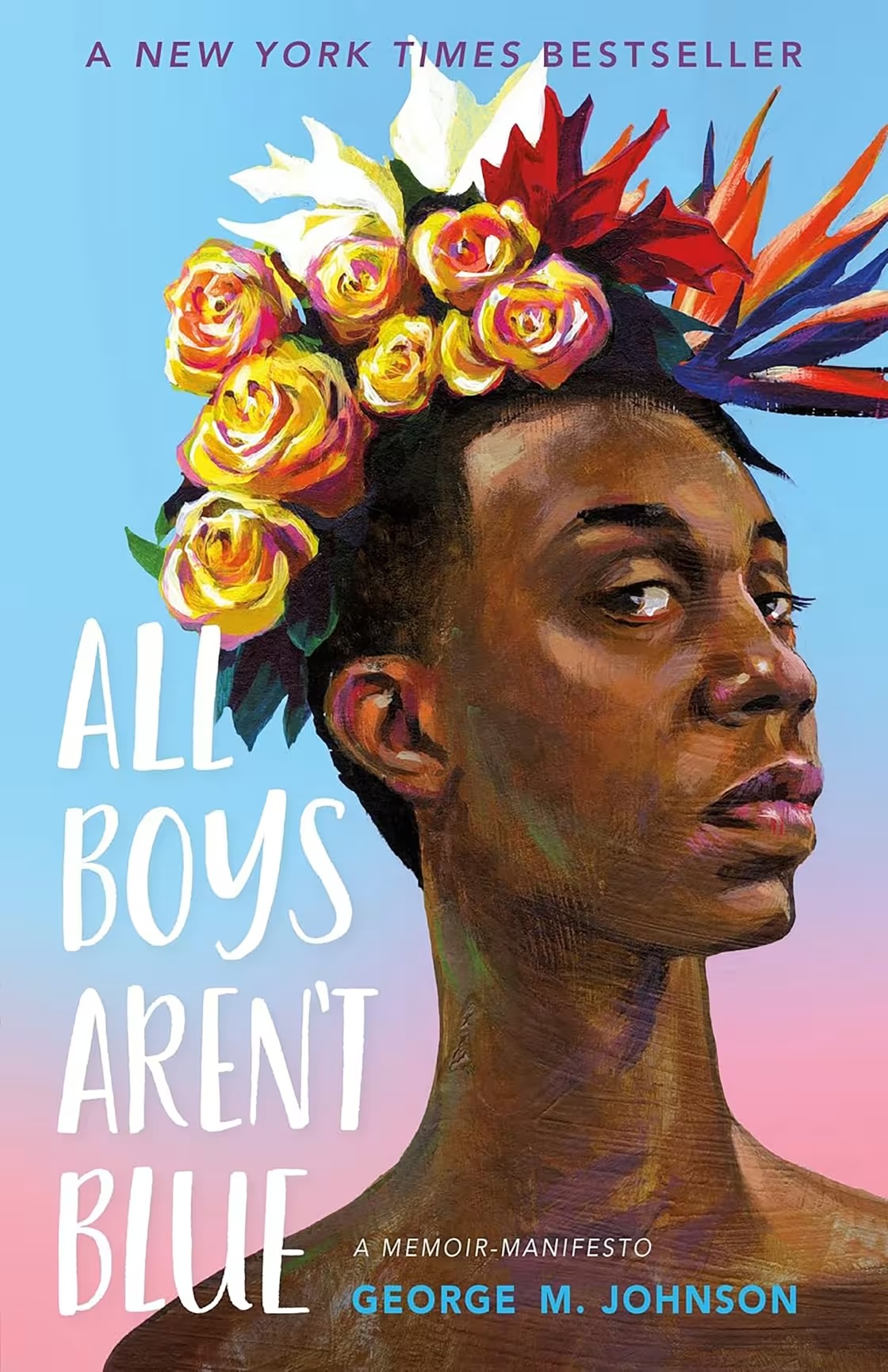
- “All Boys Aren’t Blue” by George M. Johnson — banned in 16 districts.
- “A Court of Thorns and Roses” by Sarah J. Maas — banned in 16 districts.
- “Damsel” by Elana K. Arnold — banned in 16 districts.
- “The DUFF” by Kody Keplinger — banned in 16 districts.
- “Nineteen Minutes” by Jodi Picoult — banned in 16 districts.
- “Storm and Fury” by Jennifer L. Armentrout — banned in 16 districts.
Book Banning Mirrors McCarthy-Era Censorship
The report draws parallels between today’s wave of bans and Cold War-era suppression of ideas. It found that Florida, Texas, and Tennessee accounted for more than 80% of all bans this year.
The total number of bans decreased from over 10,000 in 2023–24, but remains far higher than the 2,500 recorded in 2021–22, when PEN America began annual tracking. Since July 2021, the group has identified 22,810 book bans across 45 states.
Some bans, the report notes, are now preemptive removals—books quietly disappearing from library shelves before complaints even surface. “This functions as a form of ‘obeying in advance,’” the report states, rooted in fear of controversy or political backlash.
Authors Speak Out Against Erasure
Author Malinda Lo, whose “Last Night at the Telegraph Club” ranked No. 4 on this year’s list, called the persistence of book bans “an attack on First Amendment rights.”
“Once a book is banned, it’s gone,” Lo said on Instagram. “This is why we have to keep fighting these attacks.”
Her novel, which centers on queer love in 1950s San Francisco, remains one of many LGBTQ-themed books targeted in schools. Titles like “Gender Queer,” “All Boys Aren’t Blue,” and “A Court of Thorns and Roses” continue to dominate PEN America’s list of most banned books.
Modern-Day McCarthyism in Schools
PEN America’s report warns that this “unfettered book banning” reflects a broader movement to police ideas and identities in public education. As Meehan put it, the normalization of censorship is no longer a fringe phenomenon—it’s embedded in school policy.
Banned Books Week, which begins Sunday, aims to spotlight these ongoing restrictions and encourage Americans to defend free expression.