





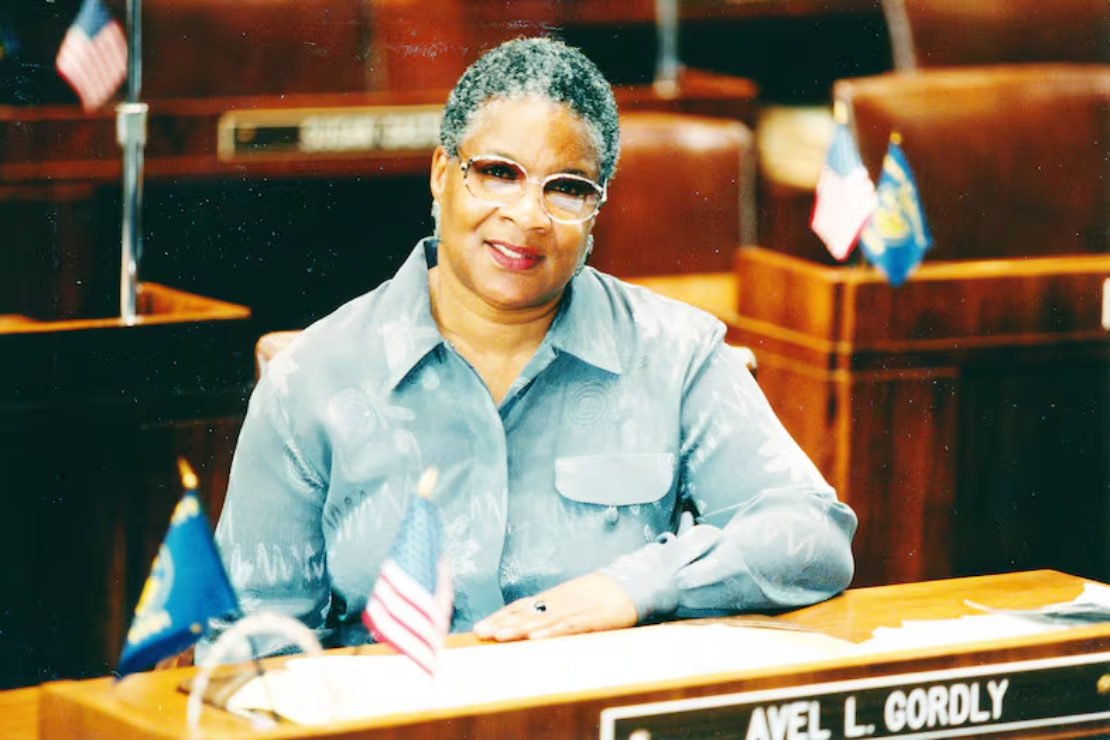
On Feb. 16, Avel Gordly, Who Made History as the First Black Woman Elected to Oregon’s State Senate, Died of Natural Causes at 79
Communities across Oregon are mourning the loss of Avel Gordly, the first Black woman elected to the state senate, who died peacefully of natural causes at her Portland home on February 16. She was 79.
Widely regarded as a trailblazer and champion for justice, Gordly leaves behind a legacy rooted in civil rights, education, and community advocacy.
A History Maker in Oregon Politics
Born and raised in Portland, Gordly became a fixture in Oregon public life. In 1991, she was elected to the Oregon House of Representatives, serving three terms before making history in 1996 as the first Black woman elected to the Oregon State Senate. She would hold her seat for 13 years.
During her tenure, Gordly pushed for civil rights protections, mental health reform, and environmental advocacy. She was instrumental in efforts to remove Oregon’s Black exclusion laws from the state constitution—laws that once barred Black people from settling in the territory. She also championed the recognition of Juneteenth as a state holiday and supported the creation of Harriet Tubman Middle School in Portland.
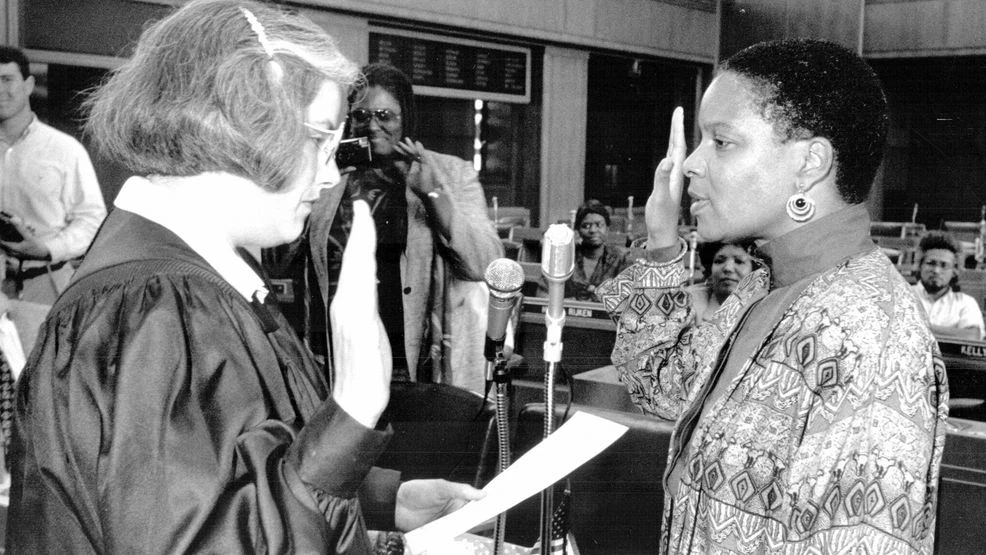
“She was a good friend, an Oregon treasure, and a history maker,” said Kerry Tymchuk, executive director of the Oregon Historical Society, recalling a recent visit in which Gordly shared her pride in the institution’s work.
U.S. Rep. Janelle Bynum described Gordly as a mentor and friend. “Her presence was regal and distinctive,” Bynum wrote on Instagram. “I knew I was standing on the shoulders of a giant.”
Margaret Carter, the first Black woman elected to Oregon’s Legislature, reflected on Gordly’s love for her community, calling her deeply devoted to the people she served.
Lakeitha Elliott, a community member who attended Harriet Tubman Middle School, credited Gordly’s advocacy for shaping opportunities for future generations. “Ms. Avel was a mother, a mentor to me,” Elliott said. “She modeled what it was like to be from this neighborhood and to have an impact.”
Gordly’s activism extended well beyond legislative chambers. She served as director of the American Friends Service Committee, traveled internationally as part of the Free South Africa Movement, and was active in Portland’s Black United Front during the 1970s and 1980s.
After retiring from public office in 2009, Gordly returned to academia, serving as an associate professor in the Black Studies Department at her alma mater, Portland State University. In 2017, the university awarded her an honorary doctorate of letters.
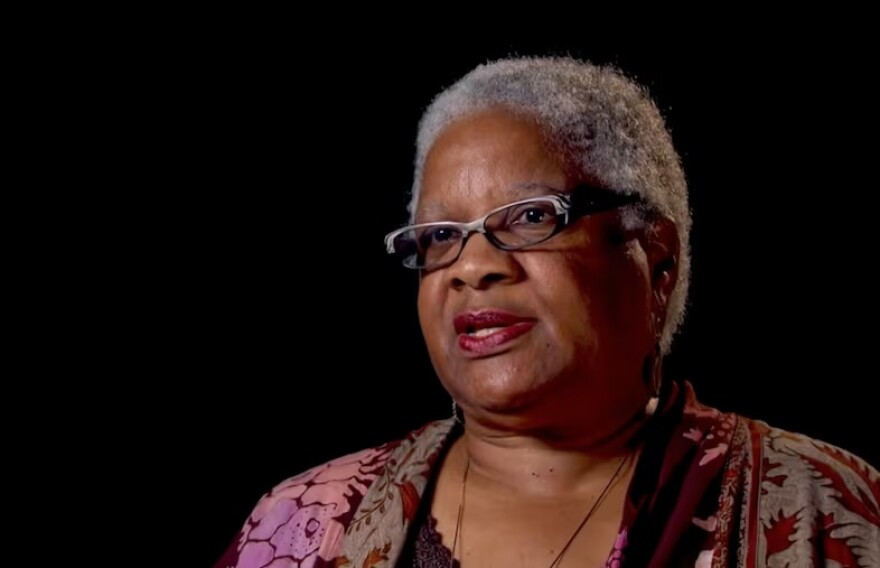
“I believe that education is the way forward,” Gordly said in a 2025 interview. “Right now the world is in need of more women leaders and women who focus on bringing forward peace and what Dr. King described as the beloved community.”
Darrell Millner, a professor in Black Studies at PSU, described her as “a lighthouse for everyone else to observe and follow.”
A Legacy That Lives On
Gordly’s name continues to shape Oregon institutions, including the OHSU Avel Gordly Center for Healing and the Albina Early Head Start – Avel Gordly Center.
“She is an inspiration to the next generation of social justice warriors,” her niece, Michelle Burch, said.
With her passing, Oregon loses not only a history maker but a steady voice for justice, education, and community empowerment.