





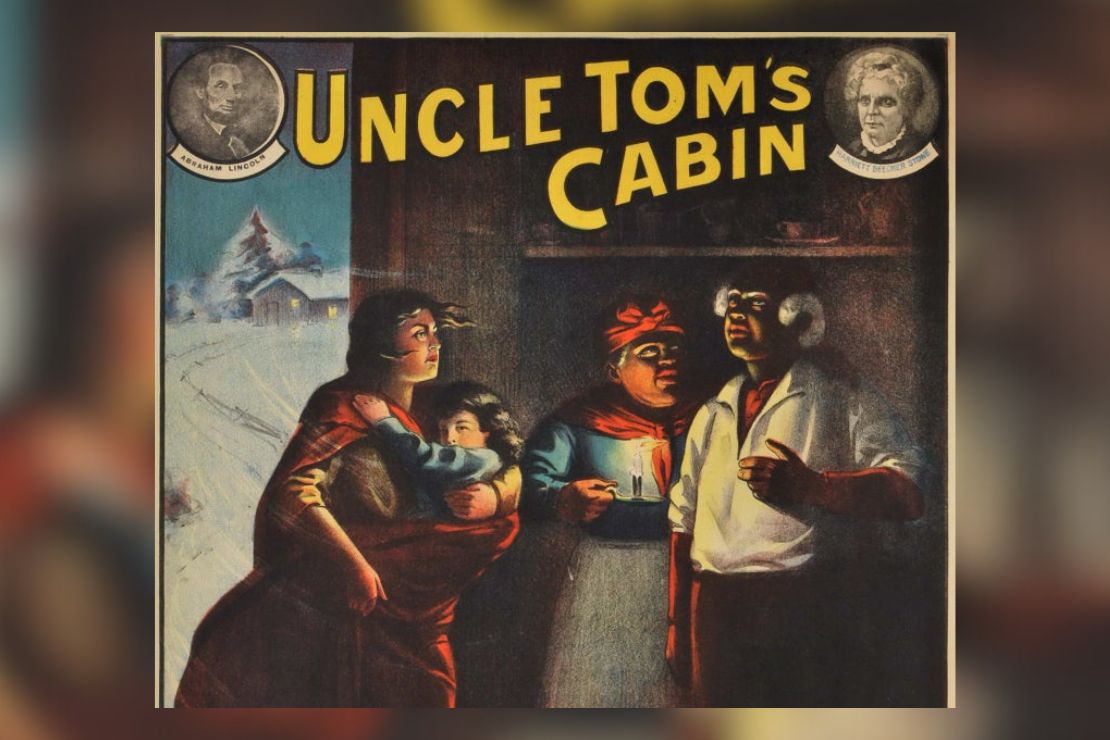
How “Uncle Tom’s Cabin” Helped Shape America’s Most Damaging Stereotypes
The novel “Uncles Tom’s Cabin, by Harriet Beecher Stowe, was based in part on her relationship with a Black man named Rev. Josiah Henson, who founded a fugitive slave settlement in Canada. However, the story gets polluted after that. Black-faced minstrels changed the story to that of a racist stereo type. In addition, Rev. Henson made a lively hood out of making the false claim that he was the original Uncle Tom. Worse yet, Henson went to England and paraded around America as a “good Christian” that loved his master more than he loved himself. Hence, the fictional Uncle Tom was turned into a real person.

I noted the fact that the Uncle Tom in the novel was no “good” man as he was a pure sell out of his own community by being “loyal” to the slave masters that he was associated with. Even after being treated horribly, he was a loyal puppet. So, we still can use the term Uncle Tom today to describe a puppet of white supremacy. If the misconception that the term “Uncle Tom” should not be used today because he was supposedly a “good guy,” we have been suckered once again. Rev. Henson falsely portrayed himself as the “real” Uncle Tom, and Black theater groups formed and put on black-face with white painted lips. Black minstrel groups in the 1850s were the laughing stock of racist whites. Shamefully, after the Civil War, a group of former slaves called the “Georgia Slave Troupe Minstrels” was organized by a racist criminal named W.H. Lee, his actors toured the country acting like stereotypical buffoons.
Black and White minstrels transformed the already sycophant “Tom” in the novel to an even worse Uncle Tom. They created a genre of hatred against Black people; the white minstrels created a more extremist version of the Uncle Tom in the novel, and the Black minstrels exploited the Black community. This was colonialism at its best. Even the circus lord, P.T. Barnum, joined in and used the originator of the Jim Crow dance, “Daddy Rice” to perform in black-face as Uncle Tom. Being like “Uncle Tom” in the novel, or like the Uncle Tom in the black-faced shows can be considered is one of the worst crimes committed against Black people. This stereotypical image of either being loyal to slave owners, or being ignorant jive talking buffoons was a horrible way to characterized an entire people.
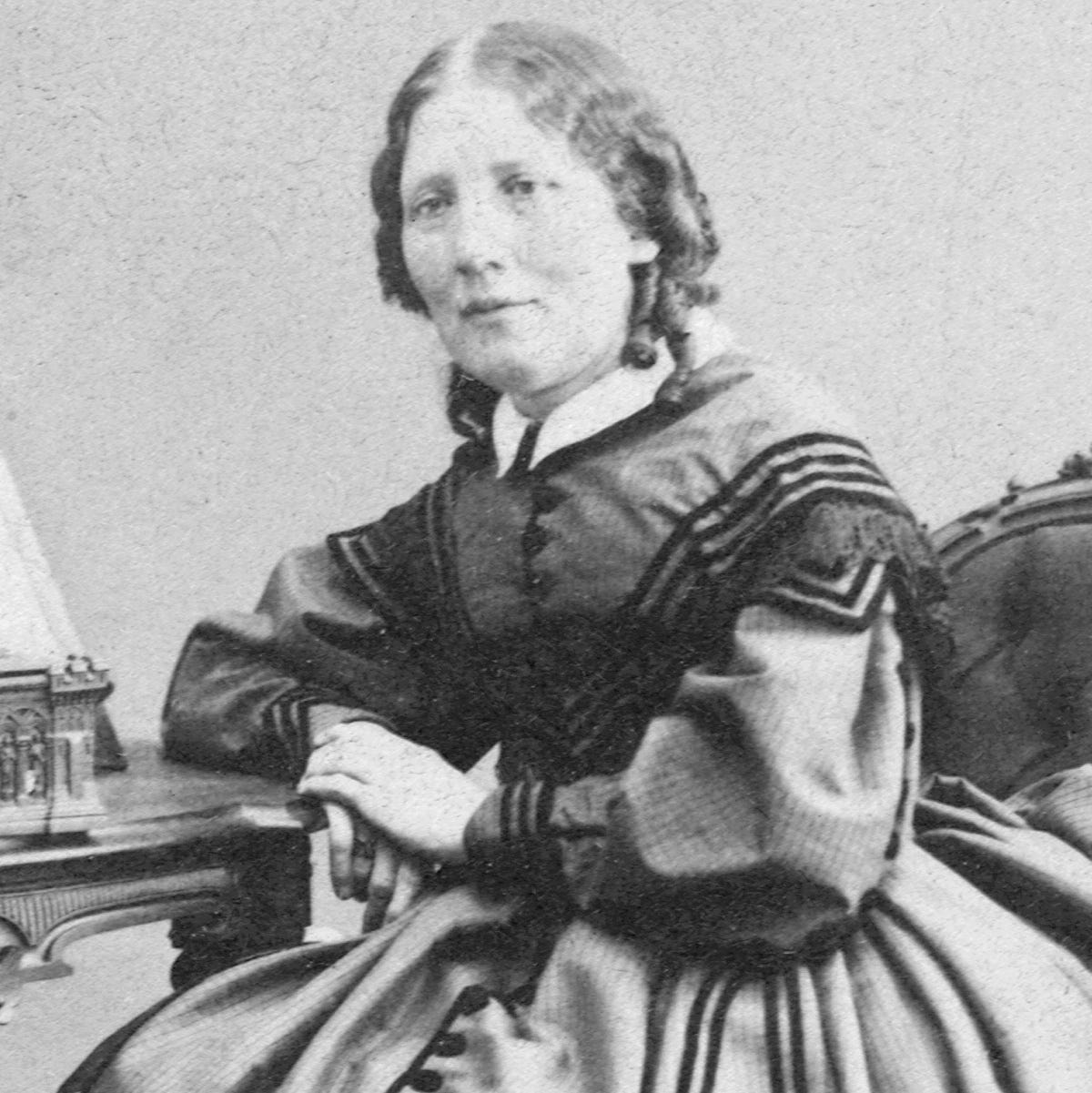
To be sure, Harriet Beecher Stowe’s novel exposed the horrors of slavery, but it as tainted with racism as well. Northern abolitionists, though opposing slavey, did not opposed the white stereotypical views of Black people. The horrors of slavery were converted into a fun and frolic plays by black-faced minstrels. The novel grew from bad to worse in this way. Uncle Tom’s Cabin became “classic American literature,” and influenced the other racist characters of loyalty. This is context of how “Aunt Jemina” pancakes were born.

The owner of the flower company that produced the pancakes saw a racist black-faced Vaudeville show, shows that were racist from day one, and produced a red-scarfed Black woman on his pancake boxes. This was to produce the image that Black women were loyal cooks for whites, despite the fact that Black cooks often poisoned the master’s food. Eventually, a Black woman named Nancy Green from Chicago, was named as the official suck butt for whites. The image of Uncle Tom and Aunt Jemima satisfied the needs of racialized whites who wanted to return to the “good ole’ days” of southern slavery.