





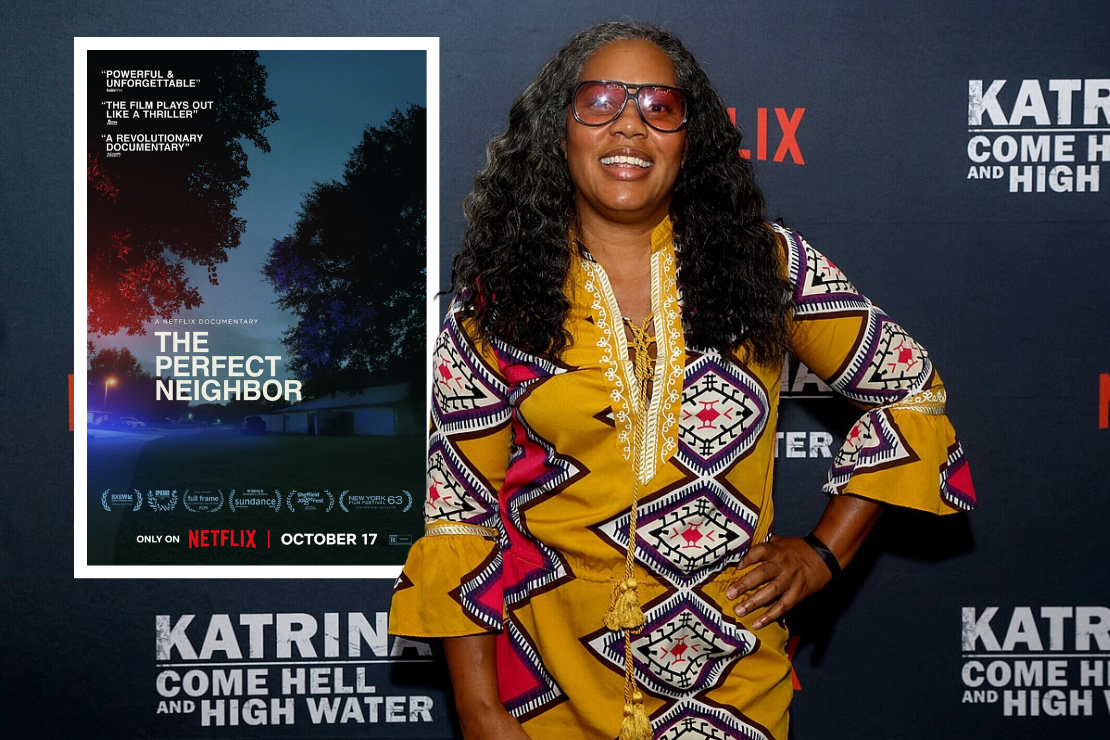
The “Katrina: Come Hell and High Water” Producer on Spike Lee’s Docuseries, “The Perfect Neighbor,” and the Evolution of Black Storytelling
Alisa Payne, award-winning producer of Katrina: Come Hell and High Water, was living in Brooklyn when Hurricane Katrina hit in 2005. But for her, the storm was personal her sister, a Tulane law student, barely escaped the flood zone thanks to a timely warning from an Entergy executive.
“The people in Orleans Parish didn’t get the evacuation notice until 36 hours before,” Payne recalled. “It’s impossible when there’s one way in and one way out of the city to get everyone out. It takes days, if not over a week, to evacuate an entire city.”
Two decades later, Payne joined Spike Lee’s team to revisit that disaster in Netflix’s new docuseries. Through her company Message Pictures, which she co-founded with Geeta Gandbhir and Sam Pollard, Payne helped reshape the Katrina story using today’s language of systemic racism and institutional neglect.
From Survival to Systemic Accountability
Come Hell and High Water revisits familiar voices from Lee’s earlier works When the Levees Broke and If God Is Willing and da Creek Don’t Rise but this time, Payne says, it’s not a sequel. “It’s a contemporized version for the next generation,” she explained. “People thought they knew the story. Now we can call it what it is: systemic racism.”
Phyllis Montana-Leblanc, one of the documentary’s central figures, told Payne this project helped her heal after two decades. Payne credits that transformation to finally “calling a spade a spade.”
“You could be the one-eyed, deaf, blind pirate and still see that this sh*t was racial,” Payne said. “Being able to tell her story and be affirmed by it made a difference.”
The Evolution of Black Storytelling
Payne’s producing career spans more than 25 years, with projects like Stamped from the Beginning (Netflix) and Between the World and Me (HBO) shaping her as a storyteller committed to intellectual clarity and social context.
“The thesis of Stamped from the Beginning is simple,” she said. “Whenever there is Black progress, there is backlash.” For Payne, distilling vast histories from 1452 to 2023 into digestible, emotional narratives requires finding the universal in the local.
‘The Perfect Neighbor’ and the Politics of Fear
Payne’s next documentary, The Perfect Neighbor, examines the murder of Ajike “AJ” Owens in Florida, weaving a narrative built almost entirely from police bodycam footage obtained through FOIA requests.
“It was hell to edit,” Payne admitted. “Police body cam audio is chaos overlapping walkie-talkies, unclear visuals but it’s also a surveillance tool against Black and Brown communities. We wanted to flip that on its head.”
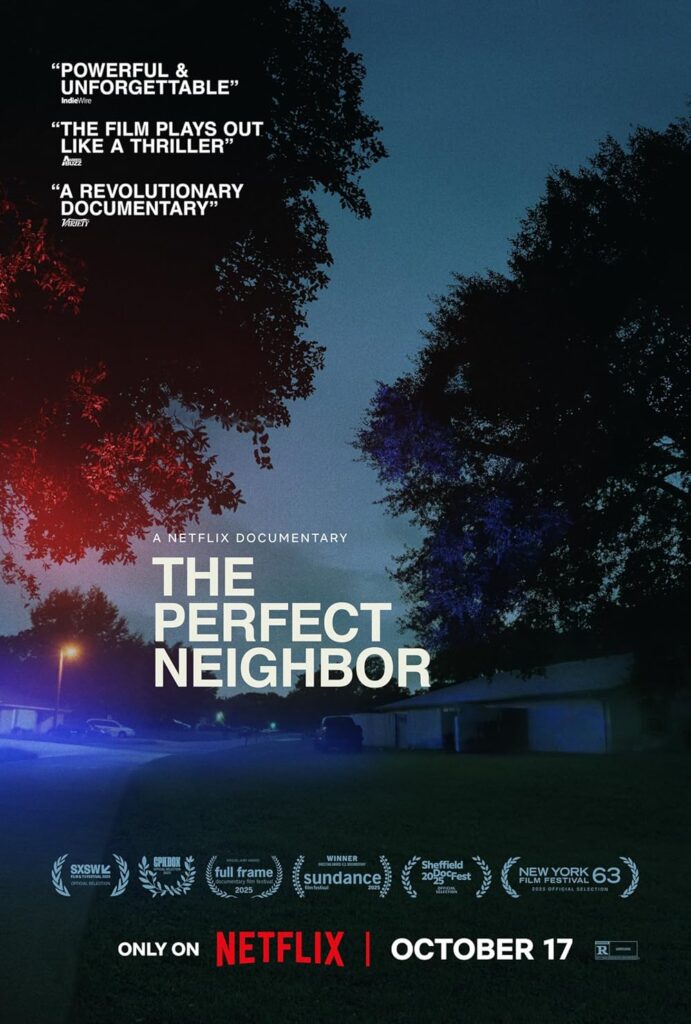
For her, the project isn’t just about one tragedy. It’s about community, policy, and the cultural cost of fear. “Everyone has neighbors. Everyone lives in a community. You can be an upstander, not a bystander,” she said.
Roots of Resistance
Payne often credits Roots as her early education in storytelling and resistance. “To see cruelty, but also joy and resilience that shaped everything I do,” she said.
That same ethos fueled her during the pandemic production of Between the World and Me, which she produced in just sixteen weeks under lockdown. “We were filming in hazmat suits, pre-vaccine,” she said. “Sometimes you put your body on the line because others did it before. We wanted it to affect the election. It was absolutely necessary.”