





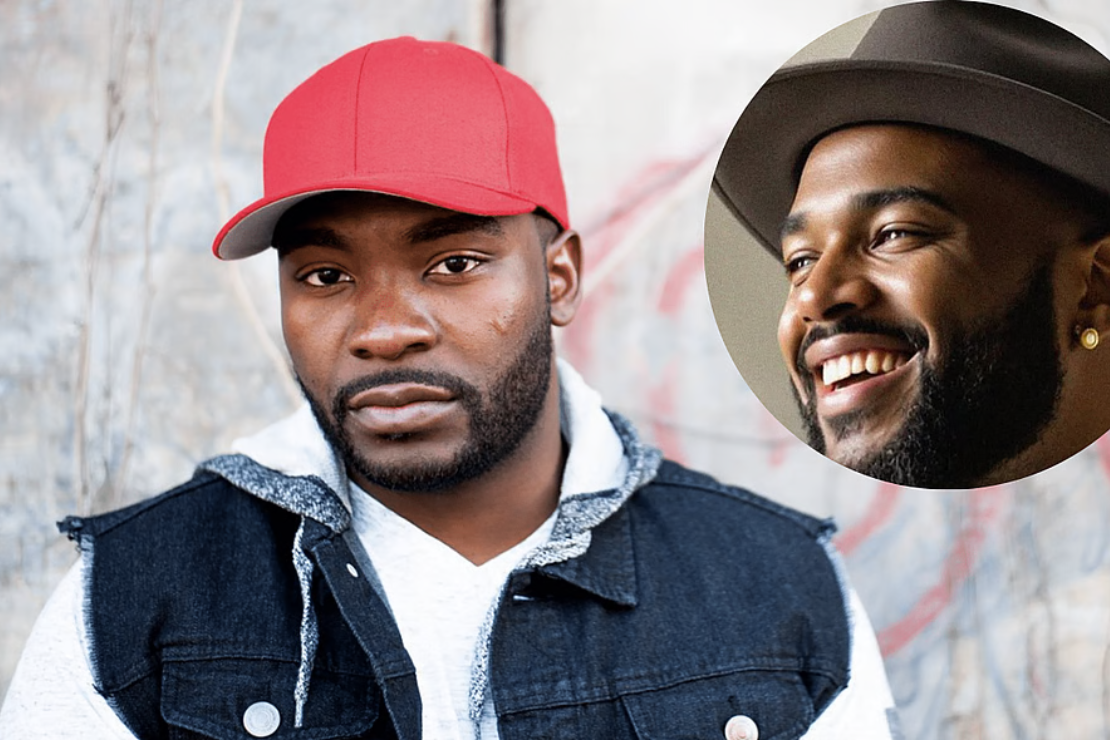
Solomon Ray’s No. 1 Hits Ignite Faith, Frustration, and a Fight Over the Future of AI in Music
The Christian music world is wrestling with a very modern dilemma: what happens when the most popular praise song in the country wasn’t sung by a human at all? Solomon Ray, an AI-generated gospel act built by Mississippi creator Christopher Jermaine Townsend, currently holds the top two spots on the iTunes Christian Music chart along with the No. 1 Christian album.
Ray’s rise marks a first. No AI artist has ever landed both the top album and top song on any iTunes chart. On Billboard’s Gospel Digital Sales chart, Ray sits at No. 1 and No. 5, fueling questions about whether AI-generated gospel music is the next wave or a spiritual line too far.
Pushback came quickly. Christian artist Forrest Frank said the issue isn’t just technology, it’s theology.
“At minimum, AI does not have the Holy Spirit inside of it,” Frank said in a video shared to Instagram. “So I think that’s really weird to be opening up your spirit to something that has no spirit.”
Many fans echoed the concern, vowing to stop streaming AI-made worship music altogether.
Townsend, who records independently under the name Topher, publicly responded on Instagram, calling Frank’s comments “gatekeeping” and arguing that the emotional response to a song—not its creator—determines authenticity.
“It’s really more of a preference,” Townsend said. “You cannot tell somebody’s feelings and impact from music if it’s authentic or fake. Who am I to say what God will or won’t use to get the message His people need?”
Townsend, a conservative rapper with a large TikTok following, previously made headlines after challenging federal efforts to ban the platform in 2024.
Solomon Ray isn’t alone at the top. Mississippi is also home to Xania Monet, an R&B-leaning AI gospel act created by Telisha “Nikki” Jones. Monet just reached No. 3 on the Hot Gospel Songs chart with “Let Go, Let God,” and she’s facing her own round of criticism from major artists including Victoria Monét, Kehlani, and SZA.
Jones defended her work in an interview with Gayle King, saying AI is simply part of the new reality of music production.
“I just feel like AI… it’s the new era that we’re in,” Jones said. “I look at it as a tool, as an instrument, and utilize it.”
With AI climbing gospel charts faster than nearly any other genre, the tension is clear: fans and artists alike are grappling with what it means for faith-rooted music to be created by software. Whether this moment becomes a novelty or the start of a larger shift, the debate over AI’s place in sacred spaces is only beginning.