





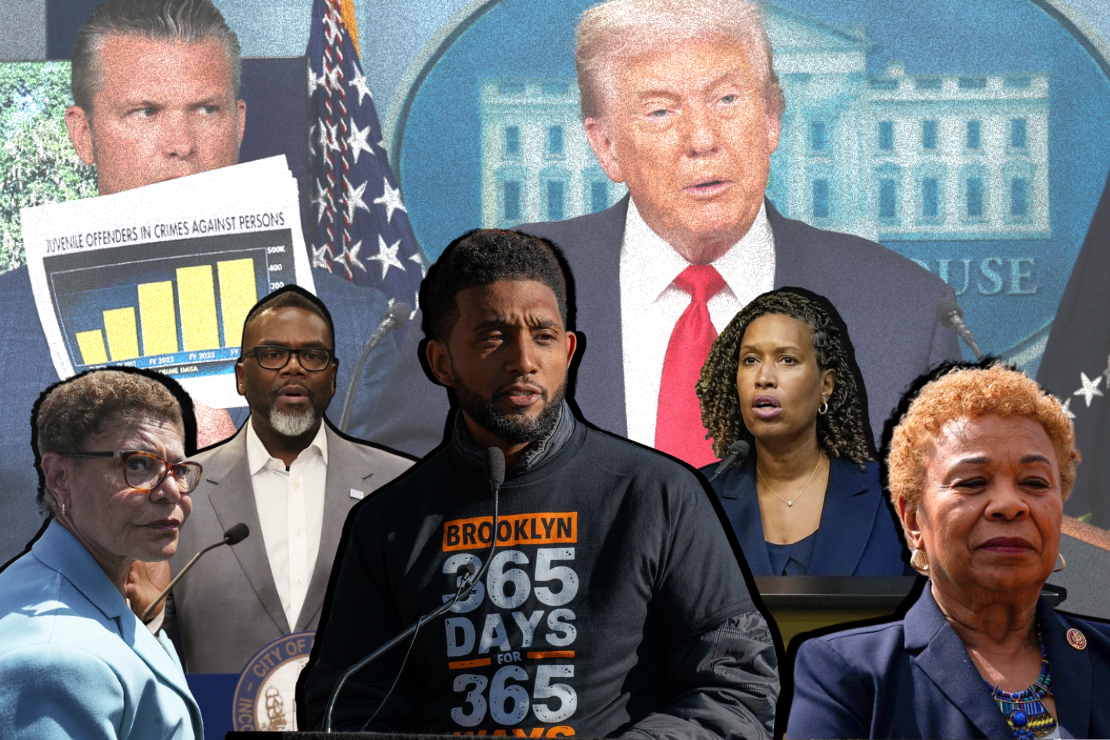
Mayors Of Cities Trump Decries As ‘Lawless’ Tout Significant Declines In Violent Crimes
President Donald Trump escalated his attacks on Democratic-led cities this week, describing Washington, D.C., as a “crime-ridden wasteland” and threatening similar federal interventions in Baltimore, Chicago, Los Angeles, and Oakland. His move to deploy 800 National Guard members into the capital marked the first time in decades that the federal government has assumed such direct control over a major city’s policing.
But statistics from local police departments undercut the president’s claims. Violent crime has fallen steadily since its pandemic-era highs in 2020–2022, with some cities posting historic declines.
Savannah Mayor Van Johnson, who also leads the African American Mayors Association, called out Trump’s narrative for what it is: political fearmongering.
“It’s not supported by any evidence or statistics whatsoever,” Johnson said. “What it does is diminish the real work being done to save lives.”
Crime Data Tells a Different Story
The picture emerging across America’s biggest cities runs counter to Trump’s rhetoric:
- Washington, D.C.: After peaking in 2023, violent crime is down significantly in 2024–25.
- Chicago: Mayor Brandon Johnson reported a more than 30% drop in homicides and nearly 40% decline in shootings in just one year.
- Los Angeles: Under Mayor Karen Bass, homicides fell 14% between 2023 and 2024.
- Baltimore: Officials report 20% fewer carjackings in 2023 and historic reductions in homicides since 2022.
- Oakland: According to the Major Cities Chiefs Association, homicides are down 21% and overall violent crime has dropped 29% in the first half of 2025 compared to the same period in 2024.
These numbers, Black mayors argue, reflect the success of locally tailored policies, not federal militarization.
Community Investments Driving Change
The biggest factor in the turnaround, mayors say, has been a shift from punitive policing to public health strategies.
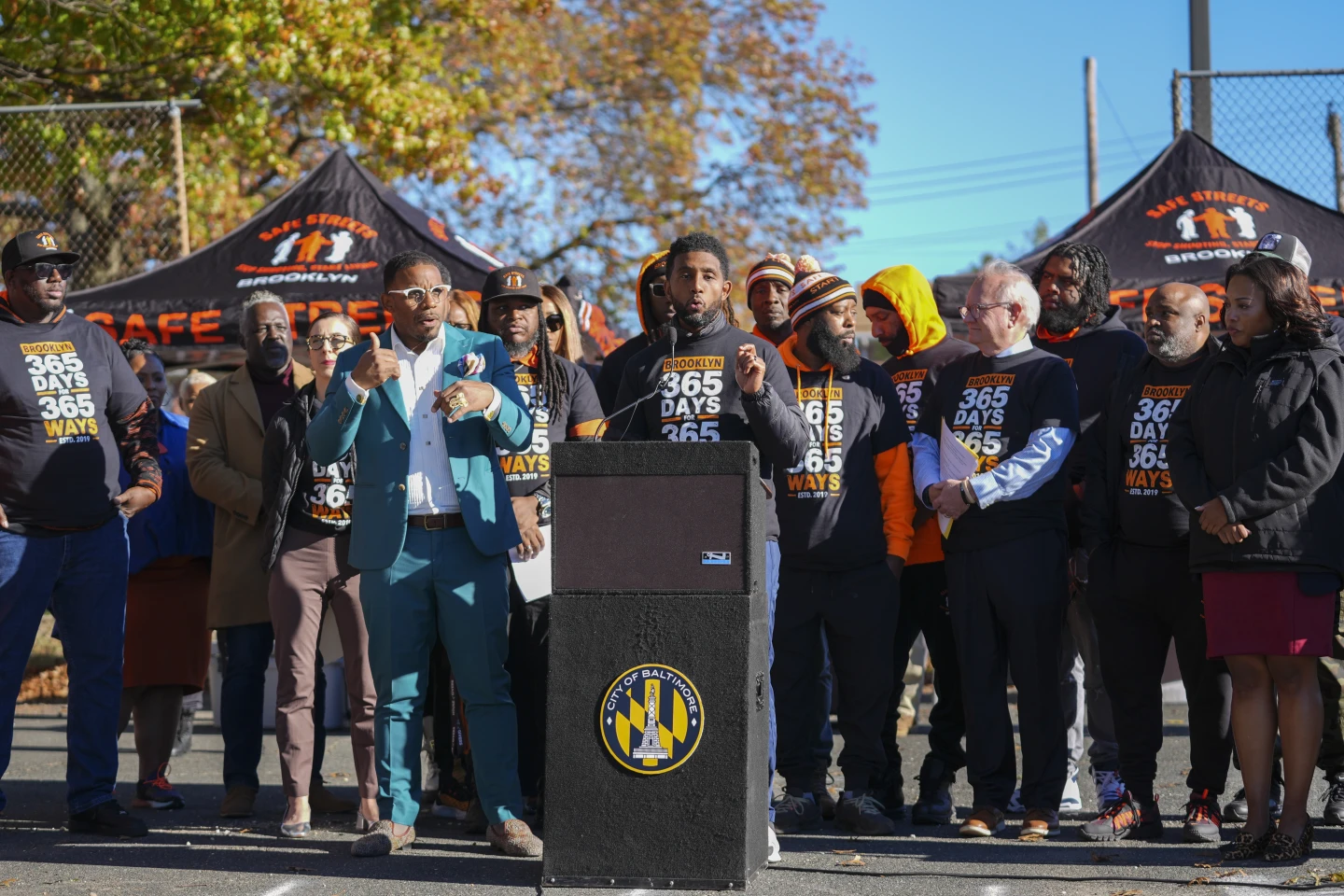
- Baltimore’s Comprehensive Violence Prevention Plan (2021): Mayor Brandon Scott prioritized community violence intervention programs, support for victims, and neighborhood investment instead of relying solely on police crackdowns.
- Oakland’s Department of Violence Prevention (est. 2017): By embedding crisis response teams and funding grassroots groups like Urban Peace Movement, Oakland focused on preventing retaliation shootings and supporting at-risk youth.
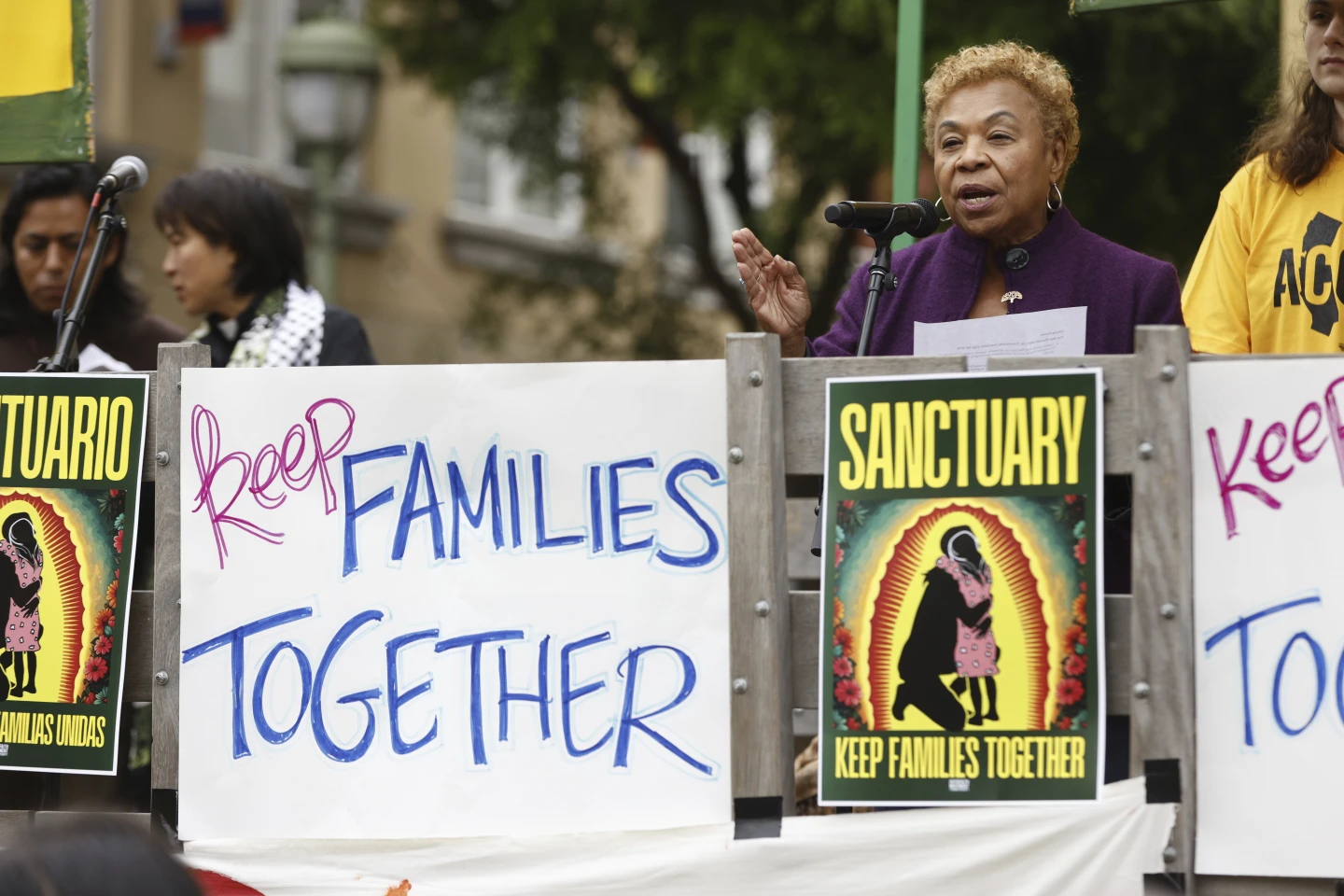
- Chicago’s Gun Buybacks & Youth Engagement: Community partnerships have given young people alternatives to the street economy.
- Los Angeles Community-Police Partnerships: Mayor Bass has highlighted how investment in reentry programs and victim services is reducing repeat cycles of crime.
Nicole Lee of Oakland’s Urban Peace Movement emphasized the role of community groups:
“We really want to acknowledge all of the hard work that our network of community partners and community organizations have been doing,” Lee said. “The things we are doing are working.”
The Politics of ‘Law and Order’
Trump’s targeting of Black-led cities is raising alarms among mayors who see his rhetoric as racially coded. Savannah’s Johnson put it plainly:
“It was not lost on any member of our organization that the mayors either were Black or perceived to be Democrats.”
Historians note that Trump’s strategy echoes the “law and order” politics of Richard Nixon and Ronald Reagan, who used urban unrest and crime waves to appeal to suburban and white working-class voters. The difference today: crime is not rising — it’s falling.
Trump has also faced accusations of hypocrisy. His Justice Department cut over $1 million in federal grants for Baltimore’s violence-prevention programs this year, undermining the very work that helped bring down homicide rates.
Militarization vs. Partnership
Federal officials insist the Guard’s deployment in Washington is temporary and focused on “safety patrols” and “beautification efforts.” But the sight of soldiers patrolling the National Mall, alongside armed agents from multiple agencies, has sparked fears of creeping militarization.
Community leaders worry that Trump’s interventions could bring youth curfews and aggressive sweeps that criminalize young people of color.
“If you’re a young person, basically you can be cited, criminalized, simply for being outside after certain hours,” Nicole Lee said. “That not only fails to solve violence but puts young people in the crosshairs of the criminal justice system.”
Instead, mayors say, federal resources should target multistate challenges like gun trafficking, cybercrime, and interstate drug networks — areas where cities alone lack the capacity to respond.
Black Mayors Stand Together
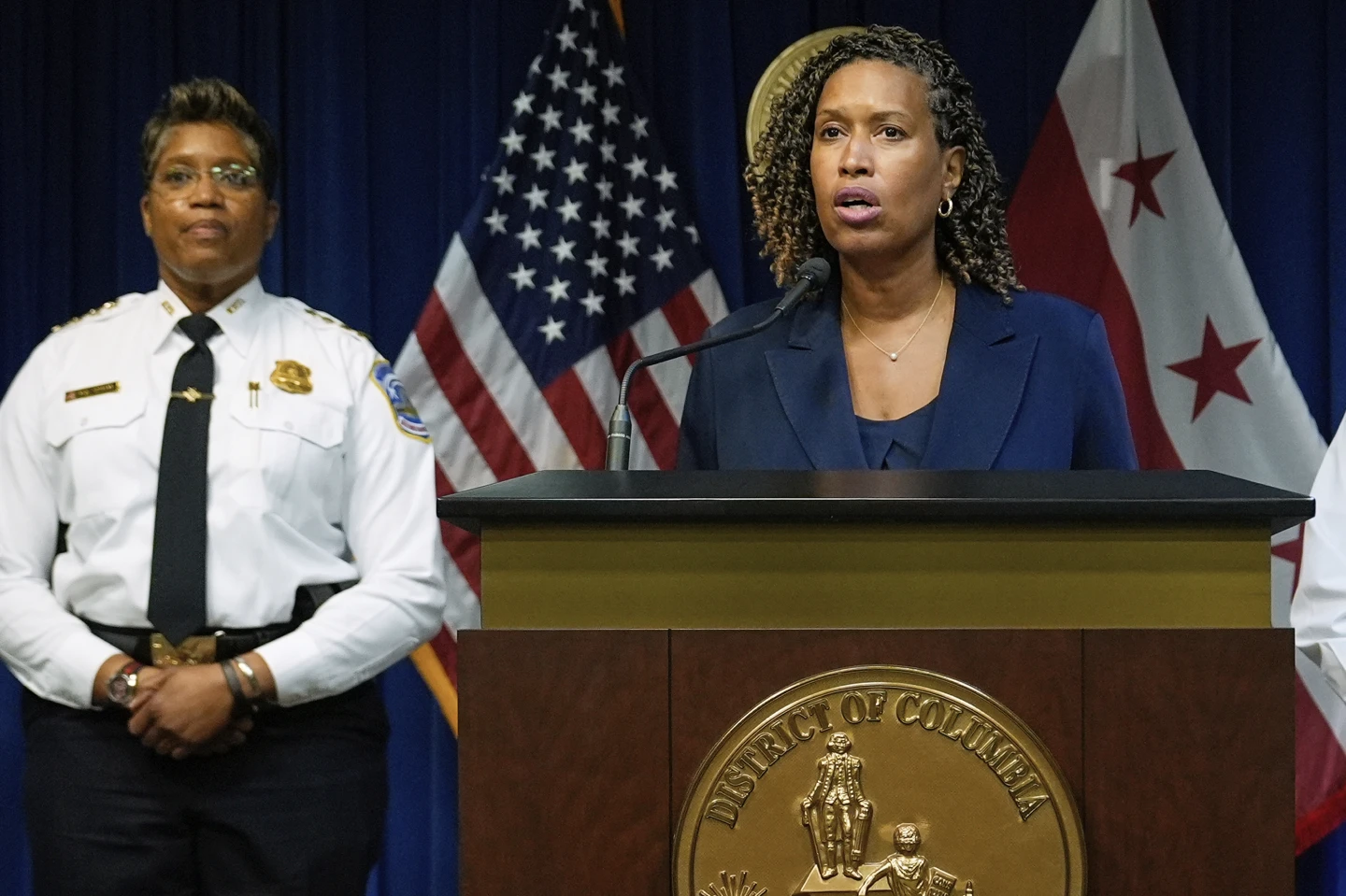
For now, all eyes are on Washington’s Mayor Muriel Bowser, who is simultaneously cooperating with federal authorities and suing to block Trump’s unprecedented takeover. Her fellow mayors praise her balancing act.
Van Johnson sees a larger lesson in the moment:
“Black mayors are resilient. We are intrinsically children of struggle. We learn to adapt quickly, and I believe that we will and we are.”
By spotlighting their cities’ successes, these leaders hope to challenge a narrative that has long cast urban America — especially Black-led cities — as places of disorder. The data, they argue, proves otherwise.